




19th Century Bed Canopy
A 19th century bed canopy frames a sleeping space with the presence of mahogany, brass and carved oak.
19th Century Bed Canopy
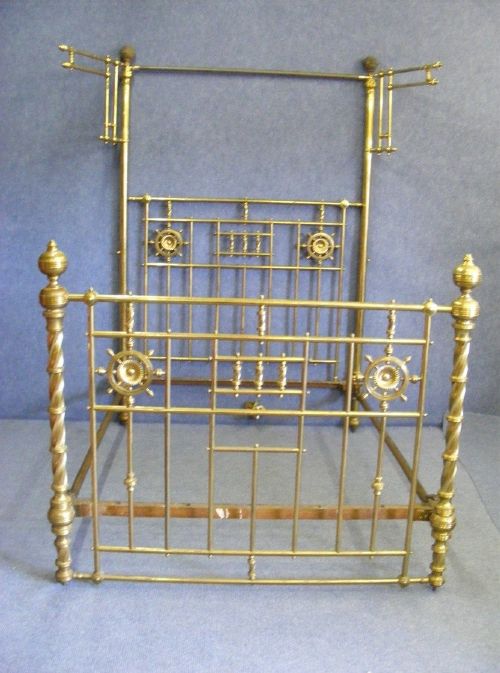
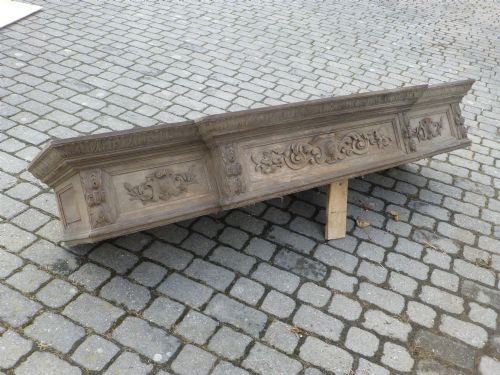
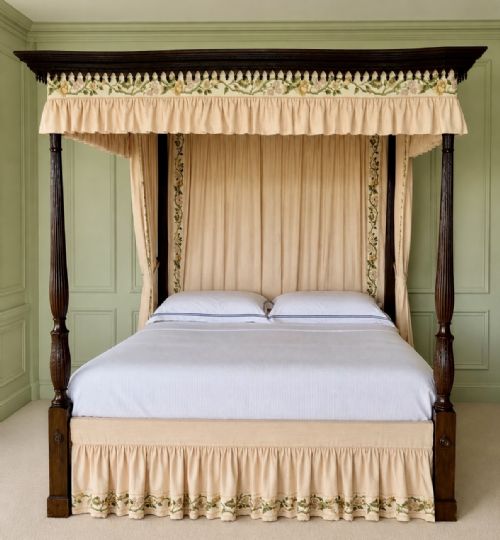
When you search for a 19th century bed canopy, you encounter large architectural tester structures, half tester bedsteads, and complete four poster beds. These pieces emerge primarily from the Victorian and Regency periods, alongside examples originating from Chinese workshops and French chateaux.
The form ranges from substantial domestic sleeping quarters to specialised items such as dog four poster beds and painted pine cradle canopies. Most pieces present as either protruding framework attached to a wall or freestanding timber and metal frameworks designed to drape with fabric.
Judging quality and execution
Quality separates through the integrity of the timber selection and the precision of the joinery. Dense hardwoods and well-figured mahogany signify superior framing, whereas lesser examples display simpler pine construction or heavy repainting.
The refinement of carved ornament and the purity of the brass or cast iron components dictate the tier of the piece. Crisp architectural mouldings and original metal castings distinguish high workshop output from plain utility furniture.
19th Century Bed Canopy Retail Price Guide 2026
Typical asking prices for 19th century bed canopy among the pieces listed under this phrase on Sellingantiques today, from the lower quarter to the upper quarter. They describe what is for sale here now, not the wider market.
Materials span from brass and cast iron to mahogany, pine, oak, and fabric.
R W Winfield
The 19th Century Bed Canopy Glossary
- Half tester
- A wall-mounted or bed-attached canopy that covers only the head portion of the bed rather than the entire length. This configuration became popular in Victorian bedrooms to support drapery over the pillows.
- Tester
- The flat wooden or fabric-lined canopy supported by the posts of a four poster bed. It historically protected the sleeper from drafts and falling debris.
- Marriage bed
- A ceremonial bed type associated with Chinese traditions, often featuring elaborate lacquerwork and carved panels. These structures served as central pieces of family furniture.
- Four poster bed
- A bed with four vertical columns supporting a tester canopy overhead. These frames utilise timbers such as mahogany or oak to sustain the heavy overhead structure.
19th Century Bed Canopy: Frequently Asked Questions
How do I style a 19th century bed canopy?
These large architectural frames suit spacious bedrooms with high ceilings where the vertical timber or metal posts can anchor the room. Selecting appropriate fabrics for the drapery helps integrate the structure with modern interiors.
Positioning the bed away from tight corners allows the carved details and proportions of the canopy to remain visible from all angles.
What materials are common in these bed canopies?
The listings show a strong reliance on timbers like mahogany, oak, pine, and hardwood, frequently paired with brass and cast iron. Fabric integration is also standard across the selection.
Metal components appear predominantly in Victorian half tester designs, while rich timbers define the four poster and regional variations.
Can I find smaller canopy beds?
While many examples are king size, super king, or emperor proportions, smaller formats exist within the selection. Painted pine canopy top cradles and dog four poster beds offer compact alternatives.
Double size half tester bedsteads also provide a middle ground for rooms that cannot accommodate a full four poster structure.
How do I identify a Victorian half tester?
A Victorian half tester combines a metal or wooden framework projecting from the wall or headboard to suspend fabric over the upper half of the mattress. Brass and cast iron are frequent materials for these frames.
Burr walnut and mahogany versions also appear, showing the decorative preferences of the Victorian era.