

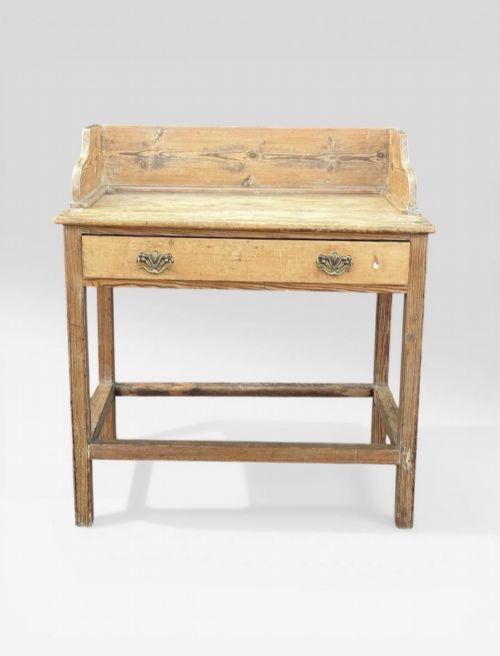
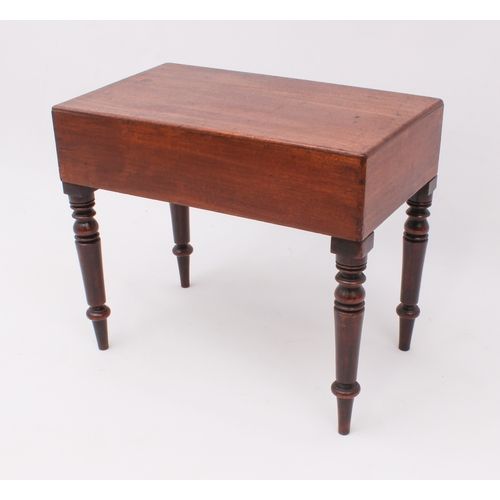


19th Century Basin Stand
A 19th century basin stand provides the traditional bedroom or bathroom furniture solution you need to anchor a period interior.
19th Century Basin Stand
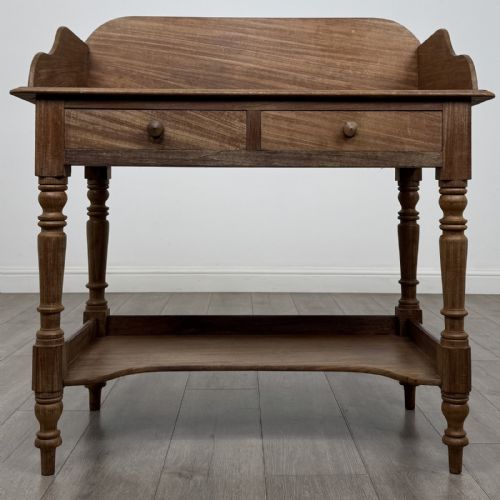
A 19th century basin stand is a practical item designed to hold washing equipment, water jugs, and bowls in bedrooms before plumbed bathrooms became standard. These pieces span the Georgian, Regency, and Victorian periods, reflecting shifting domestic habits through the centuries.
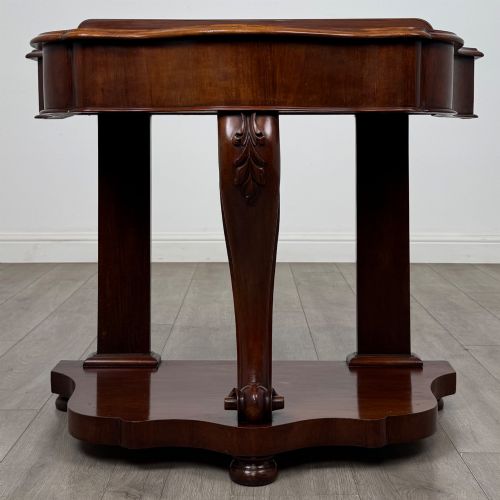
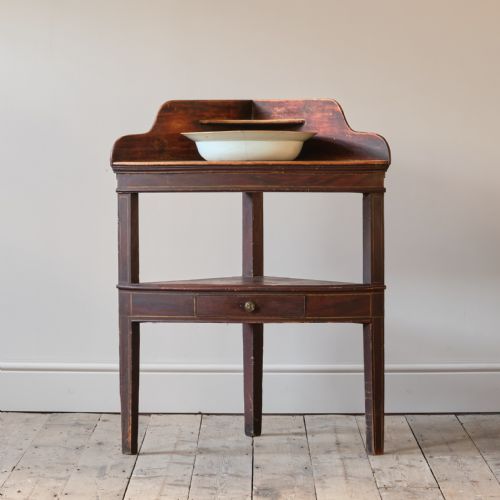
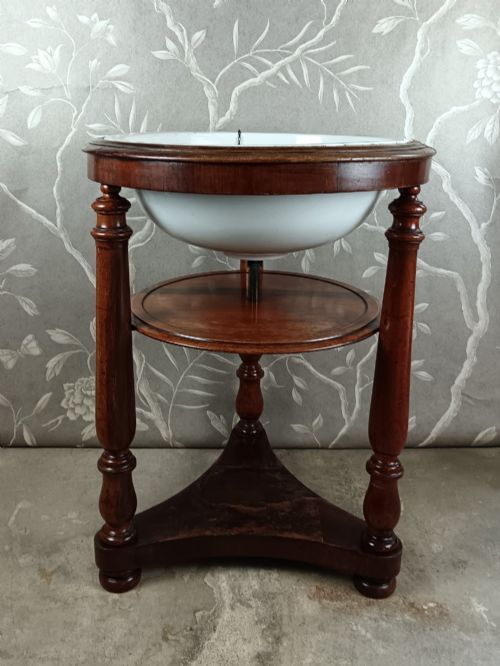
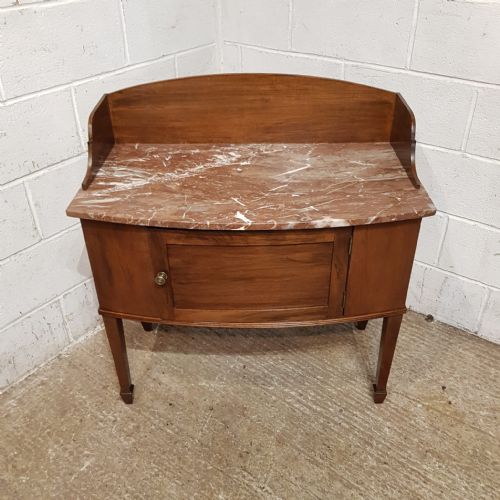
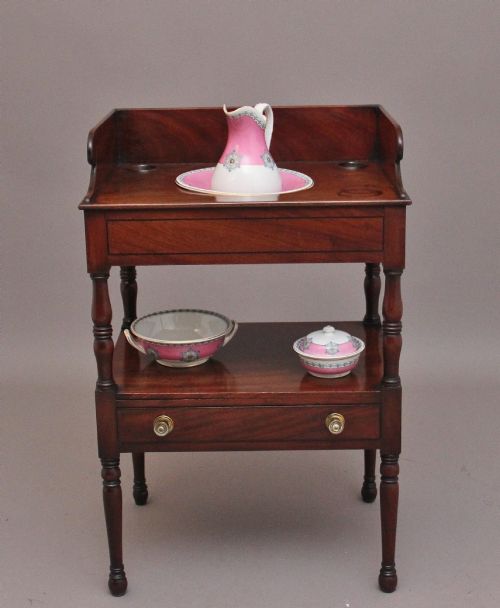
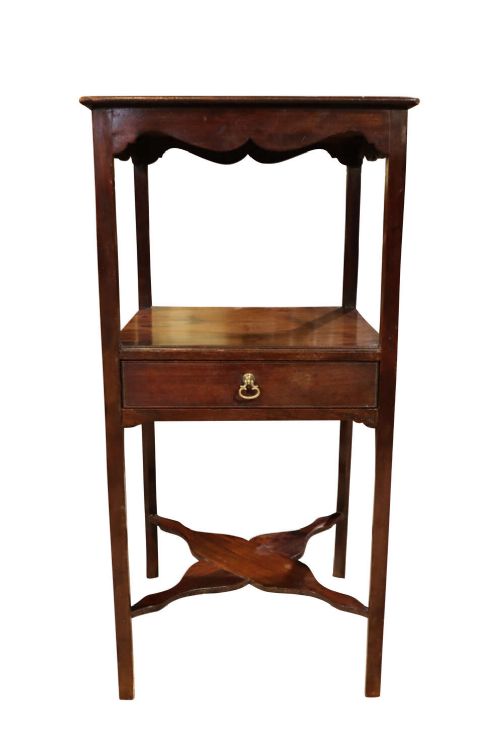
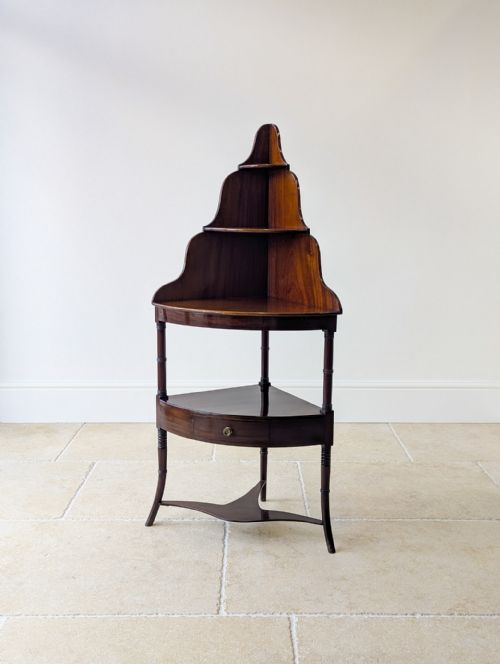
On this page, you are most likely to meet mahogany examples in standard or corner formats, alongside painted pine country pieces. Formats range from bow-fronted designs with marble tops to campaign washstands, tiered corner stands, and occasional ship stands.
Beyond standard washstands, the selection includes related items such as bidets, copper bowls on stands, and occasional plant tables. These variations show how adaptable the basic basin stand frame proved once its original washing purpose lapsed.
How they were made
Makers relied heavily on mahogany and pine as primary woods, often finishing pine pieces in original paint or stained timber. Mahogany examples frequently show fine joinery suited to more formal domestic spaces.
Incorporate hardware elements include brass fittings and ceramic or marble inserts designed to withstand daily splashing and heavy use. Some pieces integrate bronze elements or copper bowls to create durable washing surfaces.
19th Century Basin Stand Retail Price Guide 2026
Typical asking prices for 19th century basin stand among the pieces listed under this phrase on Sellingantiques today, from the lower quarter to the upper quarter. They describe what is for sale here now, not the wider market.
Listings feature mahogany, pine, marble, and ceramic across Georgian, Regency, and Victorian periods.
What varies in quality
Quality shows in the selection of timbers and the integrity of structural joints, separating utilitarian pine pieces from refined mahogany furniture. The presence of original marble tops or integrated brass fittings elevates the finish.
The degree of decorative carving, turned legs, and original painted surfaces distinguishes standard regional furniture from higher-status pieces made for affluent households.
The 19th Century Basin Stand Glossary
- Washstand
- A piece of furniture designed to hold a basin and jug for washing before indoor plumbing. They often feature tiered shelves or cut-outs in the top surface.
- Campaign
- Furniture built to be easily dismantled and transported for travel or military service. These pieces typically include folding frames and brass corners.
- Corner Stand
- A washstand or occasional table shaped with a right-angled back to fit neatly into room corners. They make efficient use of smaller spaces.
- Marble top
- A stone slab fitted to the upper surface of a washstand to provide a water-resistant working area. It protects the underlying wood from moisture.
- Bidet
- A low basin-like piece of furniture used for personal hygiene in 19th-century bedrooms. They are frequently enclosed in wooden frames resembling small tables.
19th Century Basin Stand: Frequently Asked Questions
What is a 19th century basin stand?
A 19th century basin stand is a dedicated piece of bedroom furniture built to support washing bowls and water pitchers before the widespread adoption of indoor plumbing.
These stands range from simple pine tables to refined mahogany cabinets with marble tops and specialised cut-outs for ceramic basins.
How were basin stands used?
They served as the morning washing station in bedrooms, holding a basin, ewer, soap dishes, and water jugs for daily grooming.
Lower tiers often accommodated chamber pots, towels, or spare water storage jars out of sight.
Where do I put a basin stand?
These versatile pieces suit modern bathrooms as towel holders or vanity supports, and hallways as plant stands or occasional tables.
Corner stands fit snugly into unused room angles, while marble-topped variants handle damp environments with ease.
How do I date a basin stand?
Dating relies on observing timber choices, construction techniques, and stylistic markers such as Regency curves or Victorian proportions.
Georgian and Regency pieces often feature lighter framing and simpler geometry, whereas later Victorian examples lean towards heavier timber and marble surfaces.