

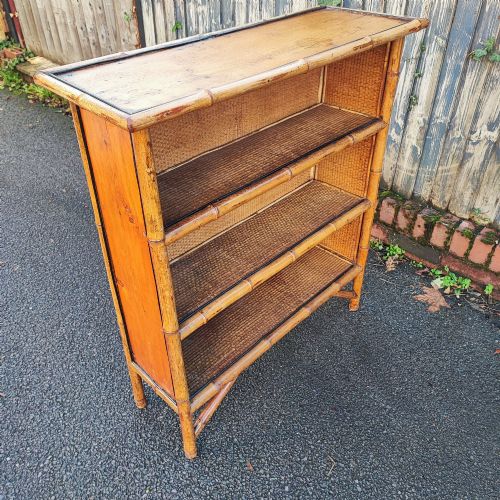
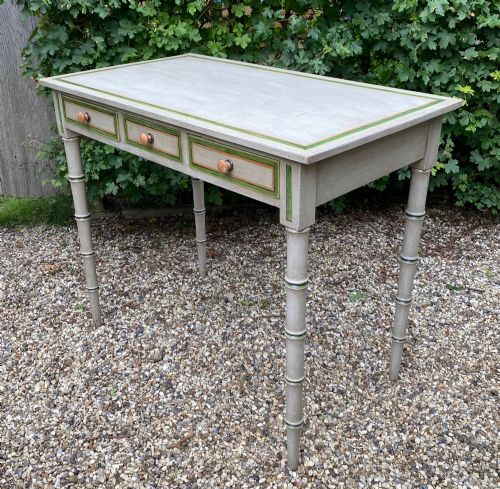
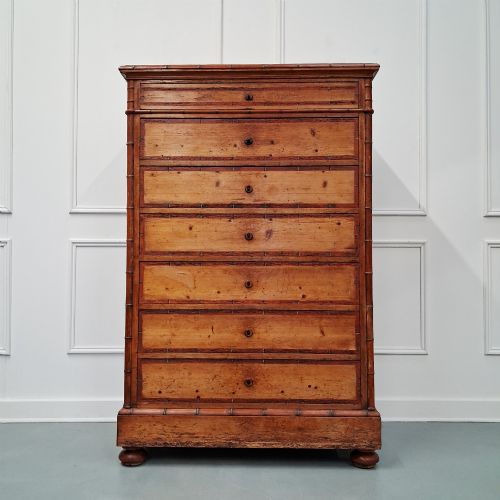

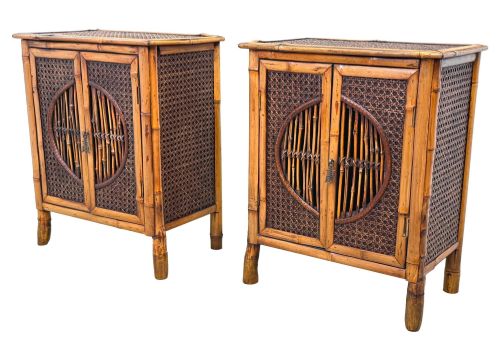
19th Century Bamboo Furniture
These 19th century bamboo furniture pieces bring exotic texture and lightweight versatility to interiors through natural canes and clever simulated designs.
19th Century Bamboo Furniture
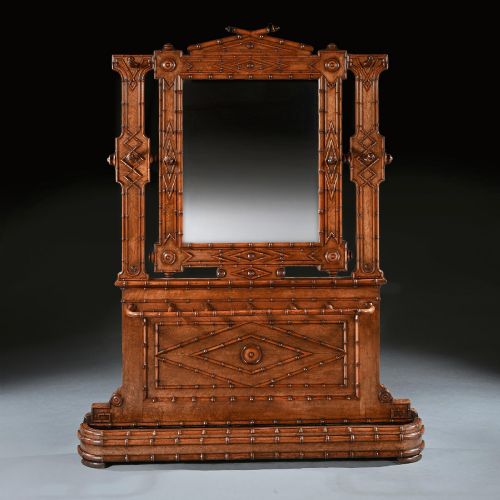
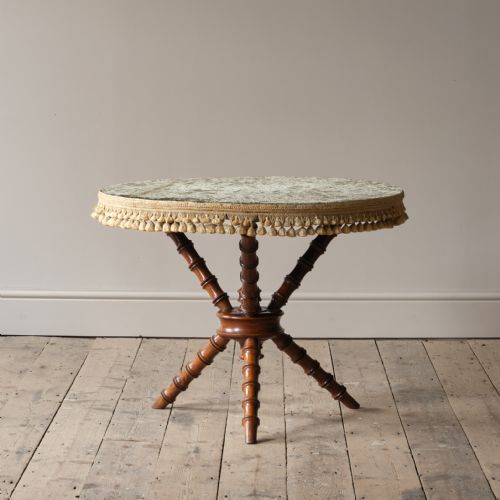
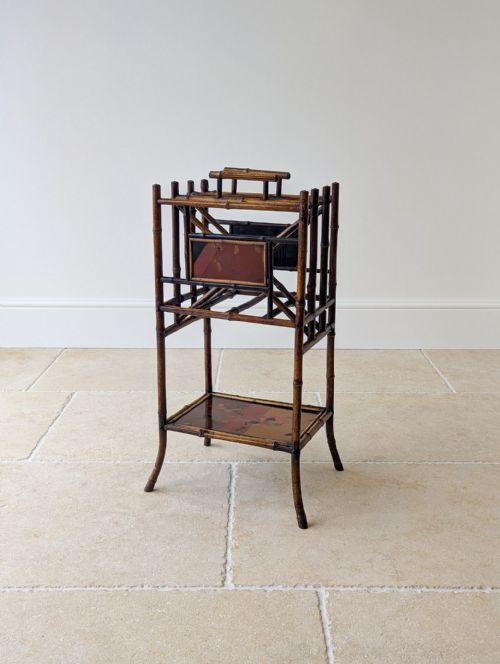
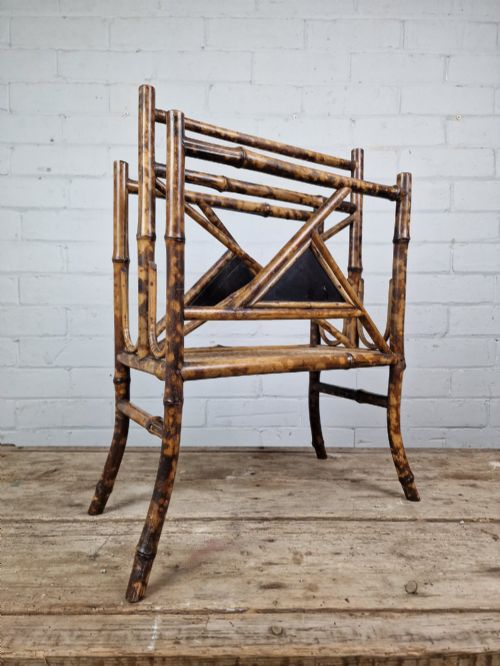
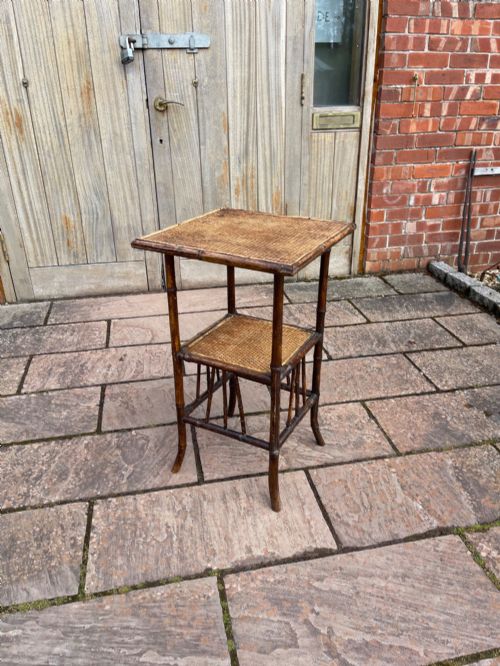
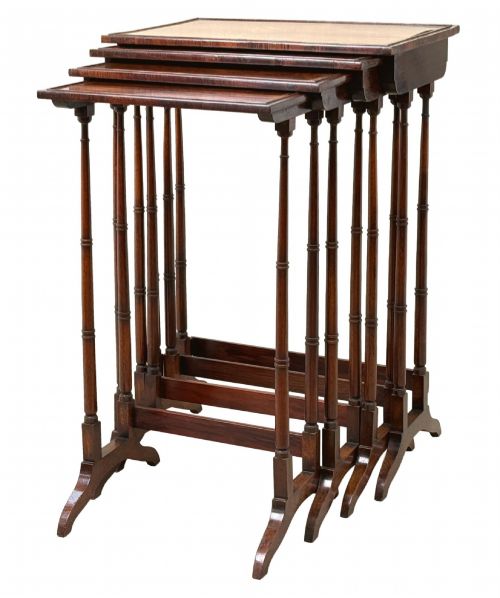
When searching for 19th century bamboo furniture, buyers encounter a diverse range of domestic items spanning side tables, canterburys, étagères, and cabinets. These pieces reflect a fascination with Eastern aesthetics and practical, lightweight household furnishings.
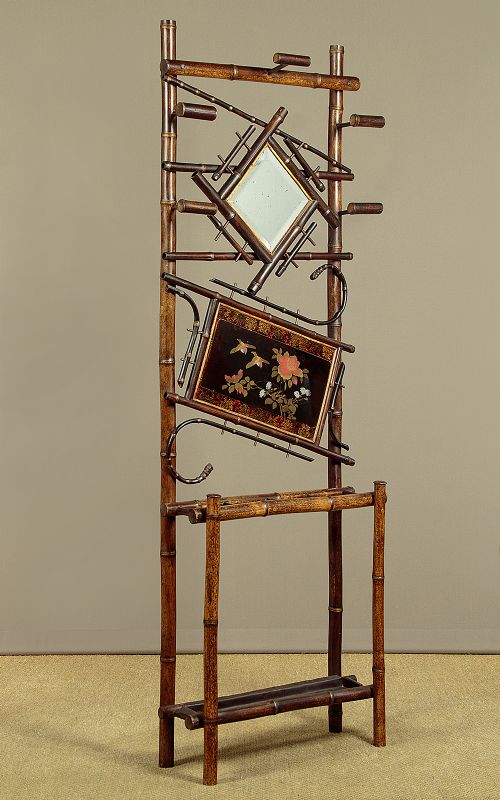
The most common examples on this page are Victorian and late nineteenth-century items utilising natural bamboo or painted wood to imitate cane stalks. Tables, magazine racks, and hall stands dominate the selection, often incorporating lacquer panels or tile tops.
How They Were Made
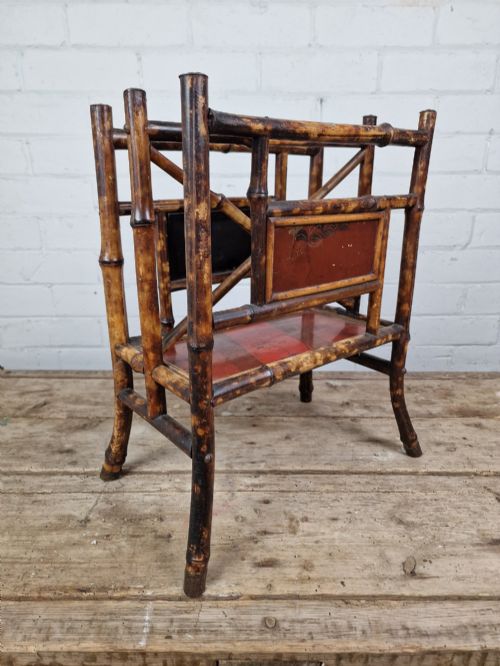
Natural bamboo sections were joined using specialised internal dowels and wrapped bindings, creating sturdy yet light frames for occasional tables and étagères. Artisans frequently paired the hollow stems with cane panels, glass, and brass hardware.
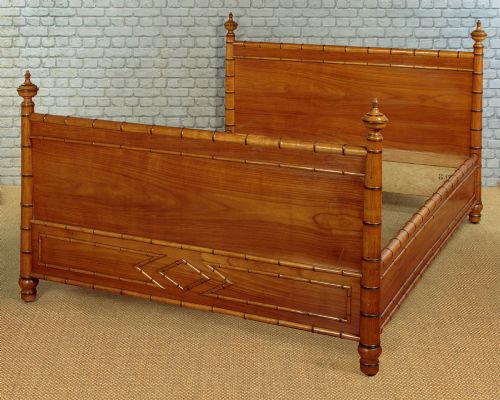
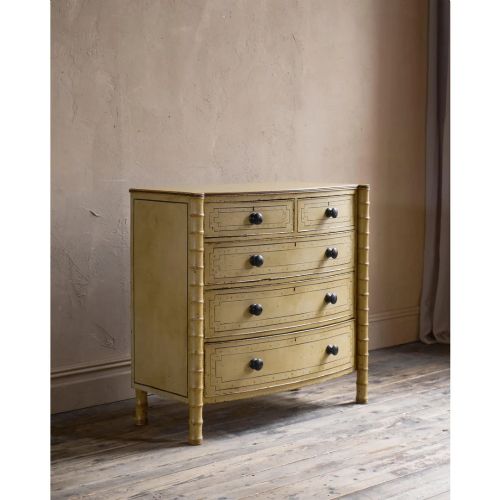
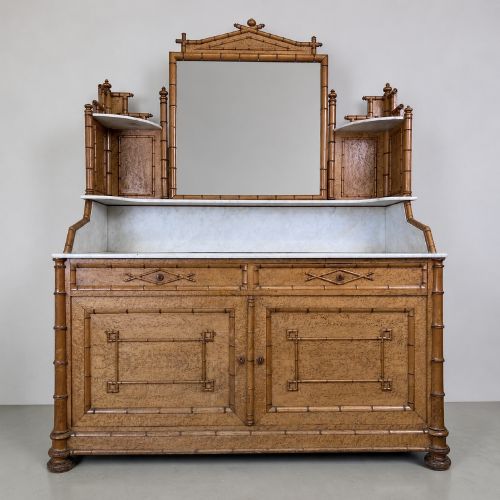
For simulated pieces, craftsmen turned pine, maple, or other hardwoods on a lathe to mimic the knurled joints of real cane before painting or lacquering the surface. This technique allowed workshops to produce durable chests of drawers and bed frames with an exotic finish.
19th Century Bamboo Furniture Retail Price Guide 2026
Typical asking prices for 19th century bamboo furniture among the pieces listed under this phrase on Sellingantiques today, from the lower quarter to the upper quarter. They describe what is for sale here now, not the wider market.
The selection spans several decades, extending from Regency interpretations through the height of the Victorian Aesthetic Movement.
What Varies in Quality
The distinction between ordinary utility items and superior examples lies in the integrity of the joinery and the complexity of the surface decoration. Hand-painted lacquer panels, intricate canework, and inset tiles elevate standard bamboo items into high Aesthetic Movement commissions.
Condition and originality dictate the standing of a piece within the market. Intact bindings on natural bamboo stalks and well-preserved faux finishes on turned wood signify careful preservation by past owners.
The 19th Century Bamboo Furniture Glossary
- Canterbury
- A low, partitioned stand originally designed for holding sheet music or periodicals. Victorian examples frequently utilise bamboo or turned wood frames.
- Faux bamboo
- Wood, metal, or other rigid materials carved and painted to imitate the segmented stalks of natural bamboo. This style gained popularity during the Regency and Victorian periods.
- Aesthetic Movement
- A late nineteenth-century design current that rejected heavy Victorian ornamentation in favour of artistic expression, often drawing inspiration from Japanese art.
- Étagère
- A piece of furniture consisting of open shelves for displaying small objects or ornaments. These tiers are commonly supported by slender bamboo or simulated bamboo uprights.
19th Century Bamboo Furniture: Frequently Asked Questions
How do I clean bamboo furniture?
Dust natural and simulated bamboo regularly with a soft, dry cloth to prevent dirt accumulation in the joints. Avoid harsh chemical cleaners that might strip the historic lacquer or varnish.
Condition the dry cane periodically with appropriate oils if recommended by a conservator. Keep these items away from direct heat sources to prevent the natural material from splitting.
Where did bamboo furniture originate?
The use of bamboo for furnishings has deep roots in Asian decorative traditions, particularly in China and Japan. Trade and diplomatic exchanges brought these foreign goods to European markets, sparking widespread fascination.
By the nineteenth century, British and French cabinetmakers began producing their own versions to satisfy the demand for exotic interior decoration.
Can I use these tables daily?
Most occasional tables, canterburys, and small cabinets function well for gentle daily use in modern living spaces. Their original lightweight construction means they suit decorative display and light utility rather than heavy loads.
Placing felt pads beneath the feet helps protect delicate cane bases and prevents unnecessary friction against modern flooring.