


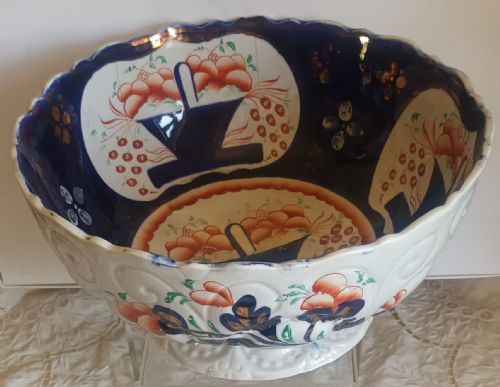


19th Century Art Pottery
Nineteenth century art pottery brings together bold glazes, sculptural forms and studio experiment from across Britain and Europe.
19th Century Art Pottery
When searching for 19th century art pottery, you encounter a diverse selection of decorative items ranging from studio vases to regional folk earthenware. These pieces bridge traditional craft methods and the expressive design movements that emerged toward the end of the century.
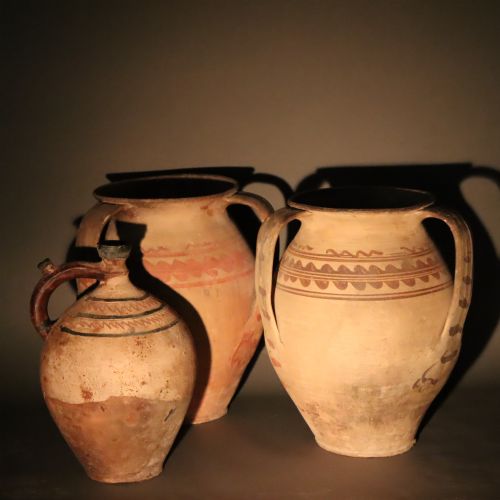
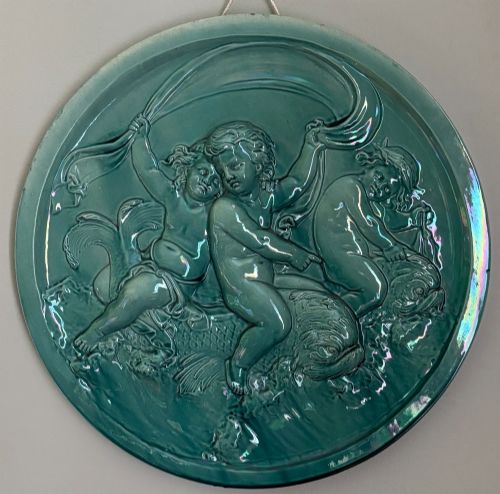
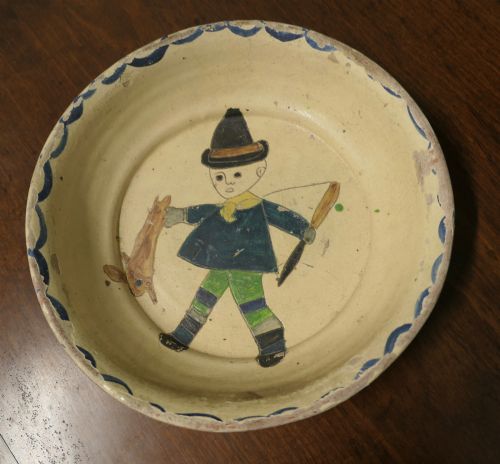
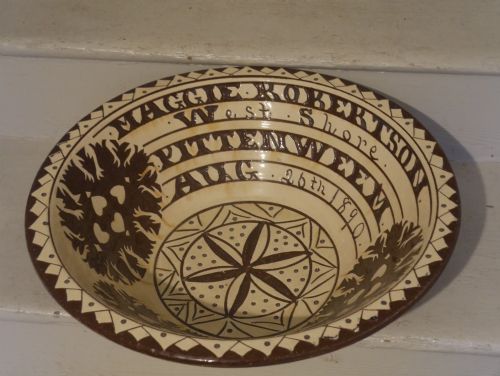
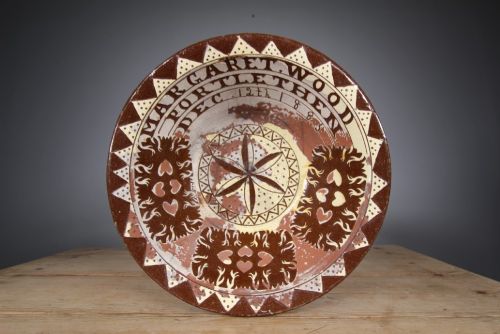
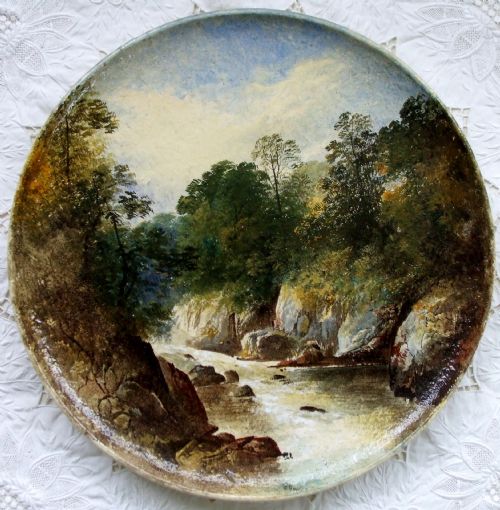
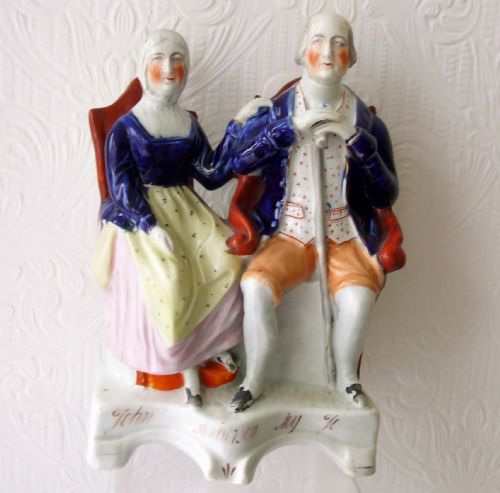
The objects on this page span vernacular domestic items like slipware dairy bowls and money boxes, alongside sculptural figures, decorative plaques and cabinet vases. Staffordshire pottery flatbacks and portrait figures appear frequently alongside French and German faience vessels.
Origins stretch across British regional potteries in Scotland and Dorset, major factories such as Doulton and Copeland, and continental centres including Mettlach, Quimper and Normandy. Victorian taste dominates the selection, accompanied by early manifestations of the Arts and Crafts and Art Nouveau styles.
How They Were Made
Makers shaped these items primarily from earthenware, terracotta, and stoneware, applying lead glazes, enamel, and slip to build surface depth and colour. Ceramic bodies were thrown, moulded, or hand-modelled depending on whether the piece required a fluid vessel shape or a detailed figural relief.
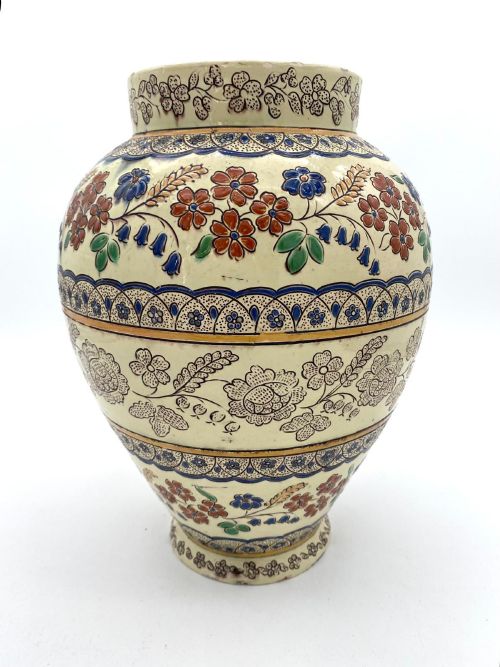
Decorative techniques rely heavily on painted enamels, applied slips, and specialised glazing methods such as those patented by Doulton. Faience decoration involved painting directly onto an opaque tin glaze before firing, while slipware utilised contrasting liquid clays trailed across the surface.
19th Century Art Pottery Retail Price Guide 2026
Typical asking prices for 19th century art pottery among the pieces listed under this phrase on Sellingantiques today, from the lower quarter to the upper quarter. They describe what is for sale here now, not the wider market.
A ceramic pig sculpture from Normandy shares space with highwayman figures and cow creamers.
What Varies in Quality
Quality rests in the crispness of the modelling on figural pieces and the control of the glaze on studio vessels. Pieces from notable potteries and named artists demonstrate superior handling of pigments and kilns compared to simpler regional wares.
The distinction between standard commercial output and exceptional studio pieces lies in the ambition of the design and the execution of the surface finish. Subtle variations in hand-painting and glaze reactions elevate individual examples far above mass-produced factory items.
Doulton Lambeth·Goldscheider·Ernst Wahliss·Moorcroft Macintyre·Jules Vieillard·Sir Edmund Harry Elton
The 19th Century Art Pottery Glossary
- Slipware
- Pottery decorated with slip, which is a liquid mixture of clay and water applied through trailing or brushing before firing. This technique creates raised patterns and contrasting lines against the body of the vessel.
- Faience
- Tin-glazed earthenware produced across various European regions, often featuring hand-painted floral or pictorial designs. The opaque white glaze provides a smooth ground for bright enamel colours.
- Flatback
- A style of Staffordshire pottery figure moulded with a detailed front and a flat, unglazed or minimally painted back intended for display on a mantelpiece. These figures typically depict theatrical characters, historical events, or popular personalities.
- Slaters Patent
- A ceramic decoration technique developed by Doulton where lace or textured fabric is pressed into the damp clay body before glazing and firing. This creates a distinctive tactile pattern across the surface of the vase.
- Prattware
- Earthenware produced with characteristic low-relief moulding and limited underglaze colours, commonly blues, yellows, browns and greens. The pieces often take the form of jugs, plaques and figural groups.
19th Century Art Pottery: Frequently Asked Questions
What is 19th century art pottery?
These pieces represent the shift from industrial factory production toward individual artistic expression in ceramics during the eighteen hundreds. They include studio vases, decorative plaques, figural sculptures and regional utilitarian wares.
Craftsmen and artists experimented with novel glazes, surface textures and forms influenced by historical revivals and modern design movements. The category embraces everything from modest village slipware to ambitious studio creations.
How were slipware bowls used?
Regional slipware vessels served practical functions in domestic dairy work and food preparation before transitioning into decorative display items. Their robust construction suited heavy daily use in rural kitchens and farmhouses.
Over time, collectors valued these utilitarian objects for their honest craftsmanship and direct connection to vernacular folk traditions. Today they find placement on open shelving or tables as decorative focal points.
How do I identify Staffordshire figures?
Staffordshire figures generally feature earthenware bodies with hand-painted enamel colours and characteristic glossy lead glazes. Many examples are modelled as flatbacks designed specifically to sit flush against a wall on a mantelpiece.
Subjects draw from contemporary news, theatrical performances, folklore and portraits of famous public figures. Their naive charm and bright palettes make them instantly recognisable among Victorian ceramics.
Where was faience made?
Faience production centered in various European regions, notably France and Italy, where potteries developed distinct regional painting traditions. Workshops in Quimper and Normandy produced tin-glazed vessels decorated with local scenes and floral motifs.
Continental faience is distinguished by its opaque white background glaze and painted polychrome decoration. These pieces reflect the specific artistic tastes and manufacturing techniques of their local origins.