



19th Century Art Piece
A 19th century art piece brings the hand and eye of the Victorian era directly into a room.
19th Century Art Piece
When you search for a 19th century art piece, you encounter a broad mix of fine art and vernacular making. The selection ranges from framed oil paintings and watercolours to carved models, folk art, and decorative objects.
Fine art appears through oil paintings on canvas and board depicting portraits, animals, and landscapes by named artists. Alongside these, decorative works and maritime folk art pieces offer a different texture of the period.
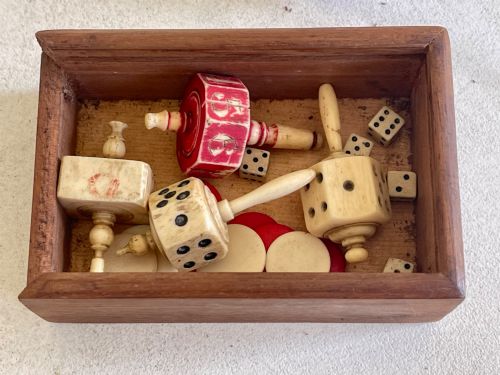
The objects span Victorian and earlier foundations, extending into the turn of the twentieth century. Vernacular items such as carved bone, treen, and slate sit alongside signed studio works.
Materials and construction
Painters worked primarily with oil paint on canvas or board, and watercolour on paper, often framing their output in period timber. Sculptural and decorative items draw on wood, fruitwood, sycamore, brass, and glass.
Folk objects utilise vernacular mediums including bone, Welsh slate, painted pine, and canvas. Maritime and Prisoner of War pieces demonstrate detailed hand-working in bone and bottled rigging.
Craftsmen utilised traditional joinery, hand-carving, and silhouette cutting. Pigments and glazes reflect the period palette, from the rich tones of oil paintings to Mary Gregory glass enamelling.
19th Century Art Piece Retail Price Guide 2026
Typical asking prices for 19th century art piece among the pieces listed under this phrase on Sellingantiques today, from the lower quarter to the upper quarter. They describe what is for sale here now, not the wider market.
Listings span oil paint, canvas, glass, brass, wood, bone, and Welsh slate across the nineteenth century.
Evaluating quality and handling
Quality rests on the integrity of the material and the sureness of the maker's hand. Fine art works depend on the handling of paint and composition, while folk items rely on character and precision in carving.
Condition matters profoundly, particularly the stability of canvas, the preservation of painted surfaces, and the absence of clumsy restoration on delicate bone or treen items.
A M Gauci·Philip Richard Morris·John Robert Dicksee·Mary Gregory·Augustin Edouart·Lester Sutcliffe·Benjamin CALLOW·Charles Hunt Jnr
The 19th Century Art Piece Glossary
- Oil paint
- A slow-drying paint made from pigment suspended in a drying oil, commonly linseed. It dominates the fine art canvases of this period.
- Treen
- Small handmade wooden objects for domestic use. This term covers items like snuff boxes and lace folders.
- Silhouette
- A portrait cut from paper or painted in profile, popular for portraiture before photography became widespread.
- Folk art
- Utilitarian or decorative objects made by self-taught or vernacular makers. Examples include maritime models and carved slate hearth pieces.
- Pre-Raphaelite
- An artistic movement associated with detailed observation, bright colours, and serious subject matter derived from literature and nature.
19th Century Art Piece: Frequently Asked Questions
What defines a 19th century art piece?
It is an original work, painting, or decorative object produced during the eighteen hundreds. The category bridges fine academic art and vernacular folk pieces.
Items range from oil portraits to carved wooden models and bone artefacts. Each reflects the materials and visual culture of the period.
How do I care for oil paintings?
Keep paintings away from direct sunlight and sources of sudden temperature change. Stable indoor conditions protect both canvas and wooden stretchers.
Dust surfaces gently with a soft, dry brush. Avoid liquid cleaners and consult a professional conservator for deeper cleaning.
What is folk art?
Folk art comprises objects made by ordinary people rather than academic artists. These pieces often serve a practical function or record maritime and rural life.
Examples include carved bone items, treen boxes, and slate plaques. They value character and ingenuity over formal training.
How to spot a Victorian painting?
Look at the subject matter, framing, and stretcher construction. Victorian works frequently feature narrative scenes, domestic animals, or detailed portraits.
Examining the canvas texture, pigments, and handwritten inscriptions on the reverse helps confirm the period.