
19th Century Art Pair
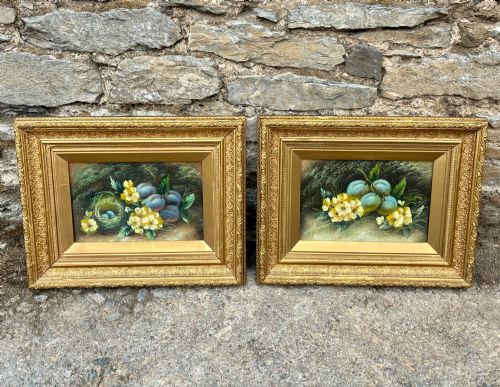
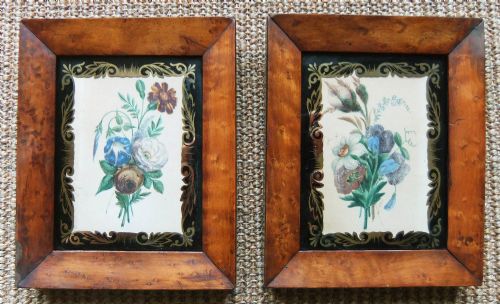
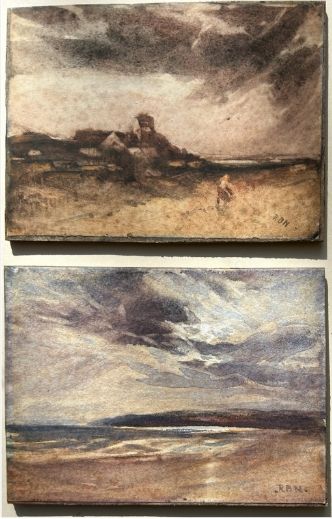
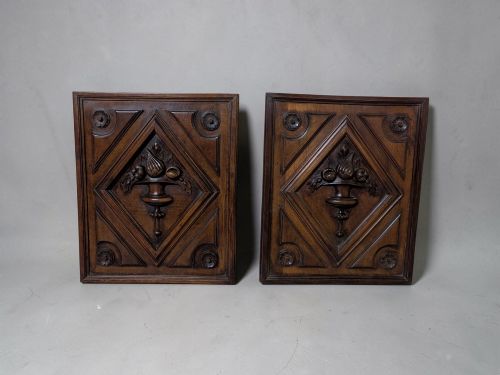
A 19th century art pair brings balanced harmony to a wall or mantel, pairing matched oil paintings, prints, or plaques for symmetry.
19th Century Art Pair
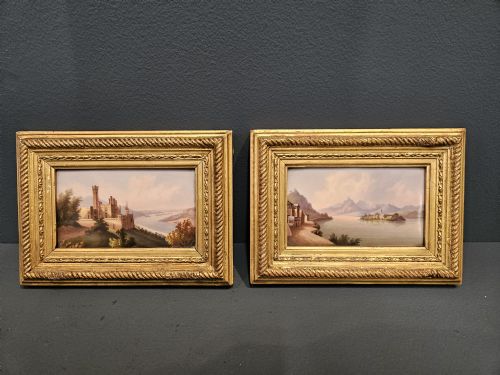
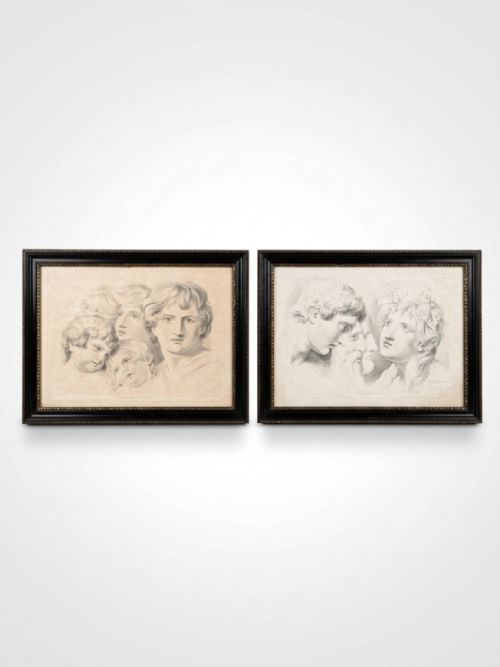
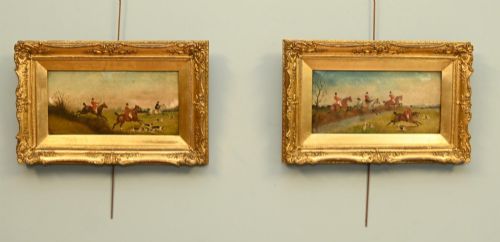
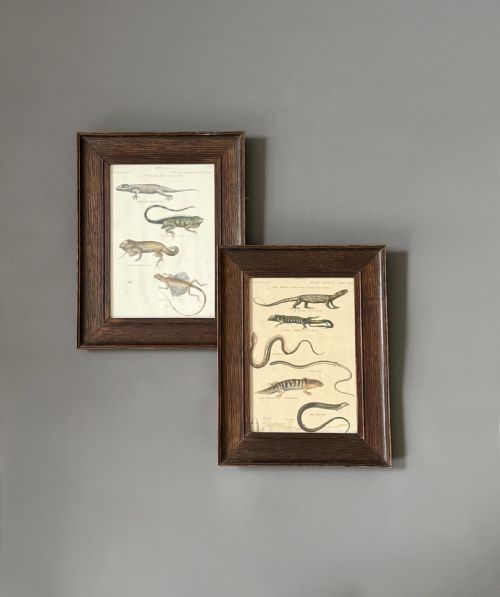
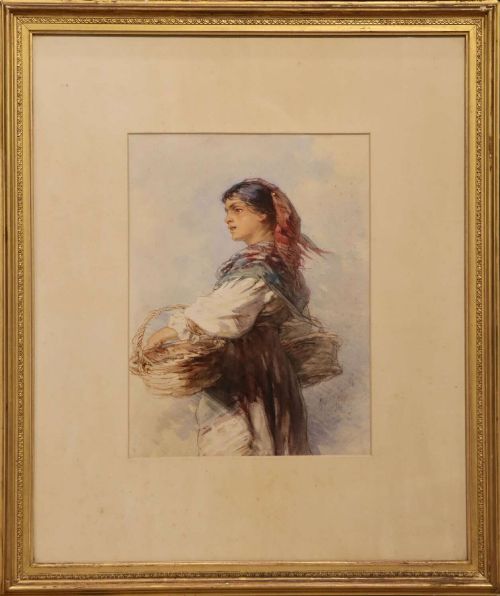
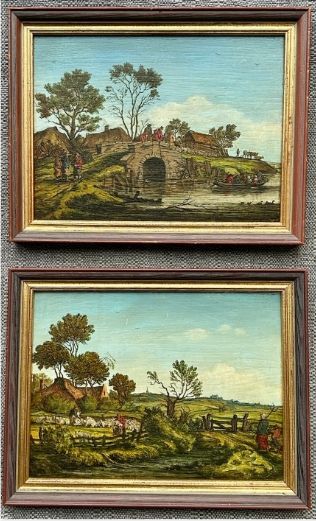
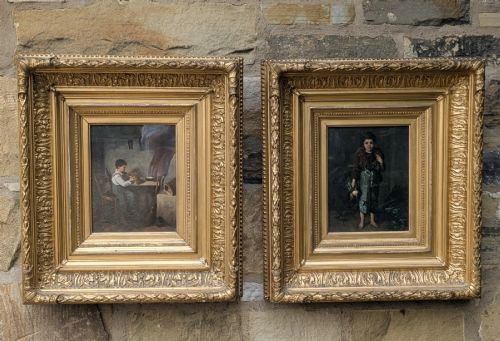
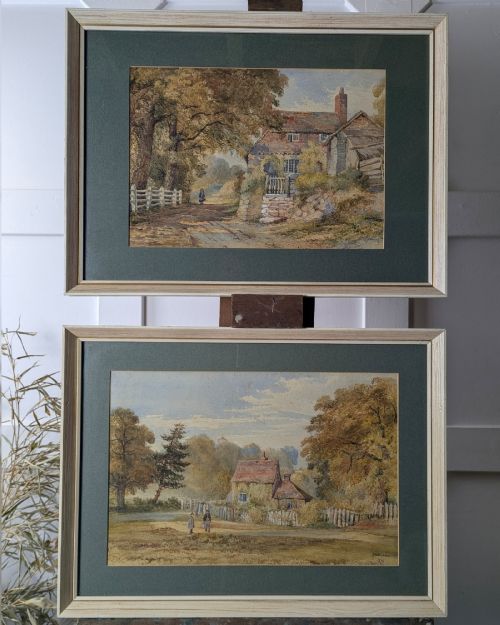
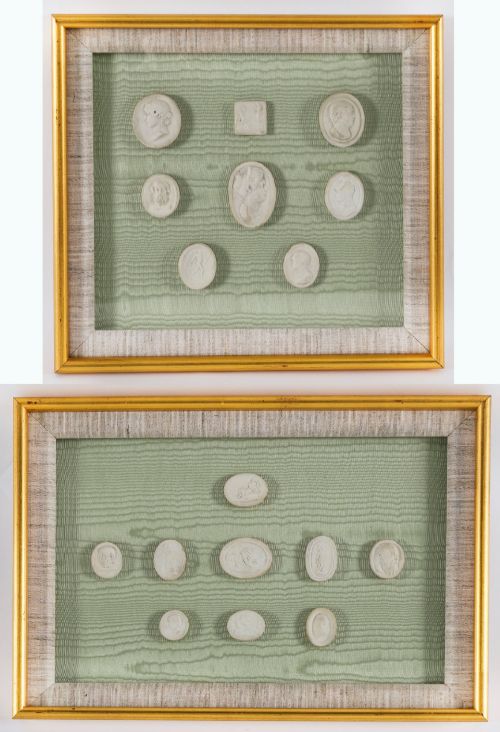
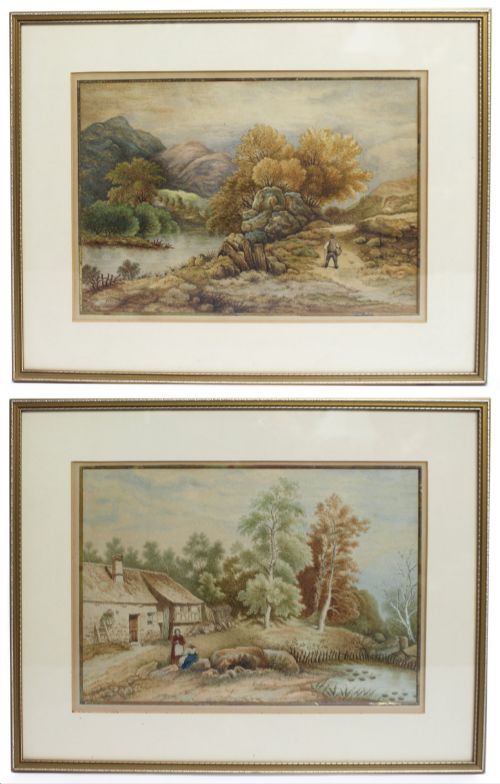
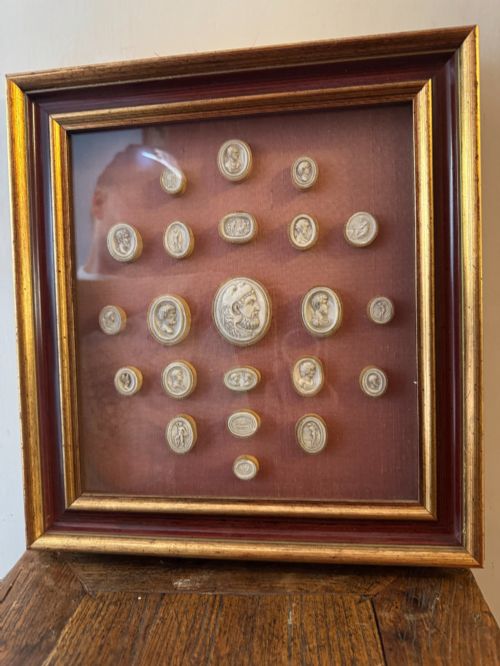
A 19th century art pair unites two corresponding pieces of visual work created to be displayed together as a matched set. These dual items range from oil paintings on canvas and wood panels to watercolours, engravings, lithographs, and framed intaglios.
The selections on this page span portraits, maritime scenes, landscapes, and decorative wall plaques from the Victorian, Regency, and Arts and Crafts periods. Buyers encounter both intimate domestic sketches and large highland or historical compositions designed for formal rooms.
How they were made
Artists and makers utilised oil paint, watercolours, ink, and graphite on supports of canvas, wood panels, paper, and artists' board. Many pieces incorporate delicate detailing in gesso, gold leaf, and silk embroidery.
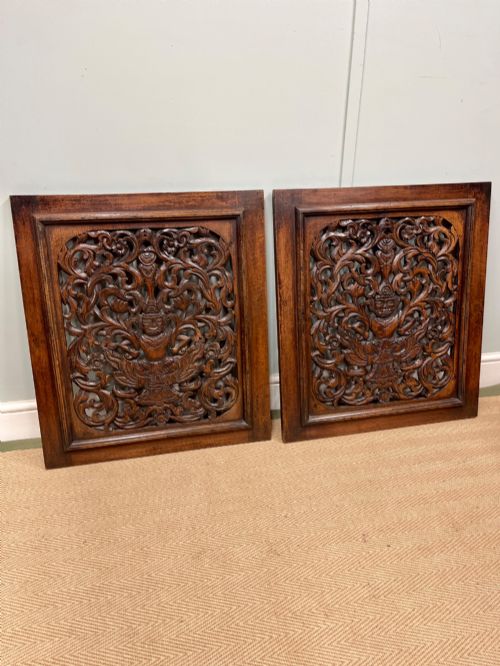
The resulting works found preservation in original frames of carved wood, rosewood, ebonised finishes, gilt, and faux tortoiseshell, maintaining the intended visual pairing through changing decades.
Listings feature works executed in oil paint, watercolour, graphite, plaster, bronze, and carved wood from the nineteenth century.
What varies in quality
The distinction between standard decorative items and finer works lies in the execution of the hand, the clarity of the brushwork or engraving line, and the artist's ability to maintain identical scale and tone across both pieces.
Survival of the original framing, such as period gilt, rosewood, or stamped maker housings, alters the integrity of the pair. Matched provenance and consistent ageing across both surfaces elevate the pairing.
Adam Buck·Robert A. Nottingham·Th. Thibault·Robert Cleminson·John Moore of Ipswich·Liberty and Co·William Tonks·Theodore Jensen·Louis Haghe·Abraham Hulk I·William Morris·Morris and Co·John Grenville Fennell
The 19th Century Art Pair Glossary
- Intaglio
- A design carved into a material so that the impression sinks below the surface. Grand Tour intaglios were popular souvenirs carved in plaster or gypsum during the nineteenth century.
- Lithograph
- A planographic printing process using a flat stone or metal plate. Artists utilised this technique to produce detailed multi-colour or monochrome prints.
- Oil on canvas
- Pigment suspended in drying oil applied to stretched woven fabric. This medium dominated nineteenth-century easel painting for durability and depth of colour.
- Wood panel
- A flat solid piece of timber utilised as a rigid support for oil paintings. Flemish and Dutch schools frequently painted on prepared wooden boards.
- Watercolour
- A paint consisting of pigment suspended in a water-based solution. Artists applied these translucent washes onto paper to capture rapid atmospheric effects and delicate portraits.
19th Century Art Pair: Frequently Asked Questions
What subjects appear most often in these pairs?
The evidence shows a strong concentration of portraiture, depicting children, historical militia, couples, and character studies. Landscapes, maritime scenes, and botanical or animal subjects also form substantial groups.
Makers frequently produced companion pieces to hang on opposite sides of a fireplace or architectural feature. These complementary subjects provide balanced visual weight to a shared wall space.
Are these works signed by the artists?
Many pieces carry signatures, monograms, or distinct attributions to known painters, printmakers, and workshops. Others remain unsigned, representing anonymous folk art traditions or studio output.
Signatures help establish authorship, though unsigned examples frequently display equal technical competence in brushwork and composition.
How do I hang a pair correctly?
Matching pairs require careful measurement to maintain equal height and symmetrical spacing on the wall. They are traditionally positioned at eye level, flanking a central doorway, mantelpiece, or piece of furniture.
Keeping the original frames aligned ensures the visual dialogue between the two individual works remains uninterrupted.
What framing should I expect to find?
Nineteenth-century works frequently retain their original housing, including gilt wood, rosewood, ebonised mouldings, and faux tortoiseshell frames. Some pieces preserve early manufacturer labels and backing papers.
Original frames complement the period aesthetic, though matched replacement frames from the same era sometimes appear due to centuries of conservation.