

19th Century Armchair Frame
When sourcing a 19th century armchair frame, you search for the foundational skeleton of a period seat ready for restoration.
19th Century Armchair Frame
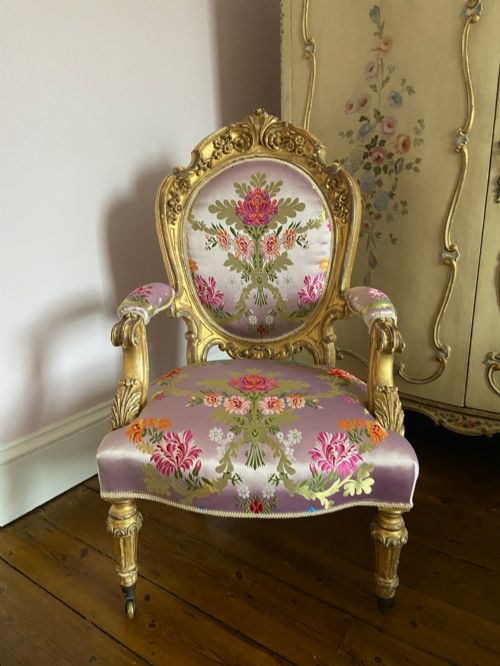
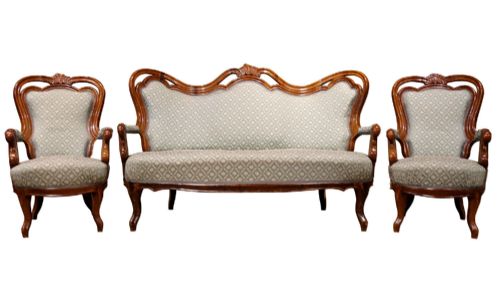
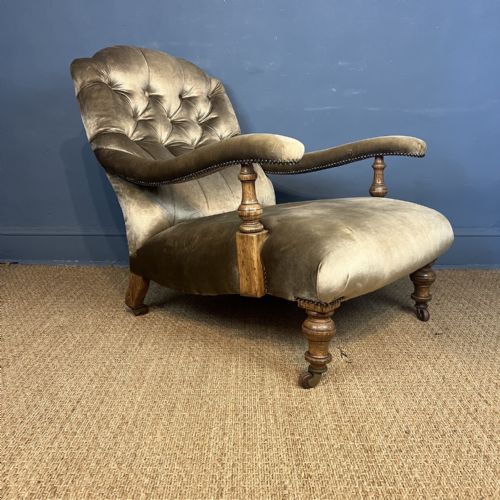
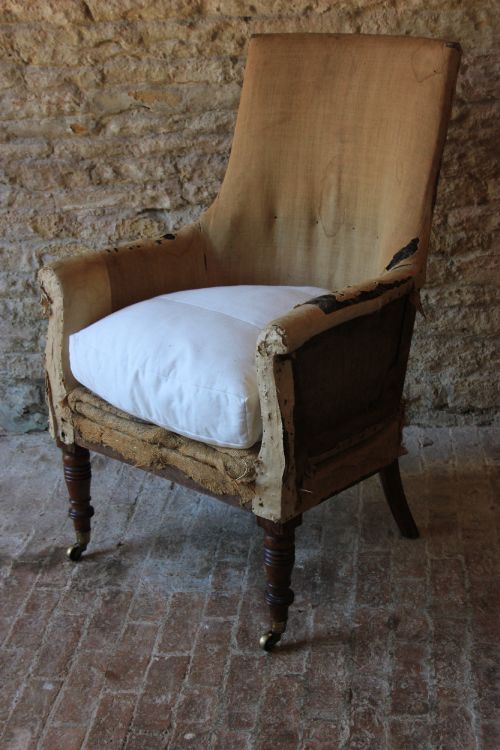
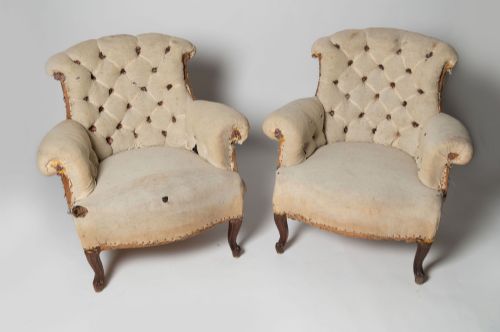
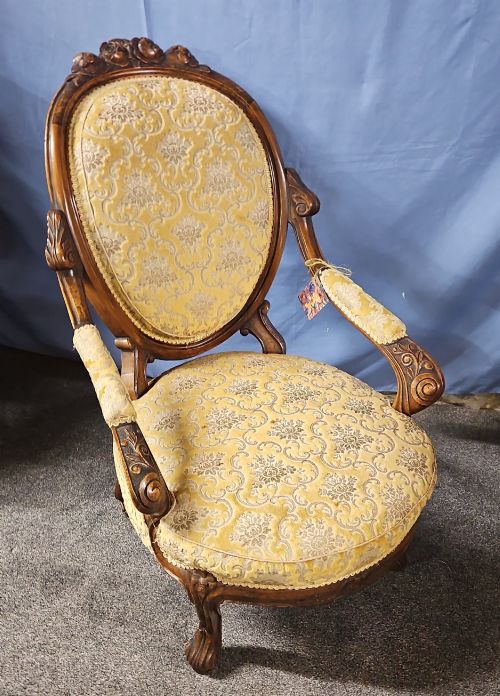
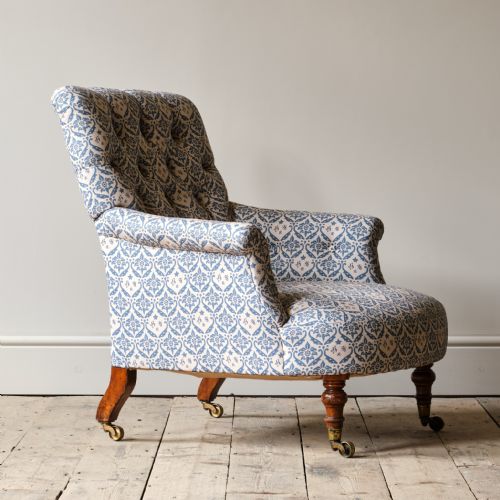
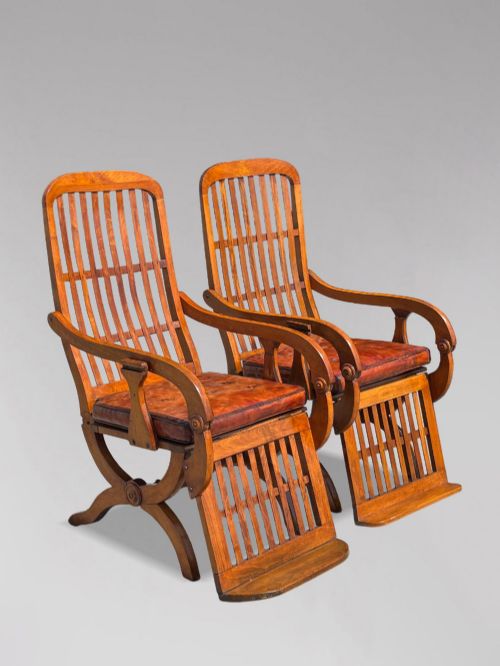
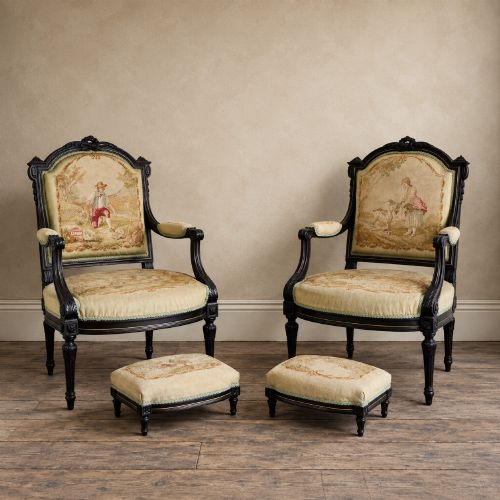
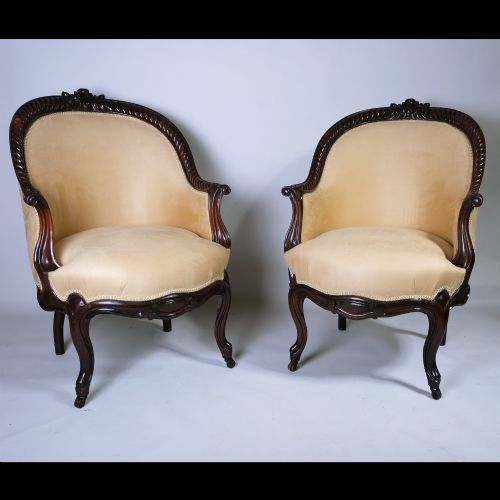
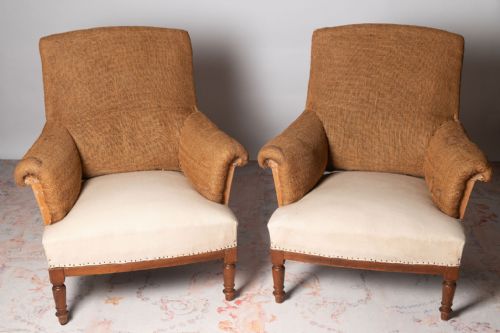
A 19th century armchair frame provides the structural timber skeleton of a historic seat, stripped of worn upholstery or preserved in its raw frame state. Buyers search for these pieces to undertake bespoke reupholstery projects or to appreciate the exposed cabinetmaking of the era. The selections span sturdy library armchairs, low salon seats, and reclining variants.
Victorian and Regency examples dominate the offerings, alongside French revival models and country vernacular pieces. Walnut, mahogany, and oak appear most frequently as the primary structural timbers supporting these chairs. Many retain remnants of hessian, calico, or initial webbing from their original workshop assembly.
Materials and construction methods
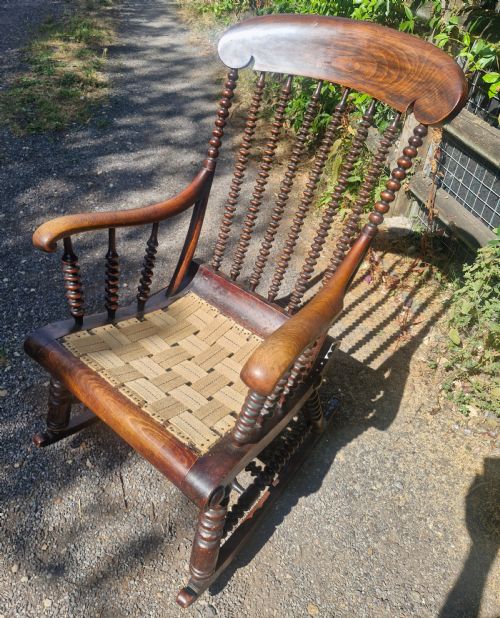
Cabinetmakers utilised dense hardwoods like walnut, mahogany, oak, and beech to construct the load-bearing rails and carved show-wood arms. Turned elements, such as bobbin framing or tapering legs, required precise lathe work, while complex curves relied on steam bending or joined sections.
Internal support involved tightly lashed springs, horsehair stuffing, and coarse hessian layers pinned directly to the wooden rails. Exposed frames often displayed hand-carved ornamentation, gilding, or ebonised finishes applied by skilled artisans.
Period styles represented include Regency, Victorian, Louis XV Revival, Gothic Revival, and William And Mary.
Indicators of superior craftsmanship
Superior quality rests in the selection of timber and the crispness of the hand-carving along the show-wood rails. Dense, well-figured walnut or mahogany indicates a workshop of higher standing than one utilising plain pine or beech.
Joinery execution dictates longevity; mortise and tenon joints fitted tightly without excessive metal reinforcement separate master cabinetmaking from provincial production. The fluidity of the carving on the arms and crest rail further distinguishes standard seating from exhibition pieces.
Howard And Sons·Gillows
The 19th Century Armchair Frame Glossary
- Fauteuil
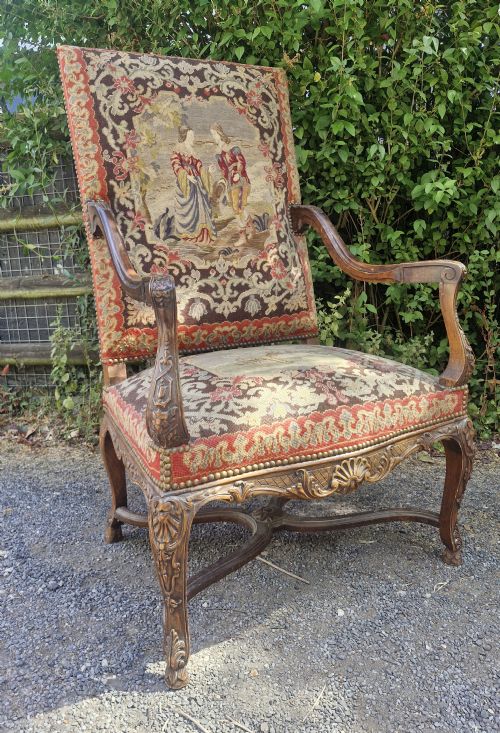
- An open-armed French armchair with upholstered back and seat, typically featuring exposed wooden framework.
- Gainsborough
- A wide, upholstered armchair with open padded arms, originating in the mid-eighteenth century and produced in various nineteenth-century revivals.
- Hessian
- A coarse woven fabric made from jute fibres, utilised as a base layer for stuffing and webbing on seat frames.
- Sabre leg
- A concave tapering furniture leg that curves outward towards the ground, common in Regency designs.
- Glastonbury
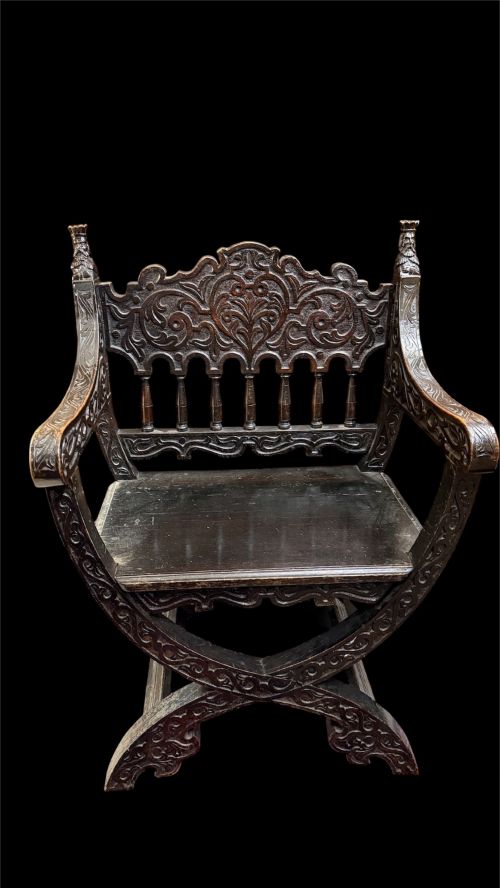
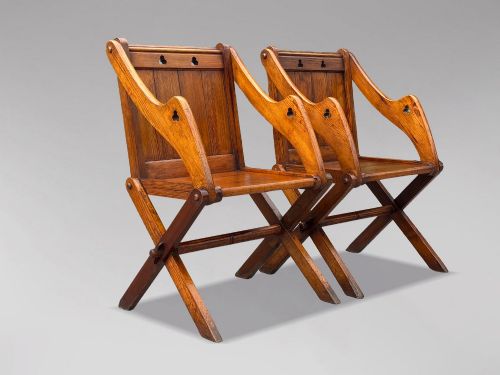
- A sturdy, X-framed wooden armchair design inspired by medieval church furniture and revived during the Victorian period.
19th Century Armchair Frame: Frequently Asked Questions
What is an armchair frame?
An armchair frame is the exposed or stripped wooden skeleton of a seat, including the legs, arm supports, and back rails. It forms the structural core before webbing, springs, and upholstery are applied.
Buyers often purchase these frames to apply bespoke fabrics that match their interior decor or to display the raw timber craftsmanship of the period.
How do I choose the right wood?
Selecting a wood type depends on the aesthetic you wish to achieve within your room. Mahogany and walnut offer rich, dark tones associated with formal library and salon settings, while oak and ash suit country vernacular styles.
Examine the grain pattern and ensure the timber matches any existing period furniture in your home before committing to a purchase.
Can I use these for daily seating?
These frames require professional upholstery and internal webbing before they can support daily use. Once restored with appropriate springs and padding, they provide sturdy and comfortable seating.
It is advisable to check the stability of the joints and frame integrity with a restorer prior to completing the upholstery process.
How do I date a frame?
Dating relies on identifying stylistic markers, timber choices, and construction techniques characteristic of specific decades. Regency pieces often feature sabre legs and mahogany, while late Victorian items may show revival influences like Louis XV or Gothic motifs.
Maker stamps, where present on the wooden rails, offer the most precise indication of origin and date.