




19th Century Applique
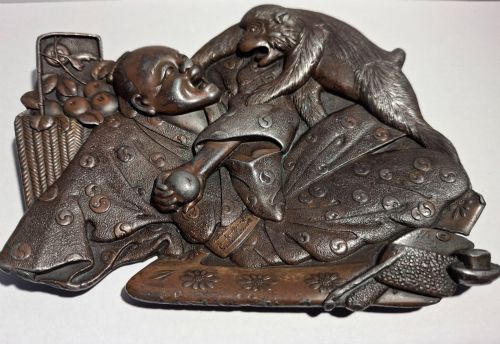
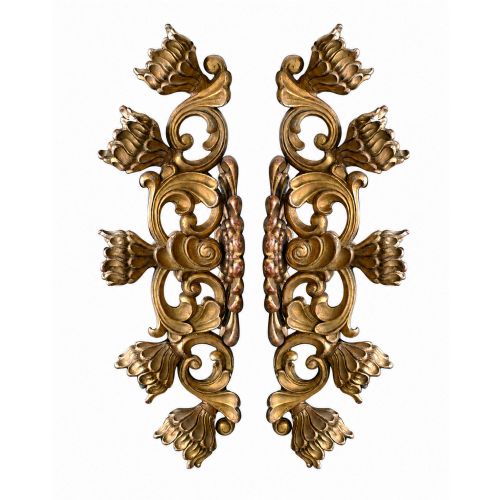
These 19th century applique pieces range from gilded wall lights to textile works, offering collectors ornate decorative items with distinct period character.
19th Century Applique
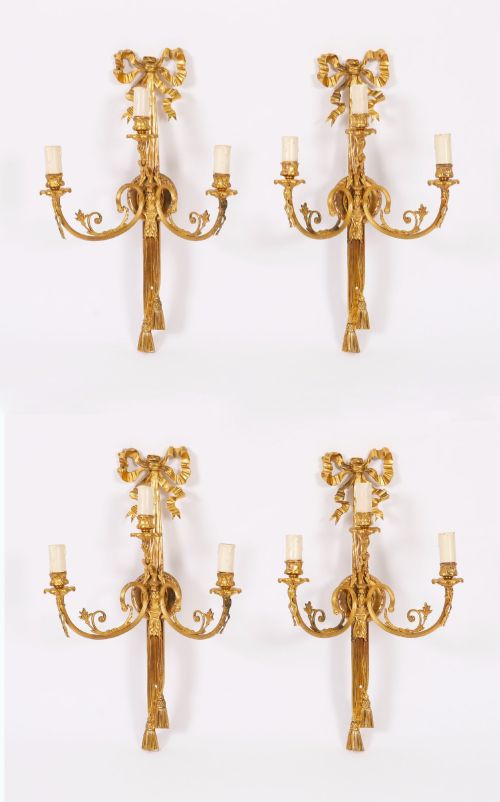
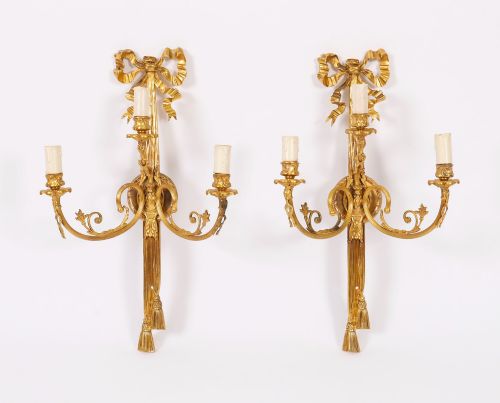
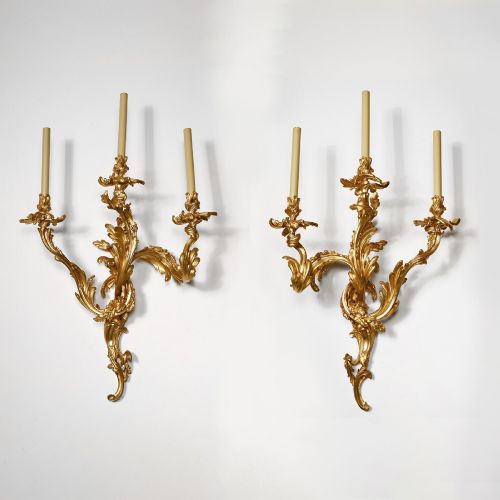
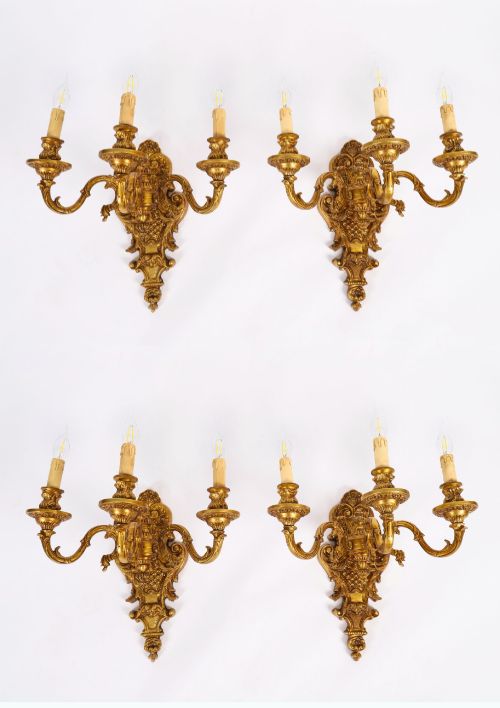
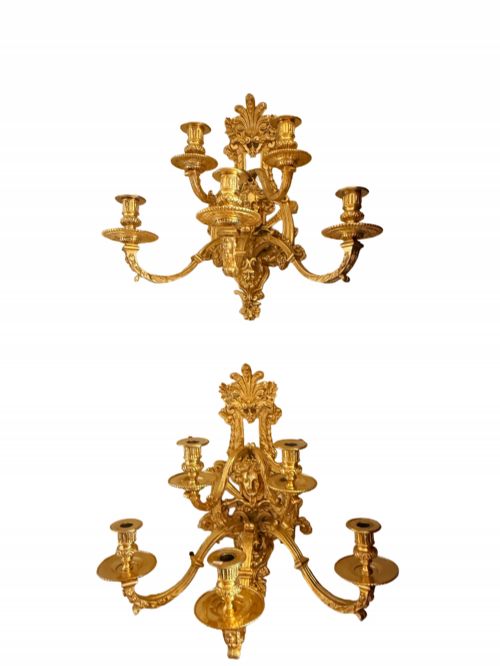
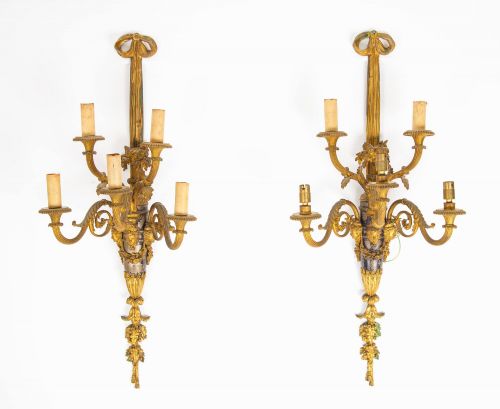
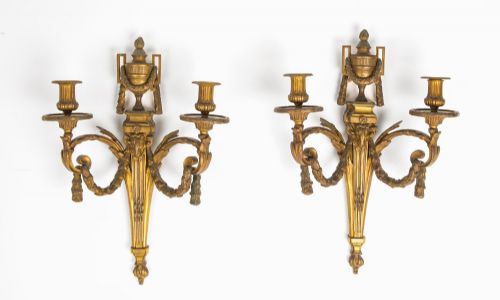
When searching for 19th century applique, buyers encounter a diverse group of objects spanning decorative metalwork, mounted ornaments, and textile needlework. The most frequent discoveries on this page are French and Italian wall lights, sconces, and candelabras cast in bronze or ormolu.
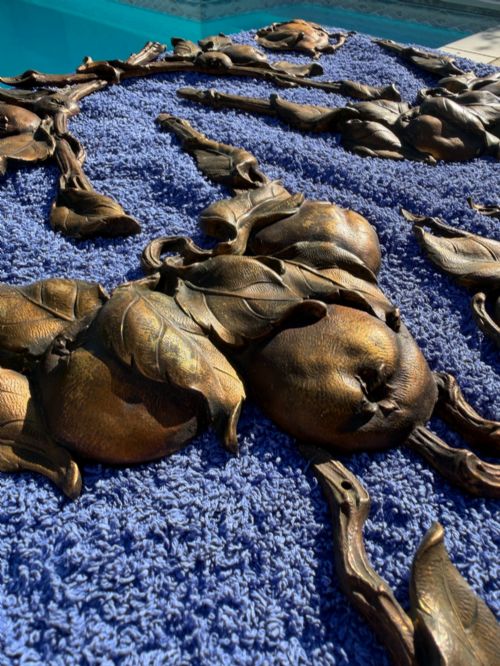
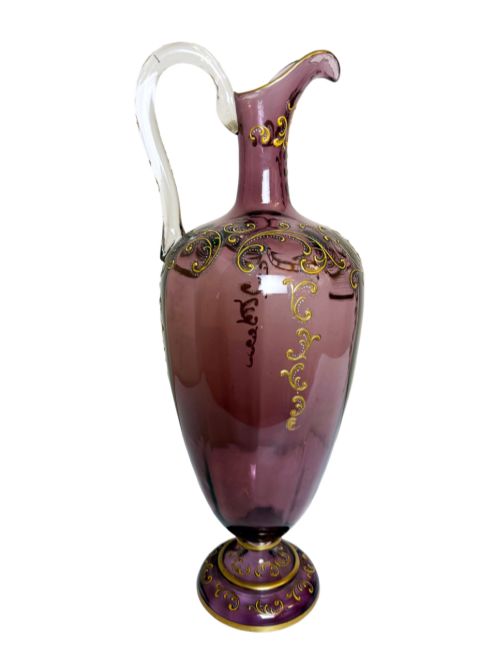
Beyond lighting, the selection includes furniture mounts, decorative boxes with applied cameos or enamel, hand-painted glass pitchers, and Persian silk-on-felt embroideries. These items reflect various historical revivals including Louis XVI, Rococo, Gothic, and Renaissance styles.
How they were made
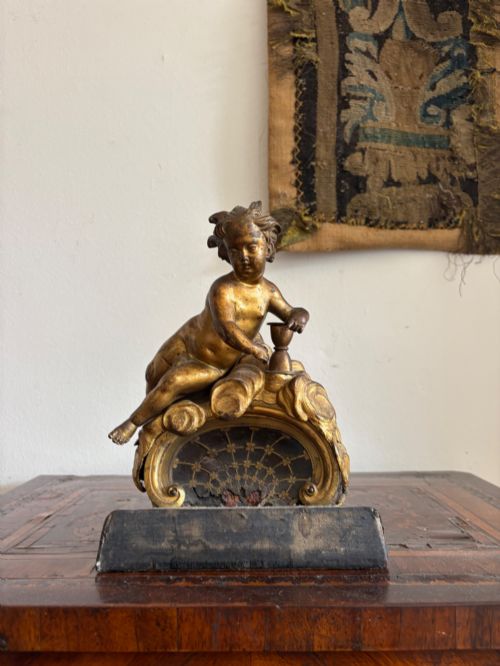
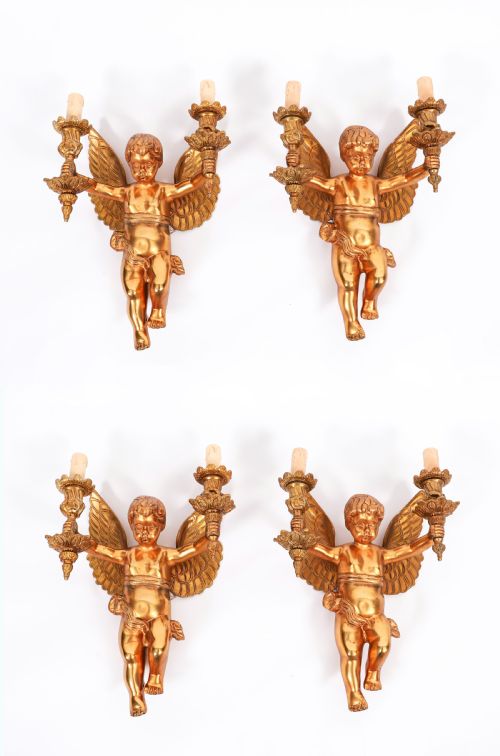
Metal components such as wall lights and furniture mounts rely on traditional casting methods in bronze, brass, or copper alloy, finished with fire-gilding known as ormolu or coated in gold leaf. Artisans chased and detailed these metal surfaces by hand to create sharp relief in classical motifs like cherubs, scrollwork, and rams' heads.
Textile and decorative box examples utilise applied surface work, combining silk, felt, wool, and carved elements stitched or secured to backing materials. Wood pieces involve hand-carving in oak or giltwood, while glass and porcelain items incorporate applied hand-painted details and fired metallic accents.
19th Century Applique Retail Price Guide 2026
Typical asking prices for 19th century applique among the pieces listed under this phrase on Sellingantiques today, from the lower quarter to the upper quarter. They describe what is for sale here now, not the wider market.
Several items on this page feature winged cherubs and ram's heads staring unblinkingly from the walls.
What varies in quality
In textiles and mounted decorative boxes, quality rests on the tightness of the stitching, the preservation of the fabric colours, and the integration of applied elements like cameos and enamels. Matching pairs that retain their original unified patination command stronger interest than assembled sets.
Poix Blin·Henri Vian·Henri Picard
The 19th Century Applique Glossary
- Applique
- An ornamental object applied to a surface, or textile work where pieces of fabric are sewn onto a larger ground.
- Ormolu
- Finely ground high-carat gold applied to a bronze object using a mercury amalgamation technique, common in French metalwork.
- Girandole
- A branched wall-mounted candleholder featuring mirrors or reflective backplates to amplify light.
- Chasing
- The hand-tooling of a metal surface with punches and hammers to refine cast details and create texture.
19th Century Applique: Frequently Asked Questions
What is 19th century applique?
The term covers both metal wall lighting mounts and textile works where decorative pieces are applied to a backing material.
Buyers primarily encounter gilt bronze wall sconces and embroidered panels from this era.
Where were these wall lights made?
France and Italy produced the majority of the bronze and ormolu lighting fixtures found in this category.
Parisian workshops generated many of the Louis XVI and Rococo revival pieces.
How do I care for gilt bronze?
Dust metal surfaces gently with a soft, dry brush to prevent accumulation without damaging the underlying gold finish.
Avoid liquid cleaners and aggressive polishing compounds that strip away historical ormolu.
Are textiles and metalwork cleaned differently?
Textiles require protection from direct sunlight and moisture to preserve silk and felt applique work.
Metal items are kept dry and stable in environments free from extreme humidity fluctuations.