




19th Century Apothecary Chest
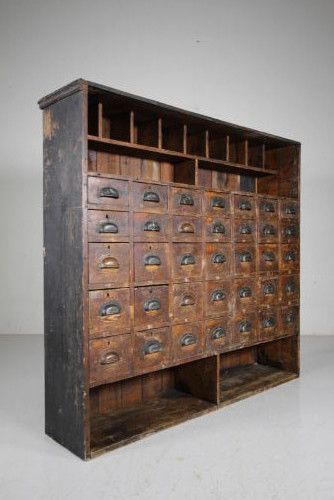
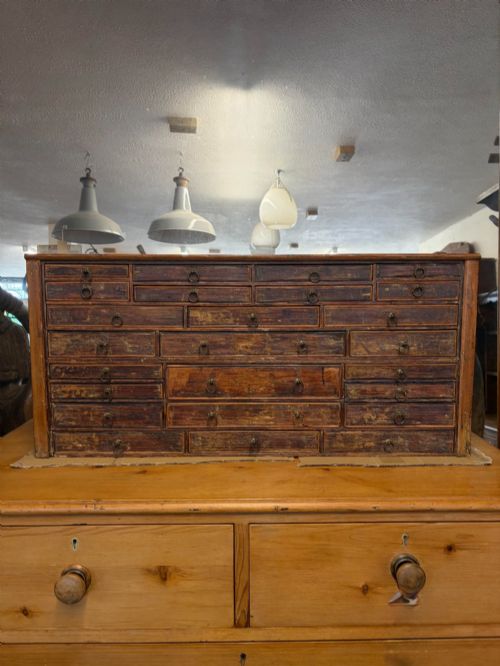
A 19th century apothecary chest organises small remedies and specimen jars behind fitted wooden drawers and flush brass handles.
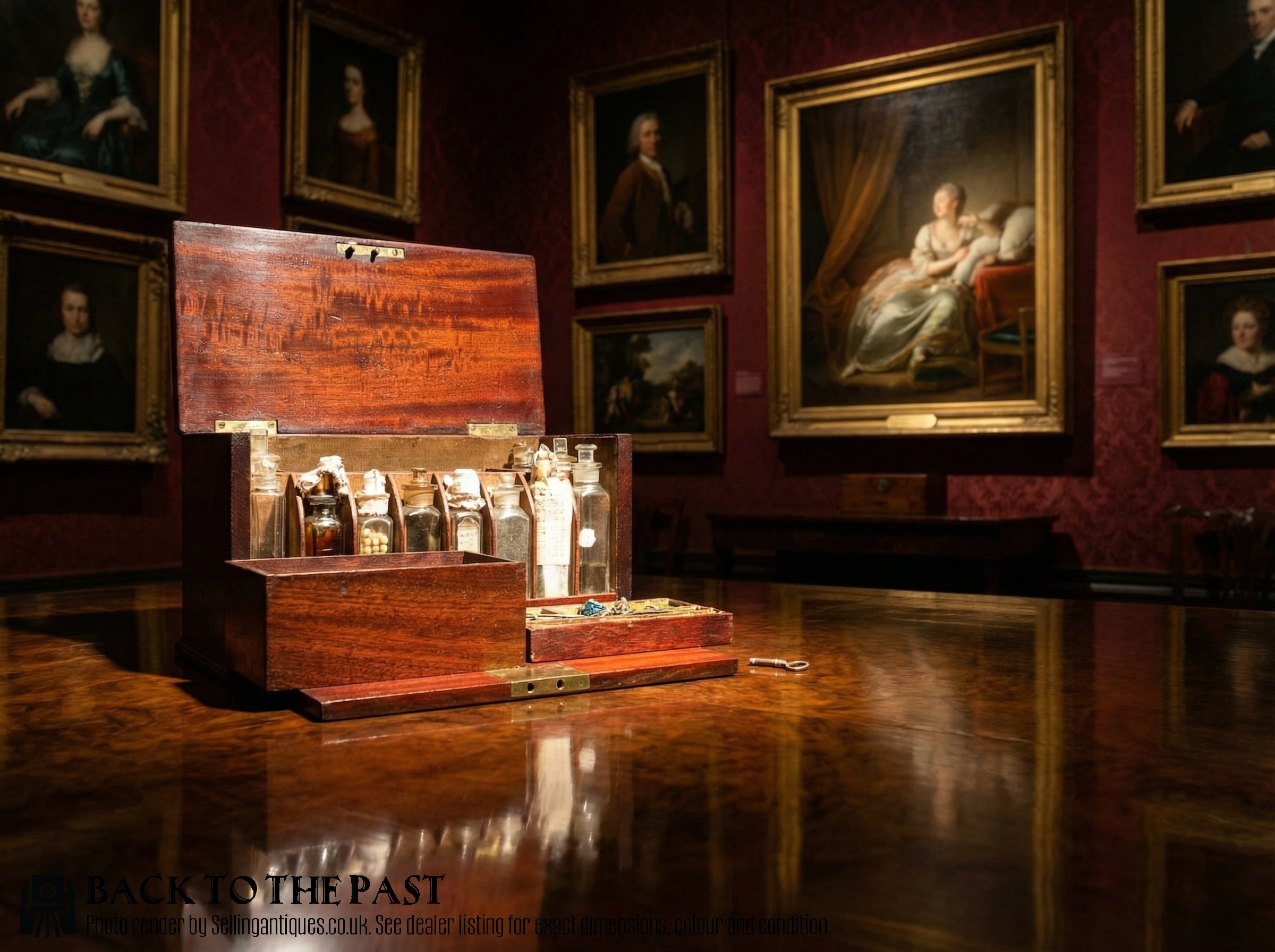
19th Century Apothecary Chest
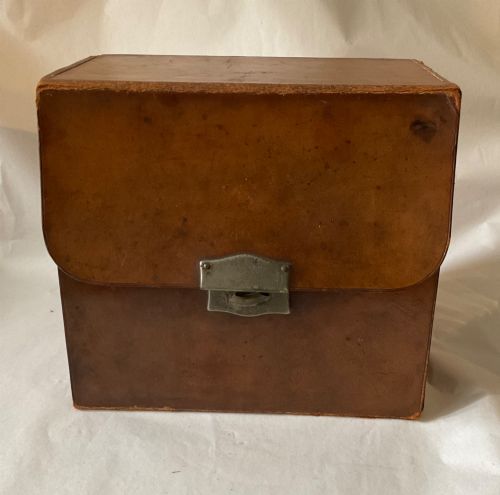
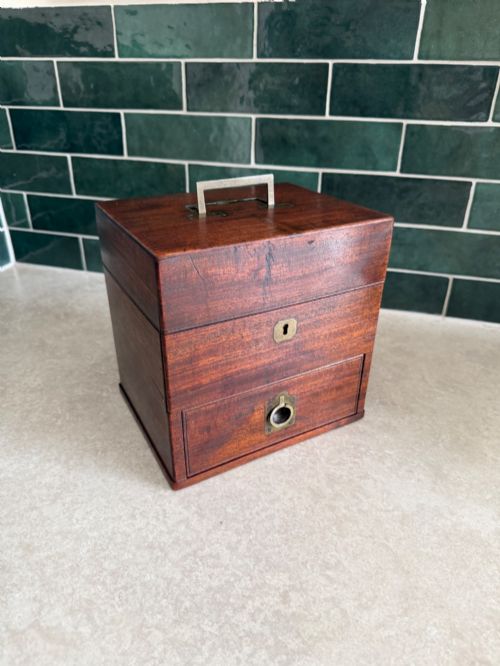
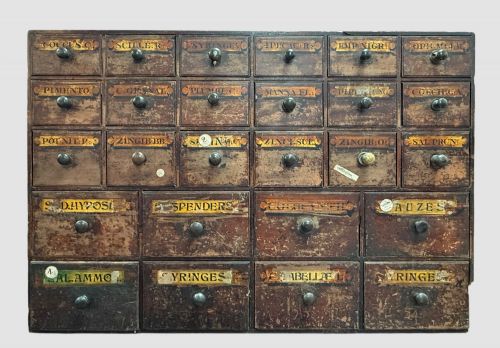
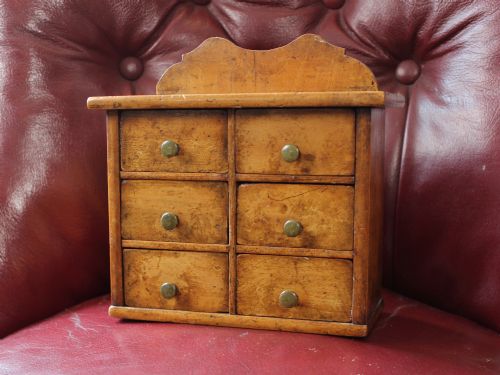
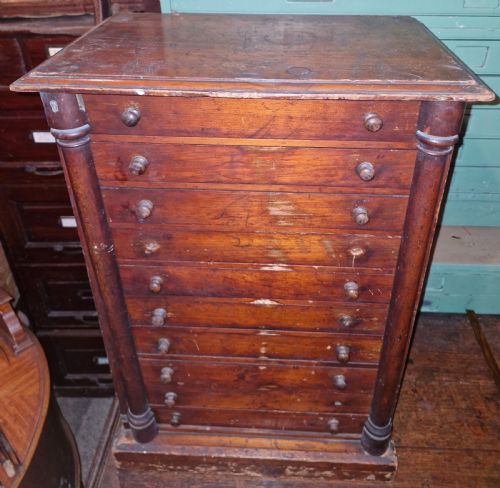
When you search for a 19th century apothecary chest, you encounter everything from compact travelling cases with internal glass bottles to large multicabinet pharmacy banks and multi-drawer collectors' cabinets. The domestic versions often date from the Regency and Victorian periods, structured in mahogany, walnut, or pine.
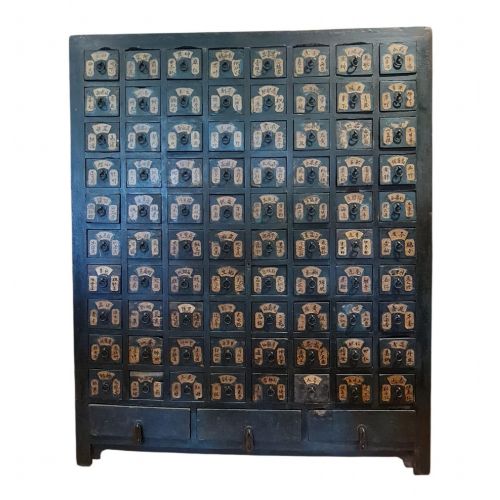
Beyond the classic home medicine box, the selections include spice cabinets, specimen chests, and dental cabinets originating from English, French, Scandinavian, and Chinese workshops. These variants share a disciplined multi-drawer format designed originally to store medicinal ingredients, herbs, or scientific samples securely.
Materials and construction
Cabinetmakers constructed these pieces primarily using dense timbers such as mahogany, walnut, fruitwood, and pine, occasionally applying veneers like satin birch over secondary woods. Drawers relied on tight dovetail joints to withstand daily pulling, while exterior frames often incorporated brass carrying handles, flush campaign mounts, and inset locking escutcheons.
Internal layouts required precision woodworking to accommodate glass bottles, scales, and velvet-lined compartments without shifting during transport. Surfaces were finished with polish, wax, or paint, leaving grain patterns visible on polished wood or painted finishes on functional pine storage.
19th Century Apothecary Chest Retail Price Guide 2026
Typical asking prices for 19th century apothecary chest among the pieces listed under this phrase on Sellingantiques today, from the lower quarter to the upper quarter. They describe what is for sale here now, not the wider market.
One extraordinary box hides a secret lower compartment beneath the main bottles, designed for powders best kept away from prying eyes.
Distinctions in craftsmanship
Quality rests in the integrity of the timber selection and the precision of the drawer fit, where finer examples maintain smooth operation across dozens of small compartments without binding. The survival of original brass hardware, working locks, and interior fittings elevates a piece above standard utility storage.
The presence of matching glass apothecary bottles and intact velvet linings separates comprehensive travelling chests from modified or stripped boxes. Superior cabinets exhibit careful dovetailing and refined secondary woods even in concealed structural areas.
Luxmore's of Ilfracombe
The 19th Century Apothecary Chest Glossary
- Apothecary chest
- A small cabinet or box containing multiple small drawers and compartments designed for storing medicines, herbs, and medical instruments. These units served both domestic households and professional dispensaries.
- Dovetail joint
- An interlocking woodworking joint formed by alternating wedge-shaped fingers, prized for its tensile strength in drawer construction. It holds the corners of cabinet drawers firmly together under repeated pulling.
- Escutcheon
- A flat plate of brass or metal surrounding a keyhole to protect the surrounding wood from wear. On these chests, it often incorporates a small folding drop handle to operate integrated locking mechanisms.
- Specimen chest
- A specialised multi-drawer cabinet built to hold natural history samples, fossils, or small artefacts rather than medicines. They share the same exterior architecture as pharmacy drawers but feature shallow trays inside.
- Campaign hardware
- Recessed brass handles and corner brackets designed to sit flush with the wooden surface so they do not catch during transport. This military-derived technique protected travelling medical boxes on journeys.
19th Century Apothecary Chest: Frequently Asked Questions
What did they store inside?
These chests held glass bottles filled with liquid medicines, dried herbs, pills, and chemical powders used in nineteenth-century healthcare. Travelling versions kept remedies organised for domestic households on long journeys.
Larger multi-drawer pharmacy banks held bulk dry ingredients and powders in shops, while specialised dentist and specimen variants accommodated steel instruments and natural history collections.
How do I date the chest?
Dating relies on observing timber choices, construction techniques, and hardware styles across different decades of the nineteenth century. Regency examples often feature fine mahogany and specific brass inlay, while late Victorian pieces utilise walnut and satin birch.
Hand-cut dovetails give way to machine assistance towards the end of the century. Locks, keyhole escutcheons, and the presence of original glass bottles provide further chronological clues.
Are the glass bottles usually original?
Many surviving travelling chests retain their original blown or moulded glass bottles, often bearing ground glass stoppers. These fitted glass vessels match the specific internal pigeonholes and compartments carved for them.
Over the decades, some bottles went missing or broke through use, meaning many chests are found with later replacements or entirely empty interiors. Surviving matching sets significantly enhance the integrity of the piece.
How do I maintain the wood?
Maintain the timber surfaces by applying microcrystalline wax sparingly to nourish the grain and protect the polish. Avoid placing wooden chests in direct sunlight or near heat sources that cause wood to dry and split.
Keep brass handles and escutcheons unpolished unless cleaning is strictly necessary, preserving the natural aged patina developed over generations of handling.