





1960s Wall Art
When you search for 1960s wall art, you uncover a vibrant mix of mid-century paintings, prints, and drawings that bring character to any room.
1960s Wall Art
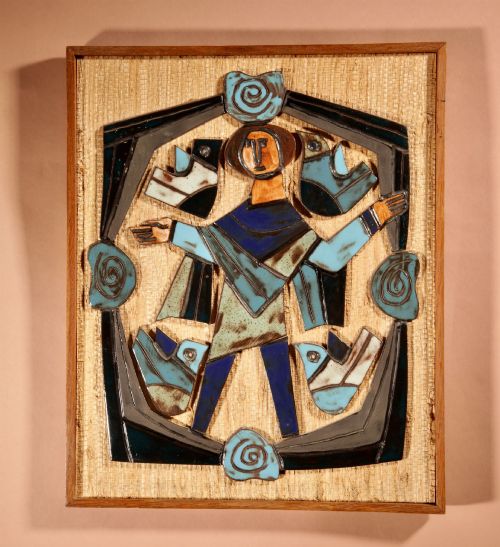
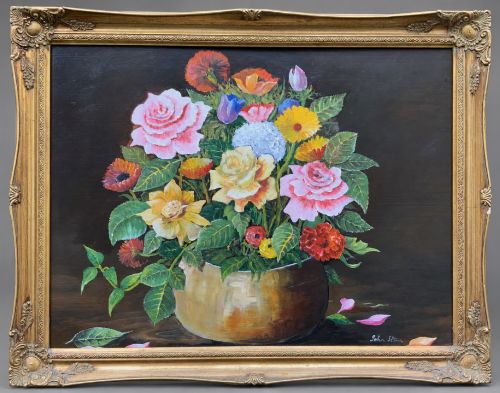
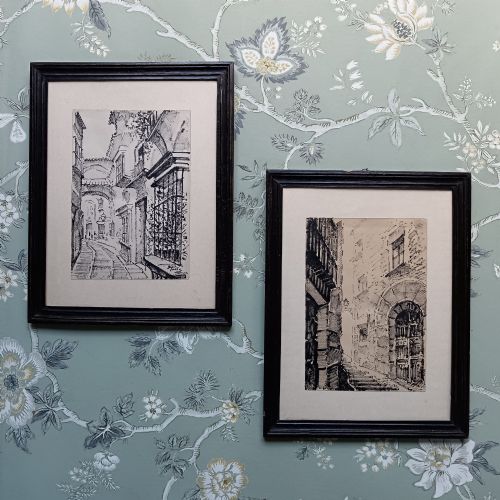
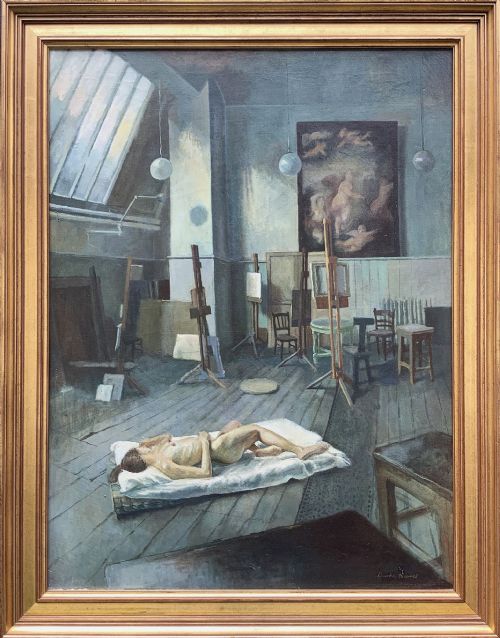
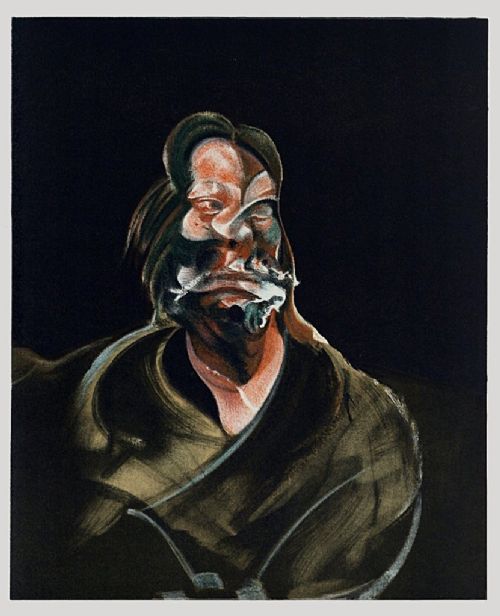
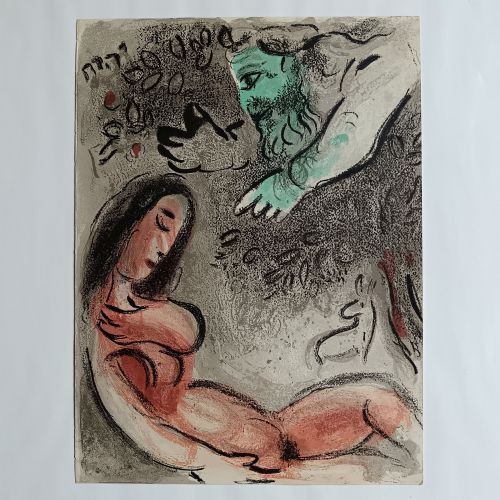
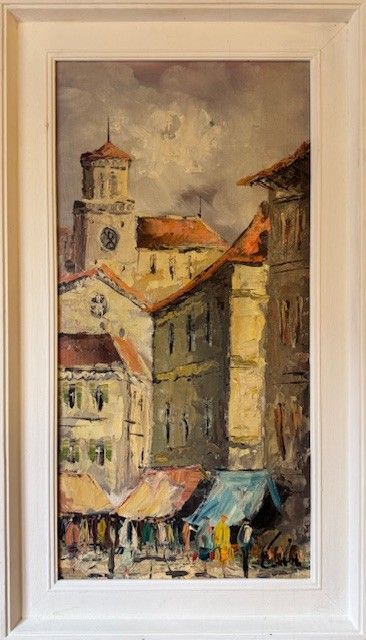
When buyers search for 1960s wall art, they encounter a diverse selection of paintings, prints, and fine art pieces created during a transformative decade in design and culture. The selection includes original oil paintings, gouache works, watercolours, and lithographs spanning various regional movements.
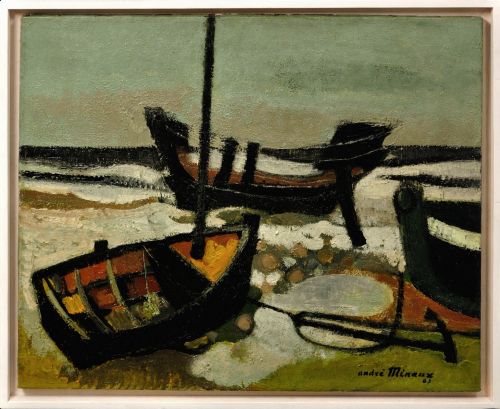
Most pieces on this page lean towards mid-century modernism, impressionism, and abstract styles. Buyers will frequently find figurative scenes, landscapes, cityscapes, and bold geometric op-art compositions originating from British, French, and wider European creators.
Materials and Techniques
The physical works rely heavily on oil paint applied to canvas or wood panels, often utilising thick impasto textures to build depth and movement. Water-based media such as gouache and pastel appear frequently on paper supports, alongside traditional lithography and woodcut printing techniques.
Artists of the period also worked with charcoal and pencil on paper for detailed portraiture and preliminary studies. Framing materials typically consist of wood, incorporating glass protection for works on paper and canvas.
1960s Wall Art Retail Price Guide 2026
Typical asking prices for 1960s wall art among the pieces listed under this phrase on Sellingantiques today, from the lower quarter to the upper quarter. They describe what is for sale here now, not the wider market.
Some canvases preserve the spontaneous energy of children dressing up in fancy dress during quiet mid-century afternoons.
Assessing Quality
The distinction between ordinary and exceptional 1960s wall art rests on the confidence of the brushwork and the clarity of the composition. Stronger examples display deliberate control over colour relationships and distinctive handling of light and space.
Provenance and documentation also separate standard decorative items from works by established artists exhibited at institutions like the Royal Academy. The vitality of the mark-making and the preservation of the original medium dictate the standing of each individual piece.
Deidre Daines·Francis Bacon·Marc Chagall·John Rattenbury Skeaping·Lionel Horsnell·Tony Giles·Helen Layfield Bradley·Gabriel Dauchot·Amile Coppieters·Ron Folland·William Littlejohn·Noel Quintavalle·Christian Caillard·Sonia Delaunay·Terry Frost·William Ernst Burwell·Donald McIntyre·Dion Pears
The 1960s Wall Art Glossary
- Impasto
- A technique where paint is laid onto a surface in very thick layers, usually thick enough that the brush or painting-knife strokes are visible. This method adds a tactile, three-dimensional quality to the painted surface.
- Lithography
- A planographic printing process based on the property that oil and water do not mix, used extensively for producing original art prints. Artists draw directly onto a limestone slab or metal plate to create the master image.
- Op Art
- A style of visual art that uses optical illusions, employing abstract patterns with stark contrast and geometric shapes. These compositions often create a sense of movement or swelling on a flat plane.
- Gouache
- An opaque water-based paint consisting of pigment, water, and a binding agent such as gum arabic. It dries to a flat, matte finish and allows for vibrant colour blocking.
- Woodcut
- A relief printing technique where an artist carves an image into the surface of a block of wood, leaving the printing parts level with the surface while removing the non-printing areas.
1960s Wall Art: Frequently Asked Questions
What defines 1960s wall art?
These works encompass mid-century modernist, impressionist, and abstract pieces produced across Europe during a dynamic period of artistic experimentation. They capture the evolving aesthetic preferences of the decade through varied media.
Buyers encounter everything from large canvas oil paintings to delicate works on paper, reflecting both mainstream gallery movements and outsider art traditions.
How do I care for vintage paintings?
Preserving vintage art requires keeping pieces away from direct sunlight and maintaining stable indoor humidity levels to protect canvas and paper. Gentle dusting with a soft, dry cloth is usually sufficient for maintenance.
Avoid using liquid cleaners or chemical solvents on painted surfaces, and consult a professional conservator if structural repairs to the canvas or frame become necessary.
Are these artworks original pieces?
The selection includes a mixture of unique hand-painted works in oil, gouache, and watercolour, alongside original limited-edition prints and lithographs. Each listing specifies the exact medium used by the artist.
Signed works and pieces with documented exhibition histories offer direct links to the period production methods and individual creator output.
How do I choose the right size?
Selecting the correct piece depends on available wall space and the proportions of the surrounding room. Large canvases work well as focal points above furniture, while smaller works suit intimate spaces or gallery walls.
Consider the visual weight of the frame and the palette of the artwork to ensure harmony with your existing interior decor.