




1960s Painting
When buying a 1960s painting, you acquire mid-century creative energy through canvas, oil, and watercolour.
1960s Painting
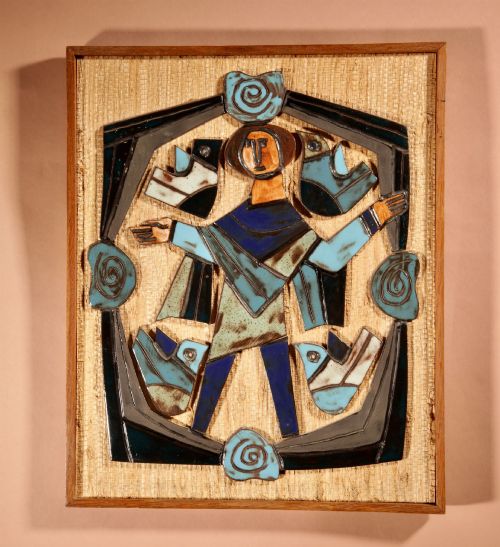
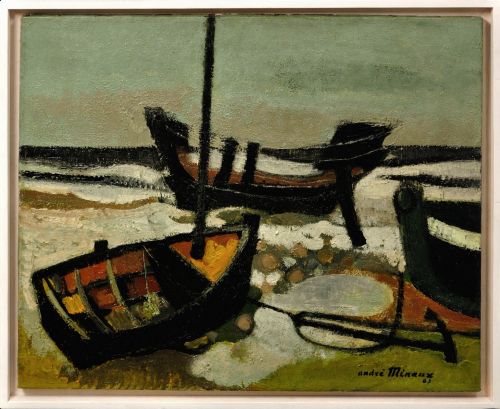
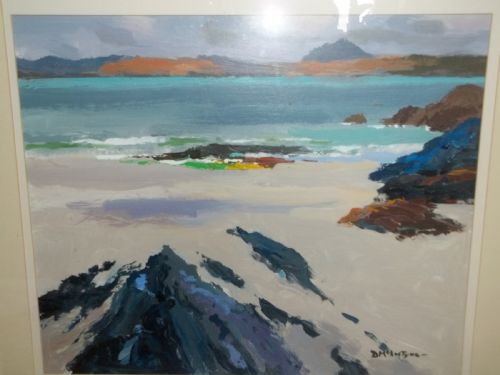
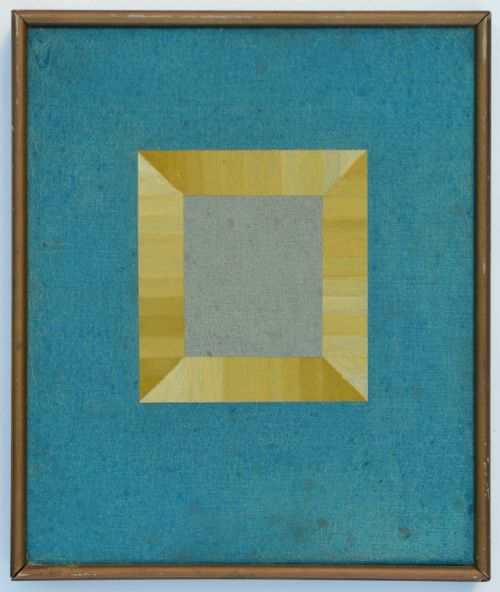
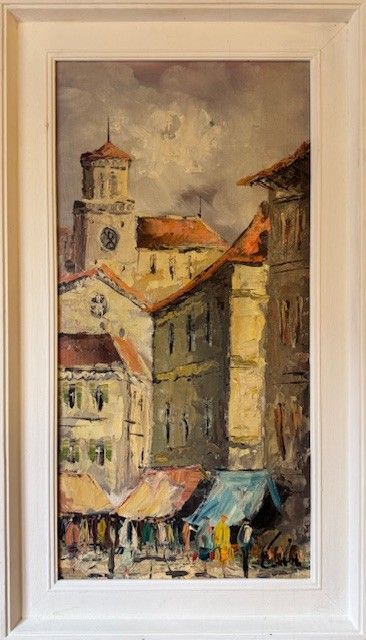
A 1960s painting captures the mid-century shift towards abstraction, bold impasto texture, and expressive mark-making on canvas or paper. Buyers looking for a 1960s painting will encounter works ranging from British landscape and figurative studies to French expressionism and geometric op art.
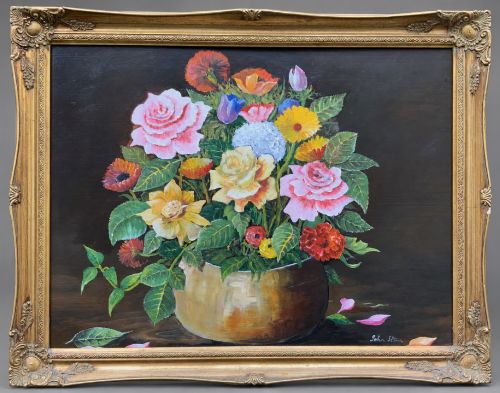
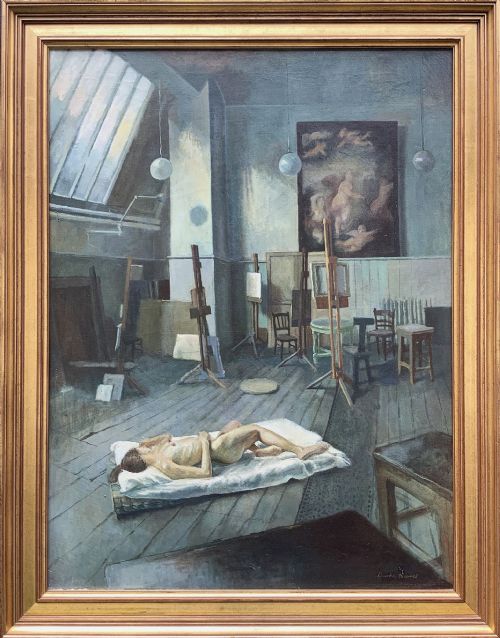
The selections on this page lean heavily into mid-century modernism, naive art, and impressionist cityscapes. These pieces reflect the varied aesthetic currents active across Britain and Europe during the middle decades of the twentieth century.
How they were made
Artists of this period primarily utilised oil paint and watercolour on stretched canvas, wood panels, or paper supports. Heavy impasto technique was frequently applied with palette knives to build up tactile surface texture and depth.
Mixed media and gouache also appear alongside traditional oil formulations, supporting both tight figurative precision and looser abstract expression.
1960s Painting Retail Price Guide 2026
Typical asking prices for 1960s painting among the pieces listed under this phrase on Sellingantiques today, from the lower quarter to the upper quarter. They describe what is for sale here now, not the wider market.
Represented artistic movements span mid-century modernism, naive art, French expressionism, and optical art.
What varies in quality
Quality rests upon compositional confidence, the handling of light and pigment, and the distinctiveness of the maker's hand. Works displaying assured brushwork and balanced colour relationships sit distinctly apart from derivative examples.
The strength of provenance and documentation also elevates certain pieces, particularly those tied to exhibited artists or specific regional schools of painting.
Deidre Daines·Robert Jacks·Donald McIntyre·John Rattenbury Skeaping·Lionel Horsnell·Tony Giles·Elisabeth Frink·Helen Layfield Bradley·Raymond Picque·Gabriel Dauchot·Amile Coppieters·Ron Folland·William Littlejohn·Noel Quintavalle·Christian Caillard·William Ernst Burwell
The 1960s Painting Glossary
- Impasto
- Paint applied thickly to a canvas or panel, standing out in relief so that the marks of the brush or palette knife remain clearly visible. This technique introduces physical depth and texture to the picture plane.
- Op art
- A style of visual art that uses optical illusions, employing abstract patterns with stark contrasting colour arrangements. Such geometric compositions gained international prominence during the 1960s.
- Naive art
- Artwork created by an individual without formal academic training, often characterised by a childlike perspective and direct approach to perspective. These pieces rely on intuitive colour choices rather than strict academic rules.
- Gouache
- An opaque water-based pigment that dries to a smooth, matte finish. It allows for solid blocks of colour and precise linear detail on paper supports.
1960s Painting: Frequently Asked Questions
What defines a 1960s painting?
These works reflect the artistic experiments of the mid-twentieth century, moving between expressive figuration and bold abstraction.
They capture specific regional styles from British coastal scenes to continental European modernism.
How should I hang these paintings?
Consider placing them on neutral walls where their distinct palettes and textures can stand out without visual competition.
Keep them away from direct sunlight to protect traditional oil and watercolour pigments from fading.
How do I identify the period?
Look for stylistic markers such as mid-century abstraction, vibrant impasto application, and characteristic framing methods.
Signatures, dates on the reverse, and artist biographies further anchor the timeline.
What subjects were popular?
Artists focused on a wide spectrum of subjects including abstract cityscapes, equestrian scenes, coastal landscapes, and floral still lifes.
Figurative nude studies and narrative interiors also featured prominently among mid-century creators.