

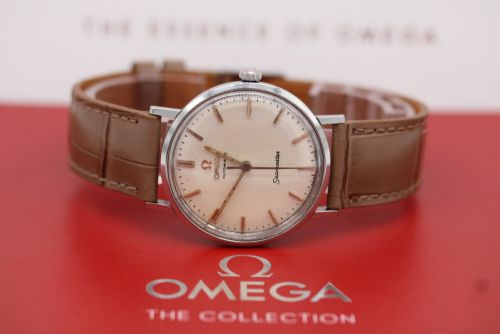
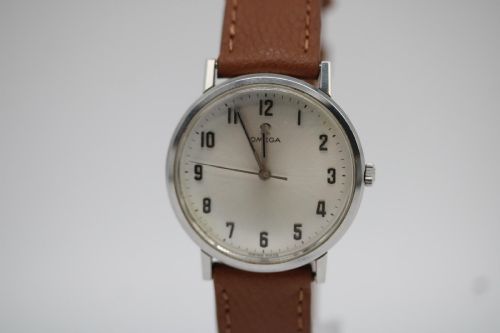
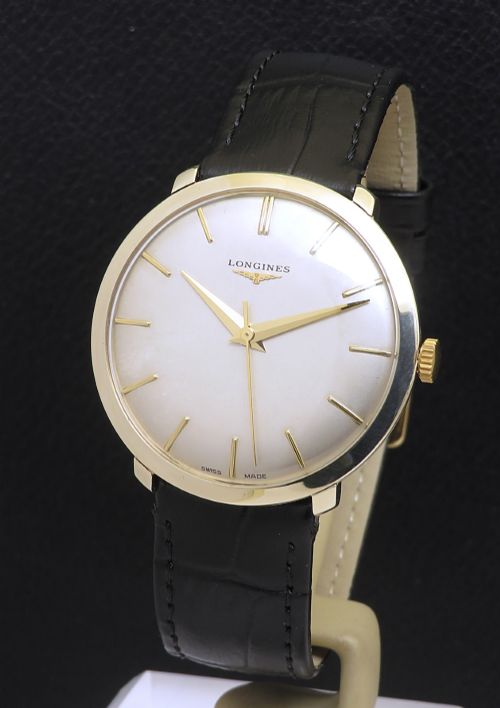
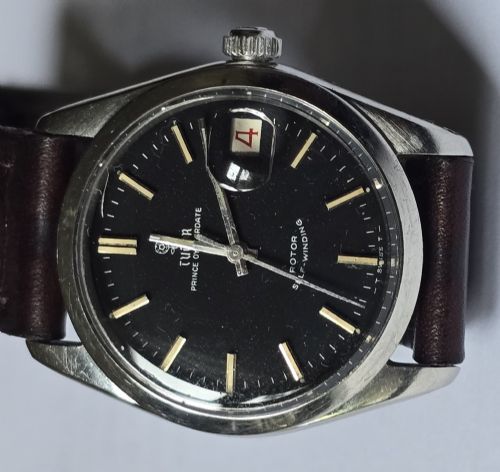
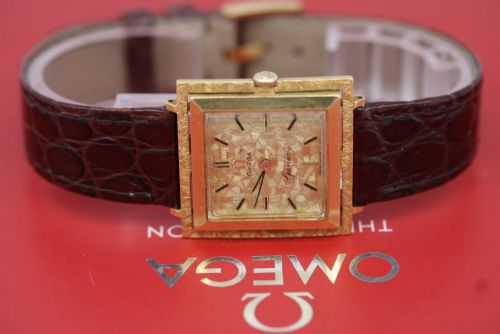
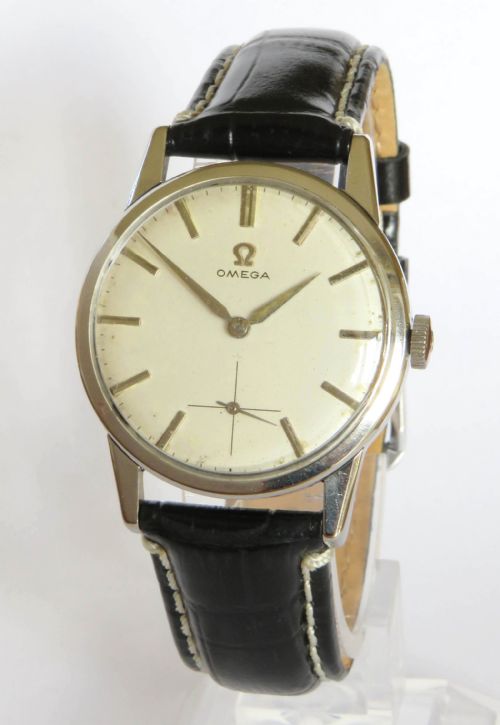
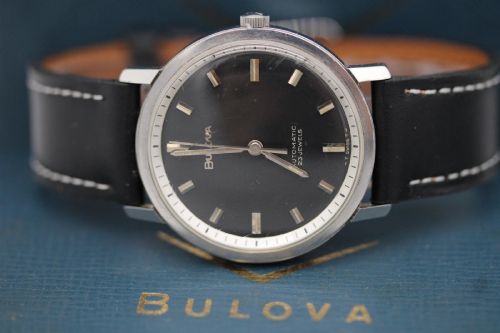
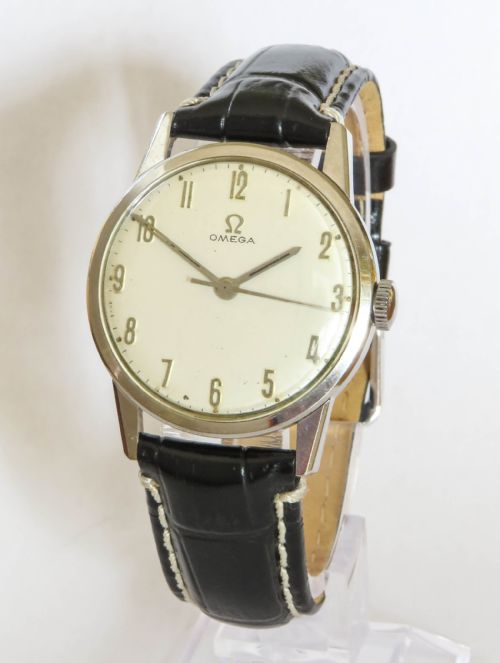
1960s Mechanical Timepiece
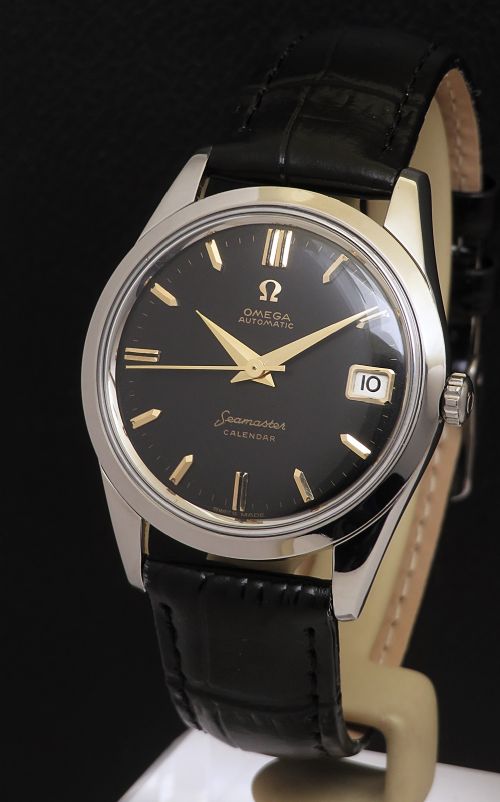
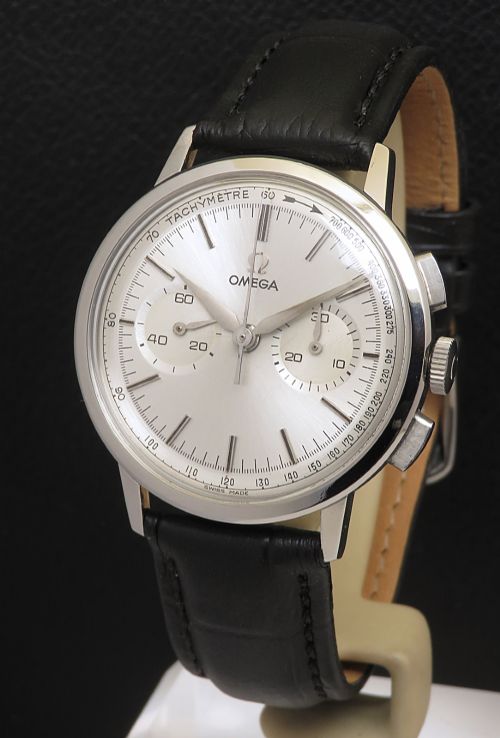
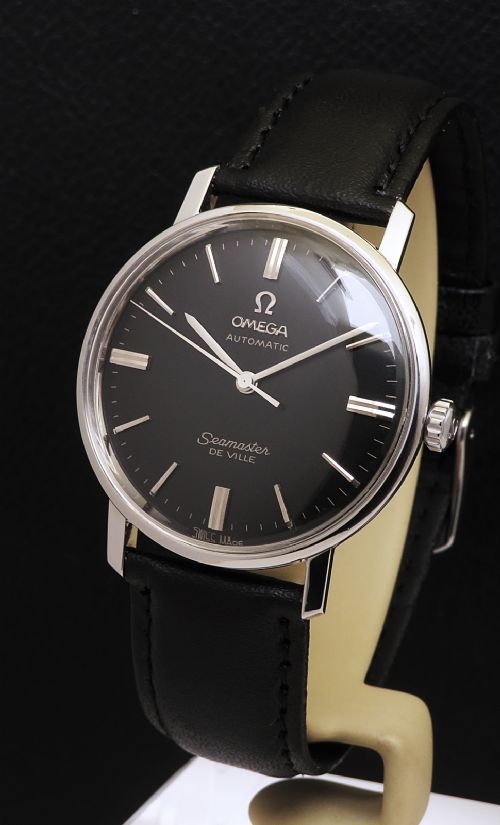
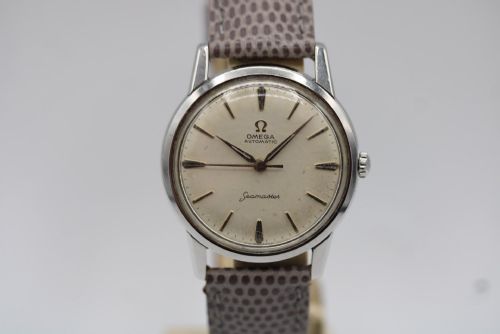
A 1960s mechanical timepiece brings precision engineering and distinct mid-century style directly to the wrist or mantel.
1960s Mechanical Timepiece
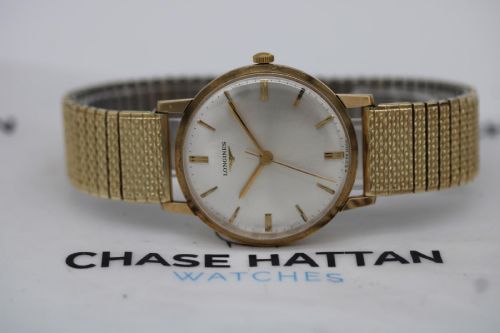
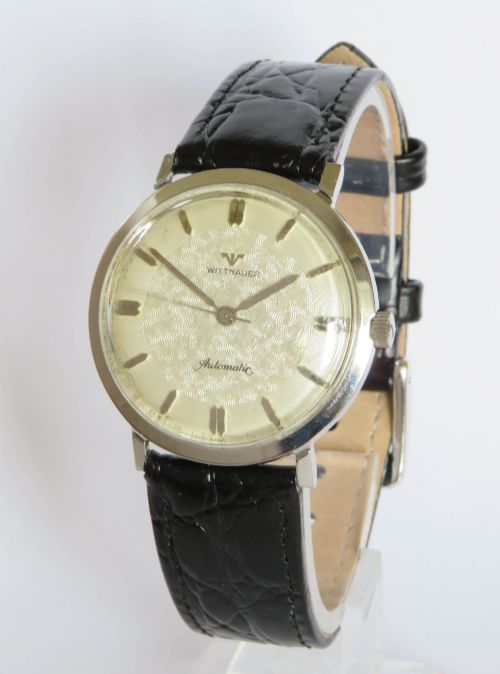
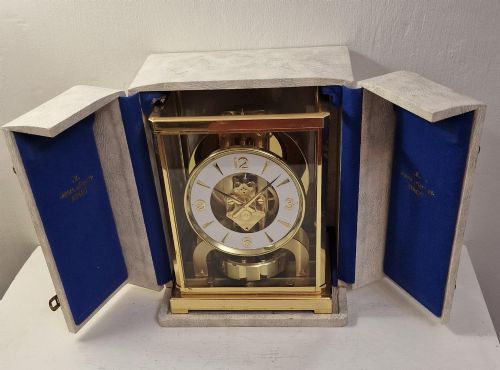
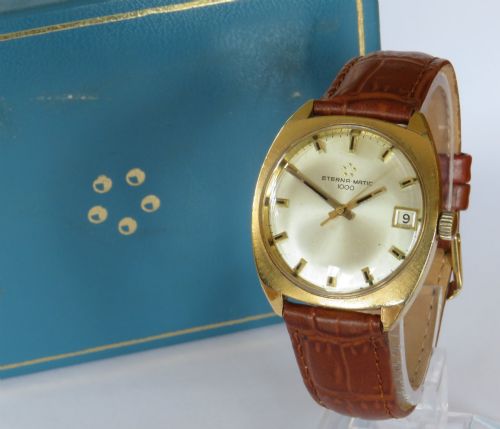
A 1960s mechanical timepiece encompasses wristwatches, pocket-adjacent styles, and mantle clocks driven by springs and gear trains rather than quartz batteries. The selection here leans heavily towards men's and ladies' wristwatches alongside occasional table clocks.
Makers from this era produced these objects during periods defined by Mid-Century Modern and industrial design trends. Buyers encounter stainless steel cases, solid gold constructions, and leather straps from brands operating in Britain and across international workshops.
Most examples originate from the middle years of the twentieth century, specifically spanning the nineteen-fifties and nineteen-sixties. The format ranges from robust automatic chronometers to slim dress watches intended for daily wear or formal occasions.
How They Were Made
Horologists constructed these mechanisms using brass for internal plates and delicate steel gears, housed within cases formed from stainless steel, solid 9ct gold, or 18ct white gold. Manufacturers integrated acrylic or glass crystals to protect the dials, often pairing them with leather straps or matching metallic bracelets.
Techniques relied on manual wind and automatic movements driven by internal springs and weighted rotors. Dials received printed markers, applied metal indices, and sometimes textured finishes such as patinated surfaces or diamond embellishments.
1960s Mechanical Timepiece Retail Price Guide 2026
Typical asking prices for 1960s mechanical timepiece among the pieces listed under this phrase on Sellingantiques today, from the lower quarter to the upper quarter. They describe what is for sale here now, not the wider market.
Object forms span wristwatches, watches, mantel clocks, clocks, wrist watches, and table clocks from mid-century periods.
What Varies in Quality
The standard of execution depends on the grade of the movement, such as adjusted chronometer calibres compared to standard time-only mechanisms. Superior examples retain original dials, correct signed crowns, and factory finishes without heavy restoration.
Material choice dictates the baseline tier, moving from gold-plated brass to solid 9ct or 18ct white gold housings. The presence of original fitted boxes, papers, and specific reference numbers elevates the completeness of the item.
Omega·Tudor·Cyma·Bulova·Gruen·Longines·Certina·Smiths Astral·Zenith·Eterna·Girard Perregaux·Tissot·Belair·Felca·Garrard
The 1960s Mechanical Timepiece Glossary
- Automatic
- A self-winding mechanical movement that uses a weighted rotor to tension the mainspring during normal wrist movement.
- Chronometer
- A high-precision timepiece that has been tested and certified to meet strict accuracy standards under various conditions.
- Calibre
- The specific manufacturer's designation for a particular watch movement design.
- Dial
- The visible face of the timepiece that displays the hours, minutes, and sometimes secondary complications through printed or applied markers.
- Manual wind
- A mechanical movement requiring the user to manually turn the crown to wind the mainspring.
1960s Mechanical Timepiece: Frequently Asked Questions
How do I wind a manual timepiece?
Gently rotate the crown clockwise between your thumb and forefinger until you feel resistance.
Stop immediately at that point to avoid damaging the internal mainspring.
Can I wear my vintage watch daily?
Many of these pieces were built for daily use and handle regular wear well when properly maintained.
However, older mechanical movements lack modern water resistance and shock protection, so care is needed.
How do I identify the production year?
Makers often stamped serial numbers onto the inside case back or the movement itself.
Reference charts specific to each maker help match those numbers to production decades.