





1960s Gold Ring
A 1960s gold ring brings mid-century character and substance to the hand through varied gemstones and heavy metal work.
1960s Gold Ring
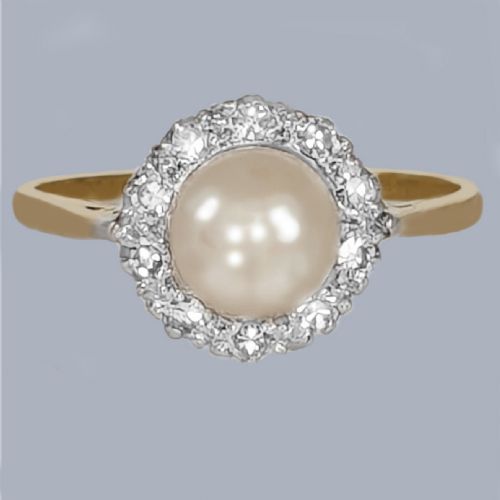
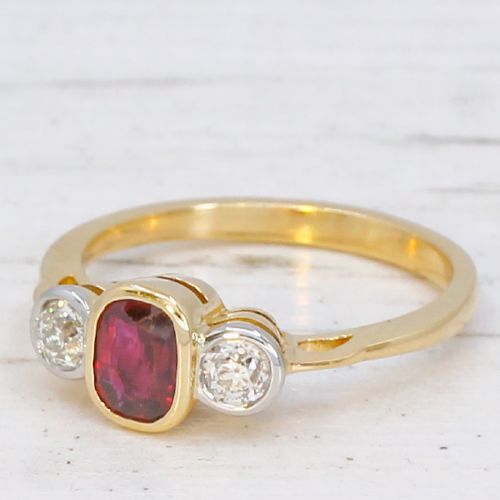
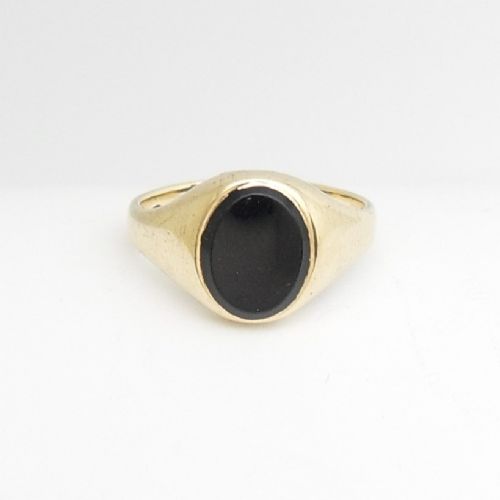
When you search for a 1960s gold ring, you encounter substantial cocktail pieces, classic cluster settings, and plain wedding bands. The examples available on this page lean heavily into mid-century design, with occasional pieces pulling from Edwardian styles.
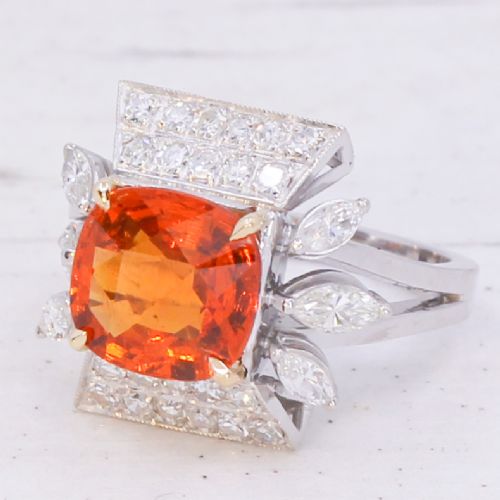
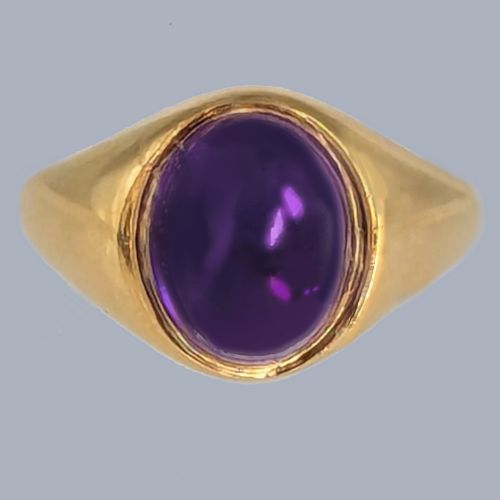
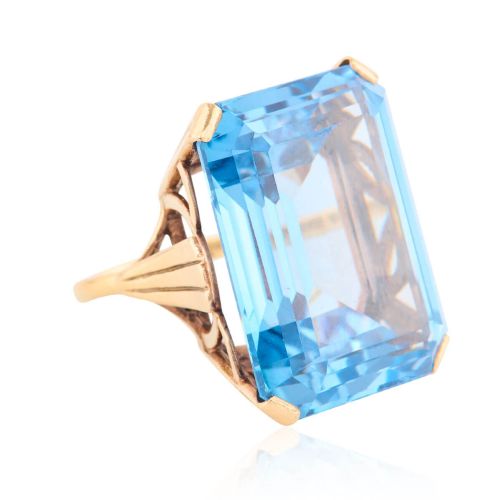
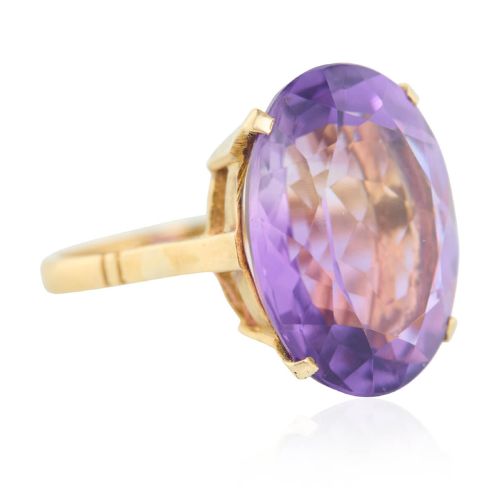
Gemstone choices shape the visual weight of these rings significantly. Amethyst, sapphire, opal, turquoise, and diamond appear alongside blue paste and glass, mounted in gold bands that range from delicate widths to heavy, hallmarked mountings.
Materials and Techniques
The goldsmiths of this decade utilised various purities of the metal, running from nine-carat up to twenty-two-carat yellow gold, alongside white gold settings. Stones are claw-set, bezel-set, or clustered tightly to maximise the play of light across the facets and cabochons.
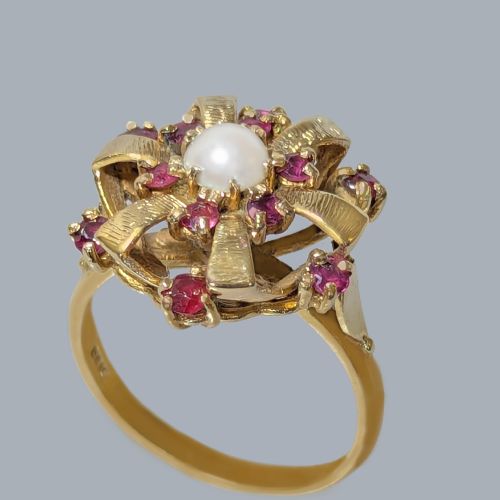
Construction relies on traditional casting and hand-finished detailing, including rope work surrounds and textured metal surfaces. Hallmarks stamped into the shanks provide clear records of assay offices and exact dates of manufacture.
1960s Gold Ring Retail Price Guide 2026
Typical asking prices for 1960s gold ring among the pieces listed under this phrase on Sellingantiques today, from the lower quarter to the upper quarter. They describe what is for sale here now, not the wider market.
Listings demonstrate that nineteen-sixties gold rings combine nine-carat, eighteen-carat, and twenty-two-carat gold with diamonds, amethysts, opals, pearls, and turquoise.
Evaluating Quality in Mid-Century Rings
The distinction between standard commercial output and exceptional studio work lies in the weight of the gold and the originality of the design. Heavier shank construction and substantial gram weights signal a higher grade of manufacture.
Setting precision and stone selection separate ordinary rings from remarkable ones. Tightly matched diamond clusters and large, clean cabochon amethysts elevate the piece far above simple mass-produced items.
Andrew Grima·Niels Erik From·Boucheron·Tiffany and Co·Jean Schlumberger·Cartier·Georg Jensen·Julius Cohen
The 1960s Gold Ring Glossary
- Hallmark
- Official marks stamped into metal indicating purity, assay office, and year of manufacture. These small punches offer reliable clues to the origin of the piece.
- Cabochon
- A gemstone shaped and polished with a smooth, rounded surface rather than faceted. This cut suits stones like amethyst, opal, and turquoise found in mid-century designs.
- Cluster
- An arrangement of smaller gemstones grouped tightly around a central stone or motif. This setting style creates maximum visual impact on the finger.
- Paste
- Hand-cut glass used to imitate gemstones in historical jewellery. Blue paste appears in dress rings to replicate the deep hue of sapphires.
- Shank
- The circular band of a ring that fits around the finger. Mid-century rings often feature thick, substantial shanks marked by high gold purities.
1960s Gold Ring: Frequently Asked Questions
How do I know my ring is from the sixties?
Assay office hallmarks stamped inside the gold band provide definitive years of creation. Stylistic cues like heavy rope work and organic mid-century shapes also point to this decade.
Matching the design elements with recorded hallmarks ensures accurate dating without relying solely on visual appearance.
What gold purities were used then?
Goldsmiths worked across a wide spectrum of gold purities during this period. Listings show nine-carat, fourteen-carat, eighteen-carat, and twenty-two-carat yellow and white gold.
Higher carat figures indicate a greater proportion of pure gold in the alloy, resulting in a richer colour and softer metal.
Are these rings suitable for daily wear?
Sturdy metal construction and secure stone settings allow many of these pieces to withstand regular use. Twenty-two-carat bands and heavy nine-carat mountings offer good durability.
Care should be taken with softer stones like opal or turquoise, which require more gentle treatment than diamonds.
How do cluster and cocktail rings differ?
Cluster rings arrange multiple small gems around a central point, creating a dense floral or geometric pattern. Cocktail rings are generally larger, bolder statement pieces designed for evening wear.
Both styles were prominent in mid-century jewellery design, utilising amethysts, diamonds, and pearls.