



1960s Gents Wristwatch
A 1960s gents wristwatch combines mid-century design with mechanical precision, offering a practical piece of history for daily wear.
1960s Gents Wristwatch
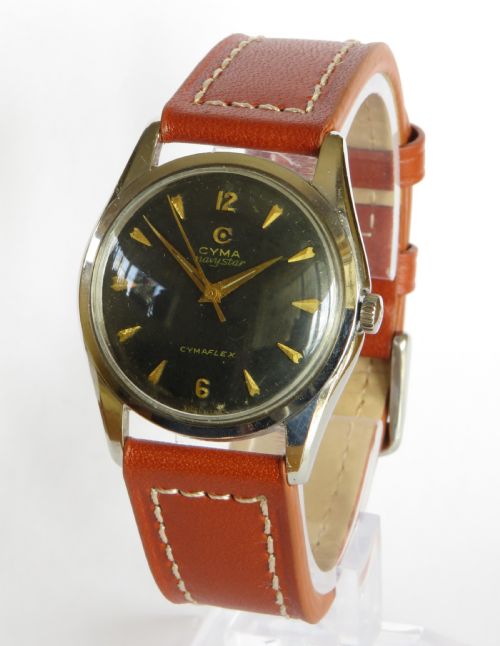
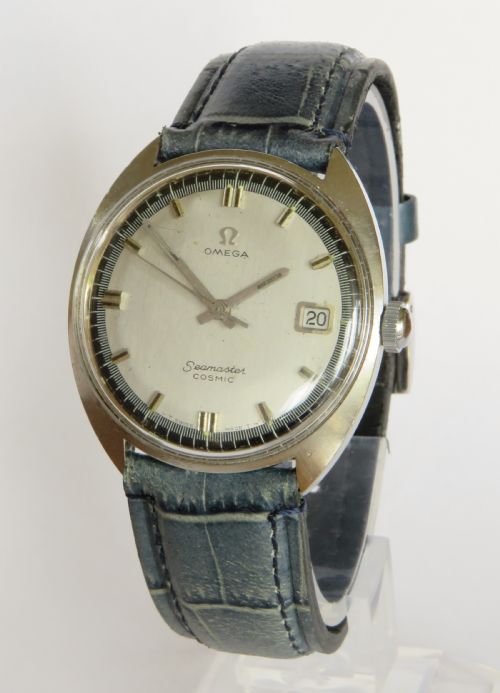
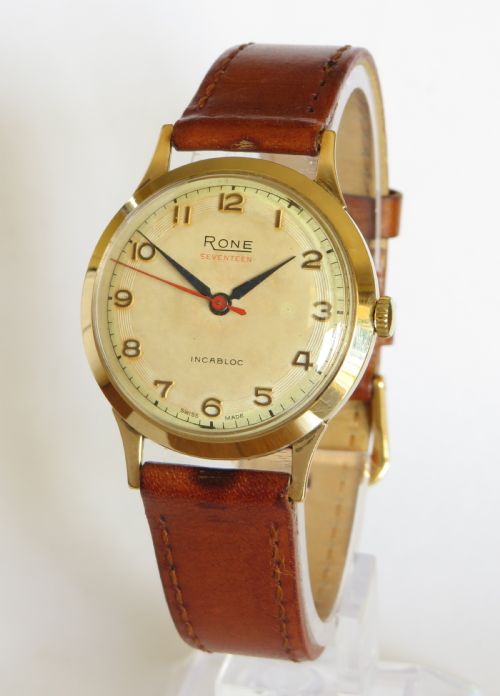
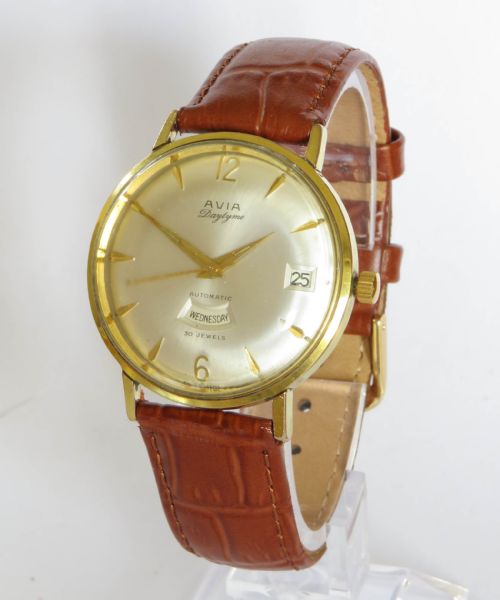
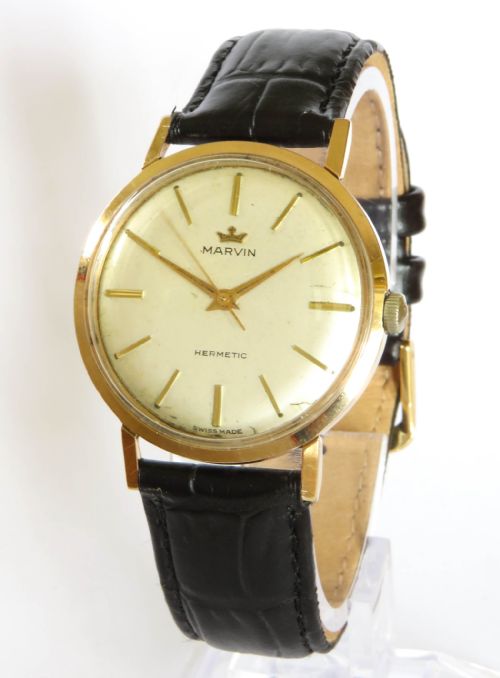
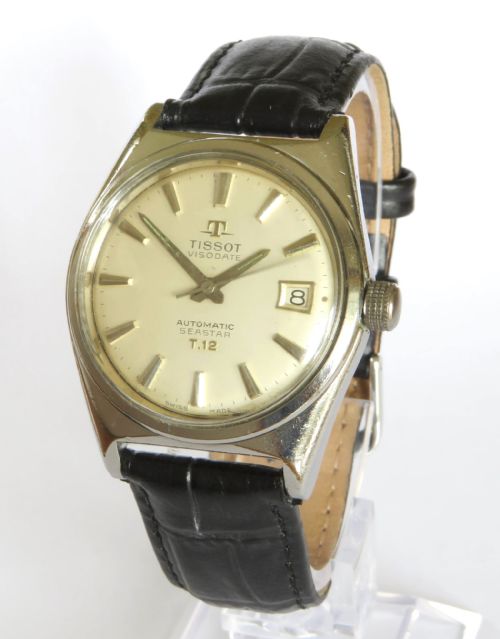
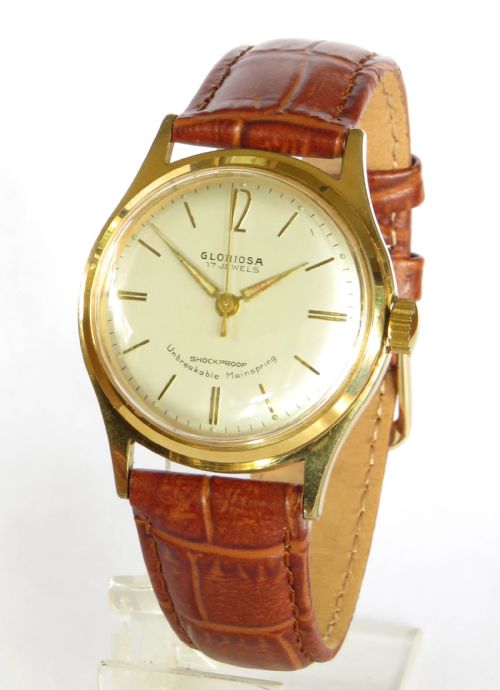
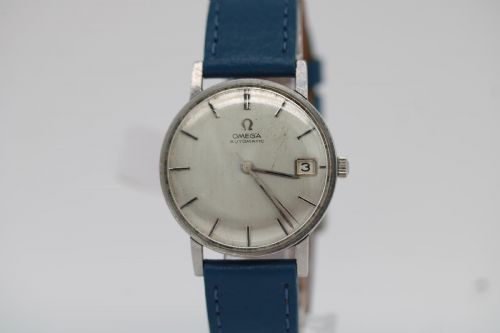
A 1960s gents wristwatch is a mechanical timepiece designed for men during the mid-century period, reflecting the practical aesthetics of the era. These items appear primarily in stainless steel or gold, often housing automatic or manual movements.
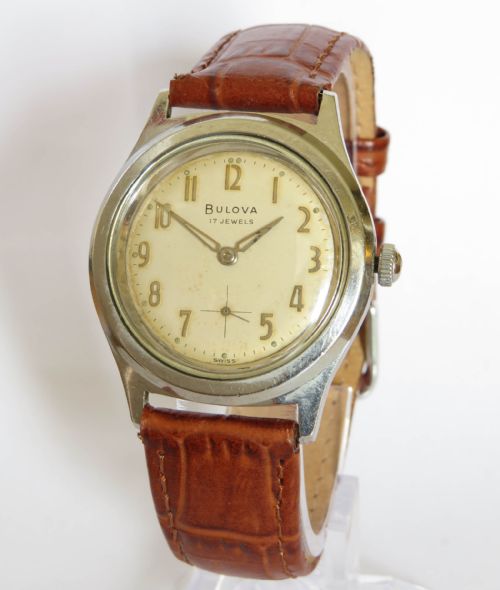
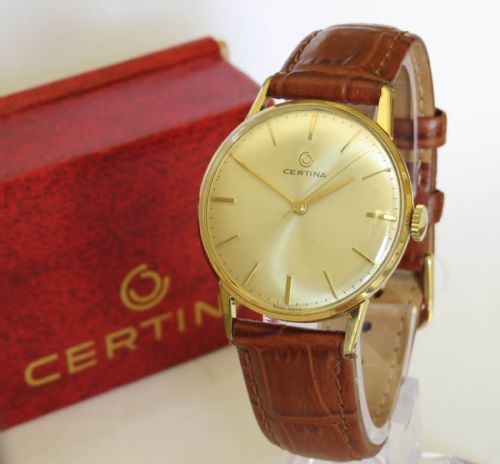
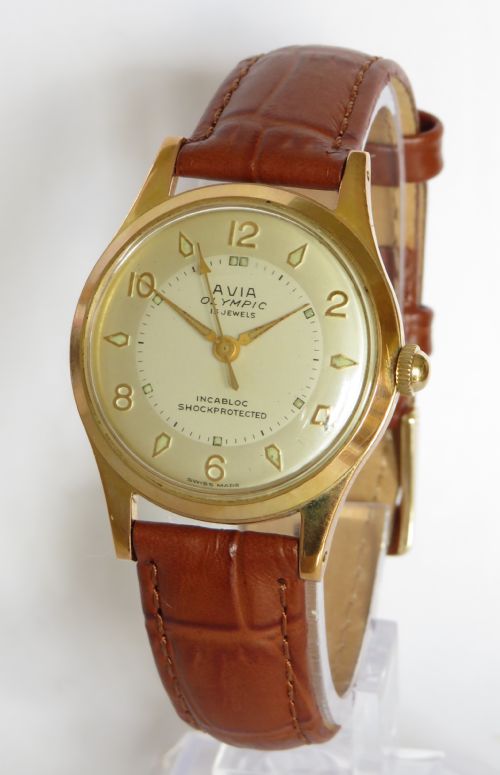
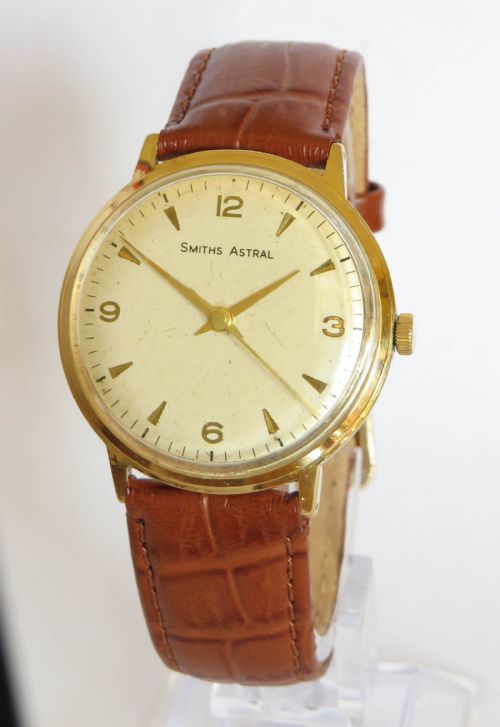
Buyers encountering this selection will frequently find recognisable names such as Omega, Smiths, and Avia. These objects served as daily instruments for timekeeping, leading to varied survivorship in terms of dial legibility and case preservation.
The objects span styles identified as mid-century and mid-century modern, showcasing clean dial layouts and straightforward numerals. Most examples retain their original character through period straps made from leather.
Materials and construction methods
Cases of the period utilise stainless steel, gold plate, or solid nine-carat gold, paired with glass or acrylic crystals to protect the dial. These metallic housings were machined to protect internal movements from dust and daily moisture.
Dials frequently feature applied metal markers and minute tracks set beneath clear glass or acrylic covers. Straps constructed from leather or occasionally metal bracelets complete the physical assembly of each watch.
Internal mechanical calibres utilise jewelled bearings to reduce friction in the gear train. These movements rely on manual winding or automatic weighting systems driven by the motion of the wrist.
Listings feature pieces spanning the 1950 and 1960 periods, constructed in stainless steel, gold, and leather.
Variations in quality
The grade of a 1960s gents wristwatch often rests upon the sophistication of its movement, ranging from standard unadjusted calibres to high-jewel automatic mechanisms produced by established makers. More complex movements provide greater timekeeping stability.
Case material significantly dictates the tier of the piece, with solid nine-carat gold housings representing a higher echelon than gold plate or stainless steel alternatives. The preservation of original dial printing and unpolished case edges further distinguishes finer examples.
Cyma·Omega·Rone·Avia·Seiko·Marvin·Tissot·Bulova·Certina·Smiths·Zenith·Eterna·Girard Perregaux·Garrard·Invicta·Felca·Mappin·Consul·Longines·Atlantic·Oris·Accurist·Rotary
The 1960s Gents Wristwatch Glossary
- Automatic
- A self-winding mechanical movement that uses a weighted rotor to wind the mainspring through natural wrist motion. This system removes the need for daily manual winding.
- Calibre
- The specific manufacturer's designation for a particular watch movement design. Collectors use this term to identify the internal mechanics regardless of the outer case.
- Acrylic
- A lightweight transparent plastic material utilised for watch crystals during the mid-century period. It offers flexibility and can be polished to remove surface scratches.
- Jewels
- Synthetic rubies or sapphires placed at pivot points within a movement to reduce friction and wear. Higher jewel counts typically indicate a more refined mechanical calibre.
1960s Gents Wristwatch: Frequently Asked Questions
How do I wind a manual 1960s gents wristwatch?
Turn the crown clockwise between your thumb and forefinger until slight resistance indicates the mainspring is fully tensioned.
Avoid forcing the crown past this point to prevent damage to the internal mechanism.
Are these wristwatches waterproof?
Most pieces from this decade lack modern water resistance seals and should be kept away from moisture and immersion.
Condensation can form beneath the acrylic glass if exposed to water during daily wear.
Can I wear a vintage watch every day?
Many buyers wear these timepieces daily, provided the mechanical movement receives routine servicing by a watchmaker.
Gentle care ensures the vintage leather straps and metal cases endure regular use.
How do automatic movements function without a battery?
An internal weighted rotor spins freely as the wearer moves their arm, transferring kinetic energy to wind the mainspring.
This continuous motion keeps the mechanical calibre operating throughout the day.