


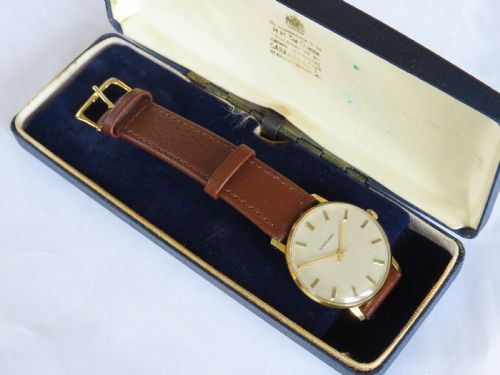


1960s Gents Gold Watch
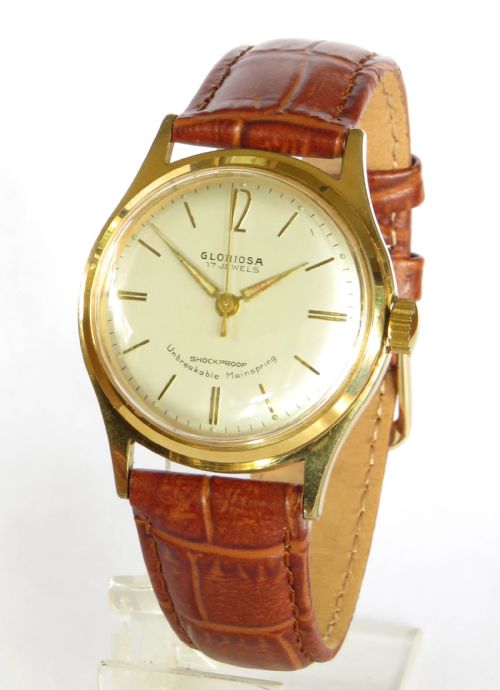
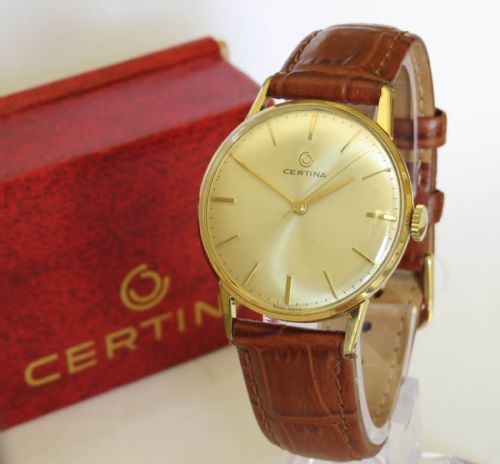
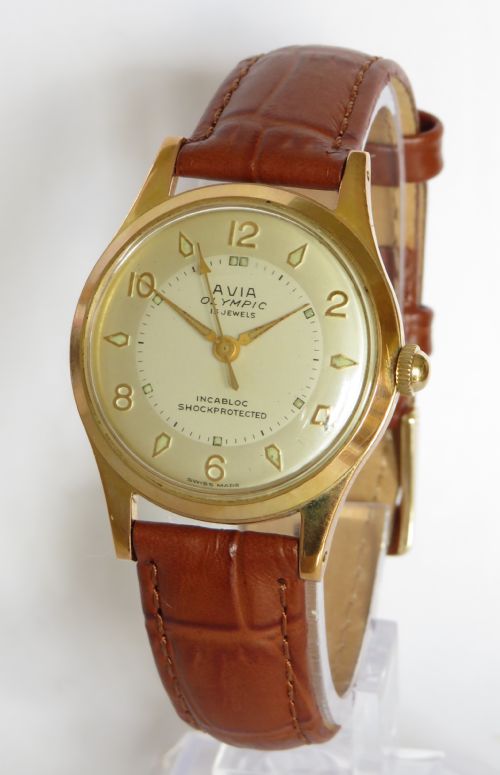
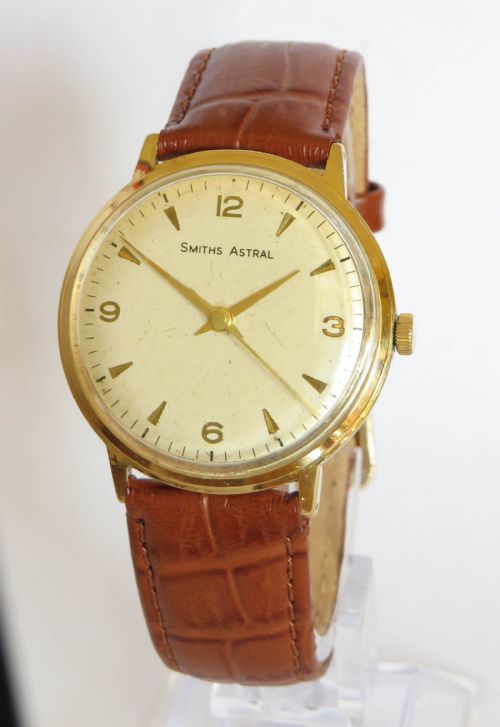
A 1960s gents gold watch brings mid-century mechanical design to the wrist with understated elegance.
1960s Gents Gold Watch
A 1960s gents gold watch represents the refined wristwatches produced during the mid-century period for everyday wear. These pieces span standard mechanical movements and automatic calibres housed in precious metals or plated finishes.
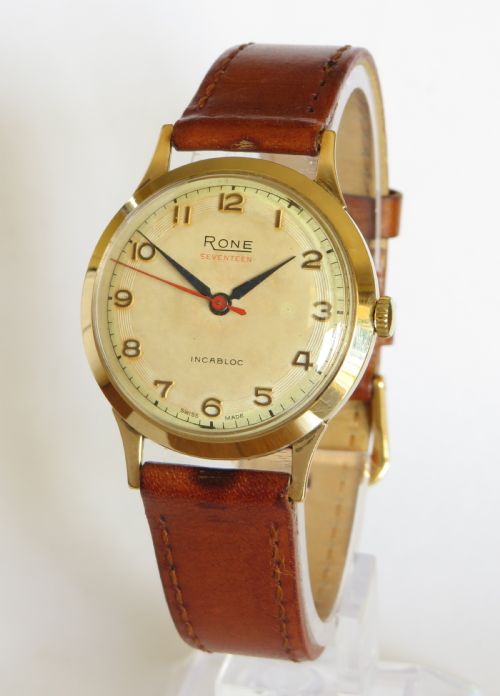
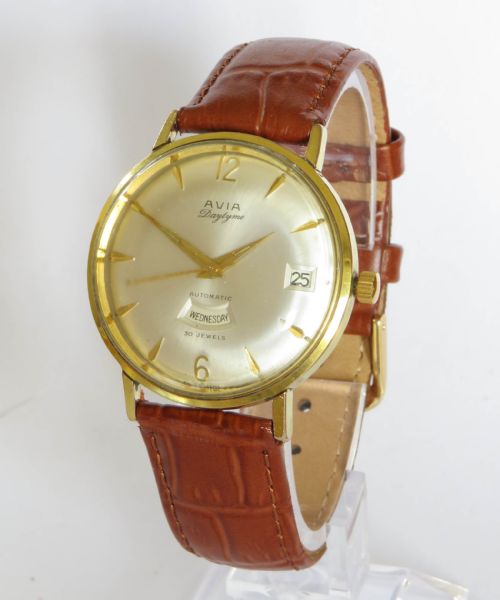
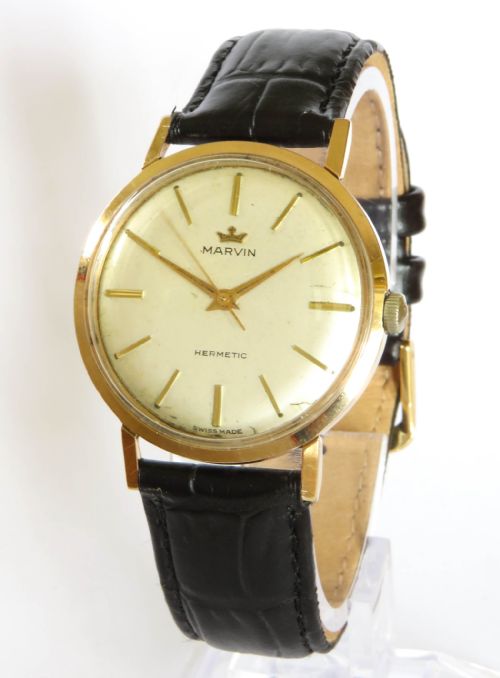
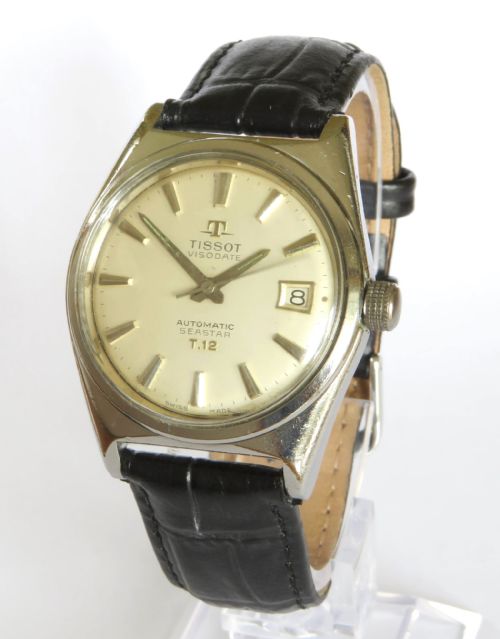
The most common examples on this page are mid-century wristwatches featuring circular or tonneau cases paired with traditional leather straps. Makers from this era range from Swiss houses to British retailers marking local watches.
Materials and construction
Cases utilise solid 9ct gold, gold plate, and stainless steel, paired with acrylic crystals protecting the dial. Leather and velvet feature primarily on the accompanying straps rather than the watch heads themselves.
Movements are mechanical or automatic, driven by intricate gear trains and jewelled pivots developed to ensure timekeeping accuracy. Glass and acrylic cover the dials, sealing the delicate hands and markers against dust.
Some models proudly boasted hermetic seals, suggesting they could survive an encounter with kitchen steam or an unexpected thunderstorm.
Quality distinctions
The division between standard production pieces and finer examples rests in the movement complexity and case material. Solid gold housings and automatic self-winding calibres sit above plated cases with basic hand-wound movements.
Dial preservation and case sharpness dictate the desirability of a watch. Crisp typography on the dial and unpolished edges on the metal indicate careful preservation over the decades.
Rone·Avia·Marvin·Tissot·Certina·Smiths Astral·Zenith·Ensign·Eterna-Matic·Garrard·Omega·Felca·Mappin·Technos·Consul·Longines·Orfina
The 1960s Gents Gold Watch Glossary
- Automatic
- A mechanical movement that winds itself using the natural motion of the wearer's wrist via an internal rotor. This system removes the need for daily manual winding.
- Chronograph
- A watch equipped with a stopwatch function alongside the standard time display. Sub-dials track elapsed seconds and minutes.
- Calibre
- The specific internal movement design manufactured by a watchmaker. Different calibres denote distinct mechanical layouts and levels of precision.
- Acrylic
- A lightweight, shatter-resistant plastic material commonly used for watch crystals during the mid-century period. It can be easily polished to remove minor surface scratches.
1960s Gents Gold Watch: Frequently Asked Questions
Are these watches waterproof?
Mid-century wristwatches offer very limited resistance to moisture compared to modern standards. Splashes or rain can bypass aged crown seals and crystals.
Keep these pieces away from water entirely to protect the vintage movement and dial from corrosion.
How often should a 1960s watch be serviced?
Mechanical and automatic movements require periodic cleaning and lubrication of their internal gears. A professional service every few years ensures the oils do not dry out.
Regular maintenance prevents excessive wear on the delicate pivots and jewelled bearings inside the watch.
Can I replace the leather strap?
Straps on vintage wristwatches are frequently replaced to match the owner's preference or because the original material degraded. Standard leather straps fit most traditional mid-century lugs easily.
Choosing a strap in keeping with the period aesthetic maintains the intended visual balance of the piece.
What is the difference between manual and automatic?
Manual mechanical watches require the wearer to turn the crown by hand to tension the mainspring daily. Automatic watches wind themselves autonomously through the movement of the arm.
Both systems rely on traditional gears and springs rather than batteries or electronic circuits.