





1960s Framed Painting
These 1960s framed painting selections capture mid-century expression and modern British vitality, bringing period colour and confident brushwork directly into contemporary spaces.
1960s Framed Painting
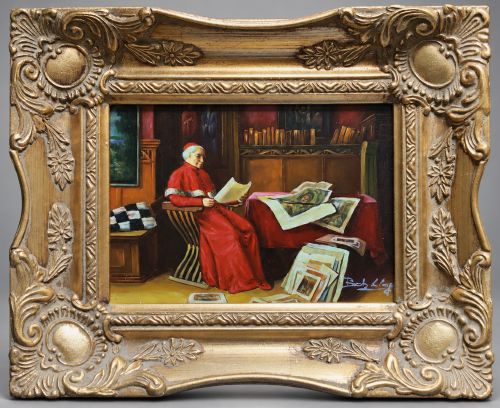
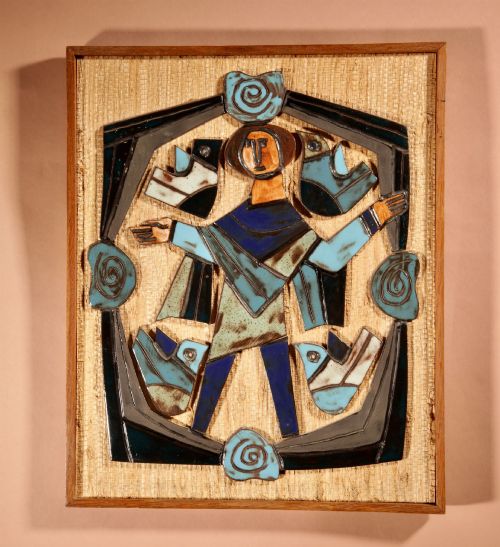
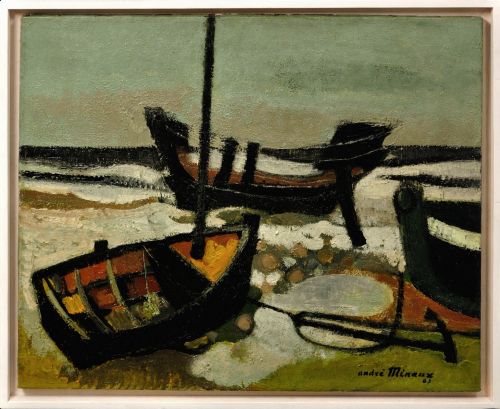
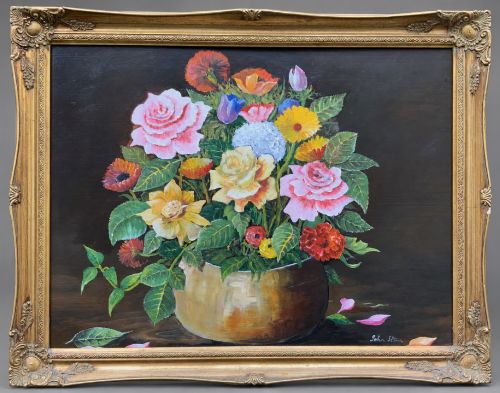
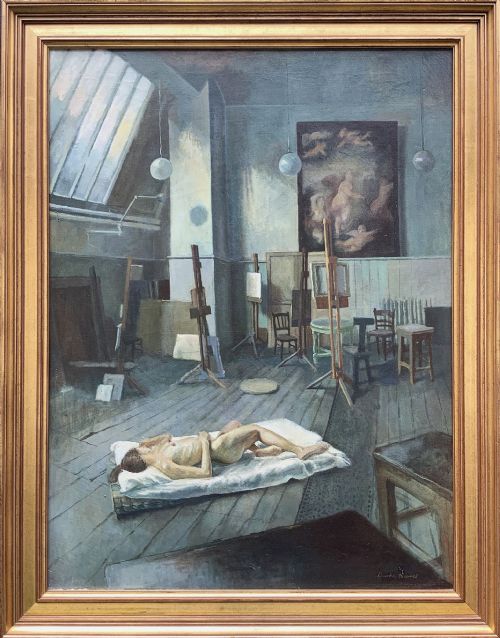
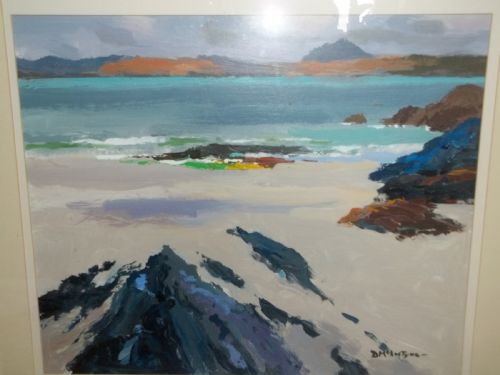
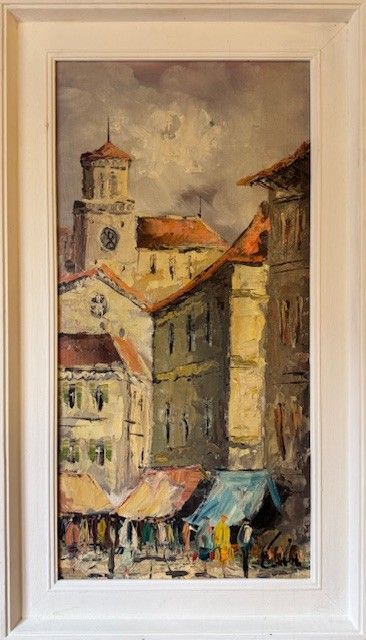
A 1960s framed painting typically presents as an oil on canvas, watercolour, or gouache, capturing landscapes, cityscapes, horse racing scenes, and still life compositions. These works embody mid-century modernism, French expressionism, and naive art traditions from British and continental European artists.
The most common pieces on this page are mid-century impressionist and modernist oils, often mounted in wood and gilt frames that complement the bold palettes of the period. Subject matter ranges from quiet coastal views and rural farmyards to dynamic urban streetscapes and intimate figure studies.
Works on this page connect collectors to established mid-century movements, featuring signed compositions by known practitioners alongside atmospheric pieces by skilled contemporaries. Each item retains its period mounting, preserving the original presentation intended by the creator.
Materials and Techniques
Artists of this era relied heavily on oil paint applied to stretched canvas, frequently utilising thick impasto techniques to build tactile surfaces that catch the light. Watercolours and gouache on paper also appear frequently, often secured behind protective glass within traditional timber mouldings.
Frames play an integral structural and aesthetic role, constructed from wood and frequently finished with gilt highlights or painted surfaces suited to mid-century interiors. The combination of canvas, oil, and robust wooden framing ensures these works survive with their visual impact intact.
1960s Framed Painting Retail Price Guide 2026
Typical asking prices for 1960s framed painting among the pieces listed under this phrase on Sellingantiques today, from the lower quarter to the upper quarter. They describe what is for sale here now, not the wider market.
Several canvases capture horses mid-stride, proving that 1960s artists found as much thrill in the racetrack as they did in abstract still lifes.
Evaluating Quality
Quality in these works rests on the confidence of the brushwork and the internal harmony of the composition, where deliberate abstraction or impressionism demonstrates an artist's total command of medium. Stronger pieces reveal a surety of line and tonal balance that elevate them far above standard decorative items of the decade.
The integration of the frame with the artwork contributes significantly to the overall merit of a piece, with period-original mouldings enhancing the aesthetic cohesion. Documentation, signature clarity, and a recognised hand further distinguish exhibition-level works from anonymous studio pieces.
Deidre Daines·Donald McIntyre·John Rattenbury Skeaping·Lionel Horsnell·Tony Giles·Dame Elisabeth Frink·Helen Layfield Bradley·Raymond Picque·Gabriel Dauchot·Amile Coppieters·Ron Folland·William Littlejohn·Noel Quintavalle·William Ernst Burwell·Dion Pears
The 1960s Framed Painting Glossary
- Impasto
- Paint applied thickly to a canvas, standing out in relief from the plane so that the texture of the brush or palette knife remains visible. This technique adds physical depth and dynamism to mid-century canvases.
- Gouache
- An opaque water-based pigment mixed with a gum binder, producing a flat, matte colour surface. It frequently appears alongside watercolour in period works on paper.
- Naïve Art
- Work produced by a self-taught artist characterisable by a childlike simplicity in perspective and proportion. These pieces prioritize direct expression over academic rules.
- Mid-Century Modern
- The broad design movement spanning roughly from the mid-1930s to the mid-1960s, emphasising pared-down forms and vibrant abstraction. Paintings from this era reflect these clean, progressive aesthetics.
- Gilt
- A thin layer of gold leaf or gold paint applied to wooden frame mouldings. It provides a reflective border that frames the chromatic energy of the canvas within.
1960s Framed Painting: Frequently Asked Questions
How do I clean a framed oil painting?
Dust the canvas very gently with a soft, dry natural-hair brush to remove surface particles. Avoid using water, household cleaners, or damp cloths on the painted surface.
For the wooden frame, wipe gently with a dry microfiber cloth. Leave deeper cleaning or varnish conservation to a professional restorer.
Are these paintings original works?
The selections shown are original hand-painted works created in oil, watercolour, or gouache during the mid-twentieth century. Each piece is a unique creation by the artist's hand rather than a modern reproduction.
Signatures, dates, and stylistic markers link many of the items directly to known artists and established painting groups of the era.
Where should I hang mid-century art?
Mid-century paintings suit both retro interiors and contemporary minimalist spaces, where their strong brushwork and colour palettes act as focal points. Hang them at eye level on walls away from direct, harsh sunlight to protect the pigments.
Keep the works away from radiators or damp areas like unventilated kitchens to preserve the condition of the canvas and wooden frame.
How can I tell the period of the frame?
Period frames from the mid-twentieth century often feature specific timber mouldings, corner construction, and original gilt or painted finishes consistent with the 1950s and 1960s. Examining the backboards, fixings, and ageing of the wood helps confirm whether the framing is contemporaneous with the canvas.
Many works retain their original housing, which was selected to complement the specific aesthetic of the painting.