



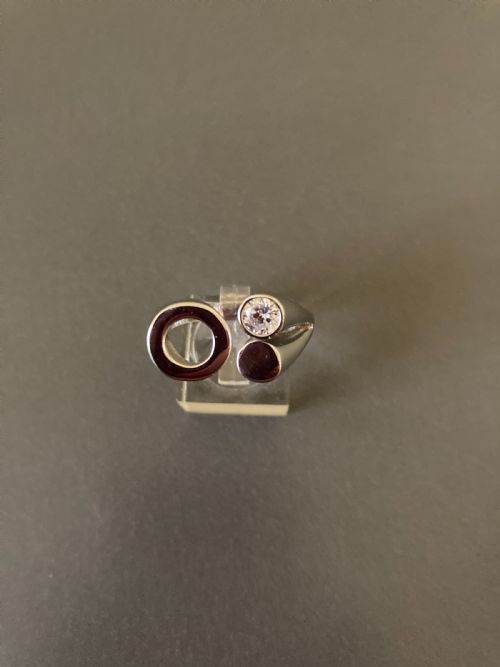


1960s Dress Ring
A 1960s dress ring brings sculptural form and bold stones to the hand, offering a distinct mid-century character that collectors seek for everyday wear.
1960s Dress Ring
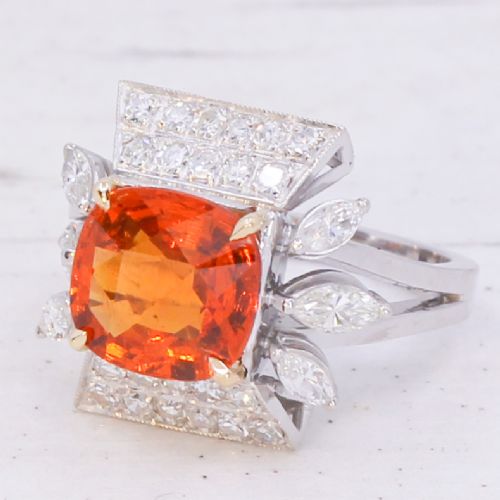
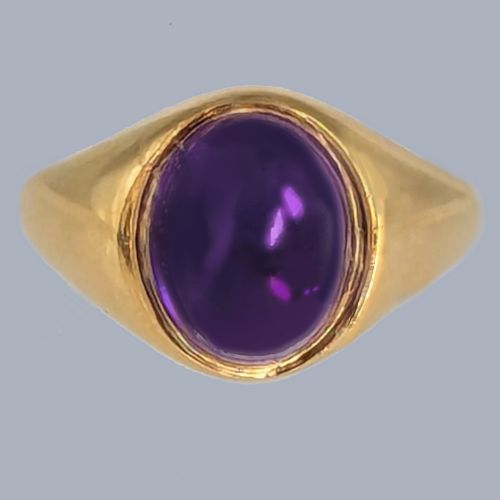
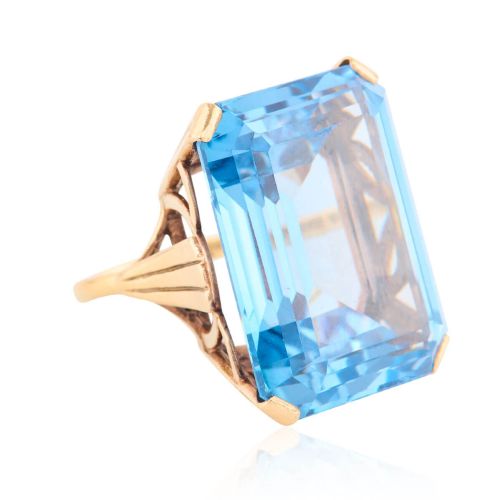
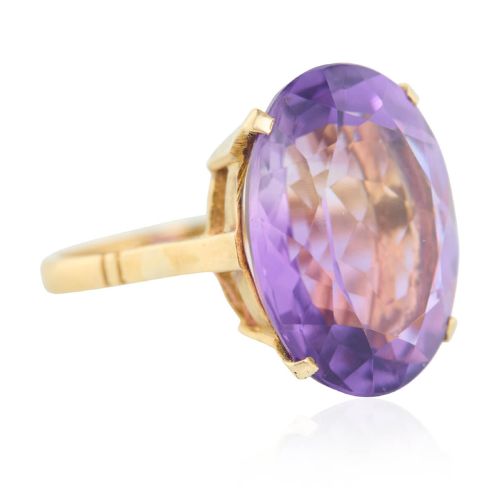
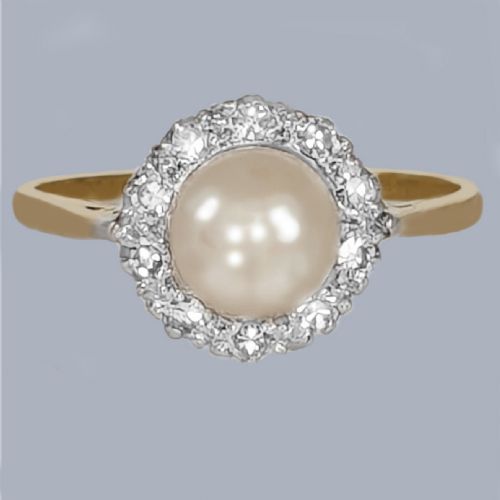
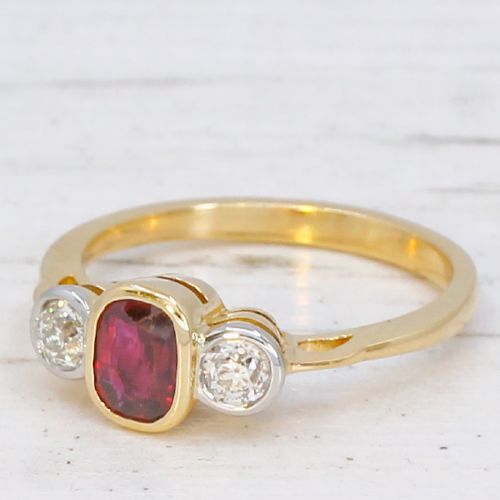
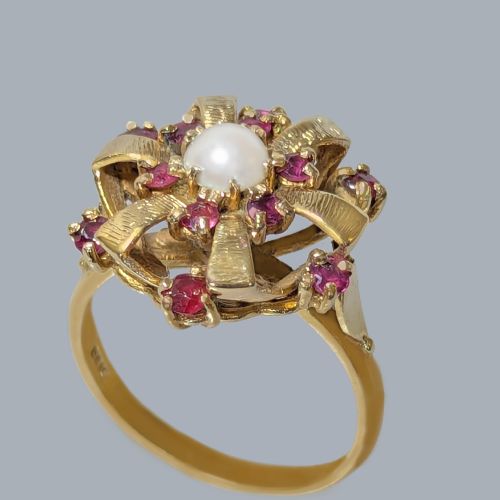
A 1960s dress ring encompasses striking cocktail rings and cluster designs created during a period of bold stylistic experimentation. The selection on this page ranges from substantial amethyst and aquamarine solitaires to intricate diamond and sapphire clusters.
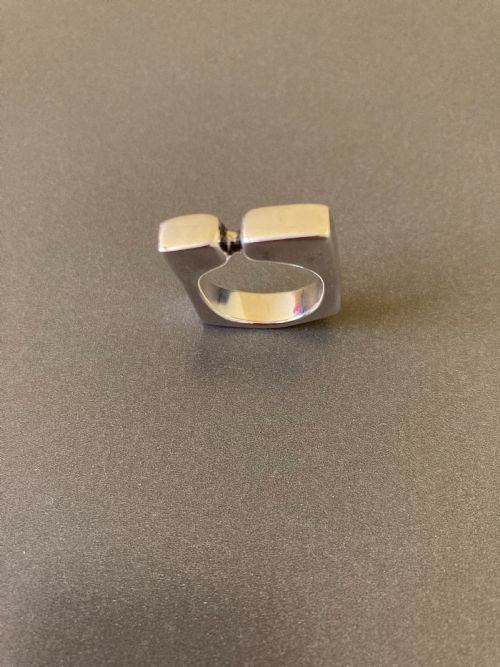
Makers of the era embraced diverse aesthetic influences, producing pieces that span from clean Scandinavian modern silver to elaborate Italian scrolled open work. Buyers regularly encounter both yellow and white gold settings, alongside platinum and silver mounts.
While many pieces belong strictly to the 1960s or mid-century movement, the inventory also captures occasional Edwardian survivals and Art Deco revival pieces. This variety reflects a vibrant marketplace where large central gemstones paired with smaller accent diamonds dominate.
Materials and construction
Goldsmiths of the decade utilised a spectrum of precious metals, casting substantial mounts in 9ct, 14ct, and 18ct yellow and white gold, alongside platinum and silver. Settings frequently combine white gold or platinum claws with yellow gold shanks to highlight the brilliance of diamonds.
Gemstone selection defines the physical presence of these rings, featuring large carat weights of amethyst, aquamarine, sapphire, and emerald alongside pearls, coral, and turquoise. Stones are secured in heavy bezels, cluster formations, or modernist lattice openwork that showcases technical proficiency.
Some mid-century wearers matched their massive cocktail rings directly to the frosted tumbler of their evening highball.
Distinctions in quality
Quality in a 1960s dress ring rests primarily on the weight and purity of the central gemstone, where unheated stones and substantial carat sizes elevate a piece significantly. The presence of documented certification and distinct regional craftsmanship, such as identifiable Scandinavian or Italian workshops, adds further distinction.
The integrity of the metalwork also separates standard production from exceptional examples, observed in the thickness of the gold shank and the precision of openwork lattice construction. Substantial hallmarking and original maker stamps confirm the provenance and durability of the mounting.
Randers Silver
The 1960s Dress Ring Glossary
- Cocktail ring
- A large, prominent ring designed to draw attention during evening social gatherings, typically featuring a sizable central gemstone surrounded by smaller stones.
- Cluster ring
- A design featuring a central stone encircled by a group of smaller gems, often configured to resemble a floral motif.
- Solitaire
- A ring set with a single gemstone, allowing the full visual weight and natural colour of the stone to dominate the design.
- Open work
- Metalwork featuring pierced or cut-out patterns that create a light, lace-like structure in the gallery or shoulders of the ring.
- Cabochon
- A gemstone shaped and polished with a smooth, rounded convex surface rather than faceted edges.
1960s Dress Ring: Frequently Asked Questions
What defines a 1960s dress ring?
A 1960s dress ring is characterised by bold mid-century styling, often featuring large central gemstones like aquamarine, amethyst, or sapphire paired with gold or platinum mountings. These pieces were created to make a visual statement rather than simply mark an engagement.
Designs range from sleek Scandinavian modernist silver to ornate Italian cluster work and structured diamond arrangements. They capture an era of confident, sculptural jewellery design that remains highly wearable today.
How do I style a cocktail ring?
Styling a large mid-century cocktail ring involves letting the piece remain the focal point of the hand, often wearing it alone on the ring or middle finger. The substantial carat weights and colourful stones pair effectively with both evening attire and simple daily wear.
Because these rings possess significant height and presence, they require mindful placement to avoid catching on fabrics. Pairing them with understated bands ensures the vintage character stands out.
Are these rings suitable for daily wear?
Many mid-century rings are robustly constructed with substantial gold or platinum shanks capable of withstanding regular use. However, softer stones like pearls, turquoise, or opal require greater care to avoid scratching or moisture damage.
Checking the security of the claws and settings with a jeweller helps ensure that stones remain firmly anchored during routine activities. Selecting harder gems like sapphire or diamond provides greater resilience for everyday rotation.
How can I identify the period of a ring?
Dating these rings relies on a combination of stylistic cues, such as modernist lattice work or retro cluster formations, alongside official hallmarks stamped inside the shank. Assaying marks often record specific assay office symbols and exact registration years.
Comparing the cut of the diamonds, such as old cuts versus transitional or modern brilliants, also helps pinpoint the era. Maker marks and regional styles provide further confirmation of mid-century origins.