


1960s Diamond Cocktail Ring
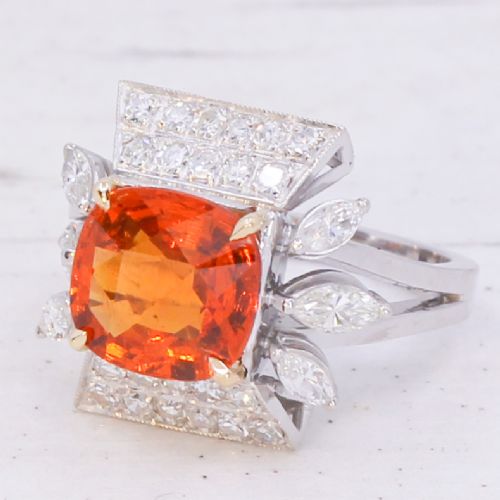
A 1960s diamond cocktail ring brings bold mid-century design and substantial gemstones to the hand, offering a statement piece that commands attention.
1960s Diamond Cocktail Ring
A 1960s diamond cocktail ring gathers prominent gemstones into striking mid-century forms, ranging from dense clusters to sculptural openwork designs. Buyers exploring this category encounter pieces that reflect the bold aesthetic shifts of the mid-century period, with a strong emphasis on visual weight and presence.
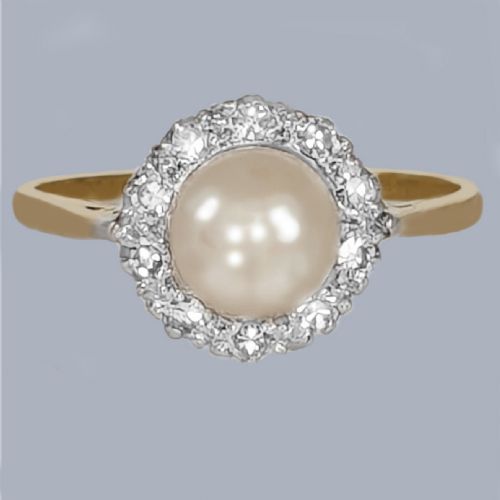
The selection spans substantial cluster configurations alongside distinctive modernist lattice and ballerina settings. While the majority of examples stem from the 1960s and 1950s, occasional earlier pieces such as Edwardian designs also appear within the grouping.
Materials and construction
Metals used across these pieces include platinum, 18ct yellow gold, 18ct white gold, and 14ct yellow or white gold. These provide the structural foundation required to securely mount sizeable centre stones and intricate diamond arrangements.
Listings incorporate designs from the 1950s and 1960s alongside Edwardian examples, utilising platinum, white gold, yellow gold, and multiple gemstone varieties.
Distinctions in quality
Quality rests upon the proportion and natural merit of the central gemstones relative to the surrounding diamond work. Pieces featuring certified, untreated coloured stones or substantial diamond weight hold distinct prominence.
The sophistication of the metalwork also defines the upper tier, particularly in Italian mid-century examples showcasing intricate scrolled open work or complex modernist lattice patterns. Execution of the setting directly impacts the overall visual balance.
The 1960s Diamond Cocktail Ring Glossary
- Cluster ring
- A ring design featuring a central gemstone encircled by a group of smaller stones, typically diamonds. This layout maximises overall sparkle and visual impact on the finger.
- Ballerina ring
- A distinctive cocktail ring style featuring a central stone surrounded by tapering, radiating baguette-cut diamonds that resemble a ballerina's tutu. The layered silhouette creates exceptional depth and dimension.
- Open work
- Metalwork characterised by pierced or pierced-out patterns that create empty spaces within the design. This technique lightens heavy gold or platinum structures and adds intricate detail.
- Rose cut
- An antique gemstone cut featuring a flat base and a domed crown composed of triangular facets arranged in a symmetrical pattern. It yields a soft, subtle lustre rather than intense brilliance.
1960s Diamond Cocktail Ring: Frequently Asked Questions
What defines a 1960s diamond cocktail ring?
These rings are characterised by bold mid-century styling, generous gemstone proportions, and prominent central stones surrounded by diamonds. They were originally designed for evening wear and social gatherings.
Designs range from traditional cluster configurations to architectural modernist forms and Italian openwork settings, utilising yellow gold, white gold, and platinum.
How do I care for a vintage cocktail ring?
Daily wear requires basic mindfulness regarding knocks and hard impacts, particularly given the height and prominence of these larger gemstone settings. Regular checks on the security of the claws help prevent stone loss.
Cleaning should match the specific materials involved, noting that pearls and certain emeralds require gentler handling than diamonds, sapphires, or durable precious metals.
Are these rings suitable for daily wear?
While sturdy materials like platinum and 18ct gold provide durability, the substantial size and protruding centre stones of cocktail rings make them more vulnerable to daily hazards than low-profile wedding bands.
Many owners reserve them for special occasions or wear them with heightened care during routine daily activities to protect the intricate settings and softer coloured stones.
How are different mid-century styles identified?
Stylistic identification relies on observing the interplay of metals and the geometry of the setting. Mid-century Italian pieces often feature elaborate scrolled goldwork, while modernist examples favour linear lattice structures.
The choice between white and yellow gold, or the combination of both, also points to specific shifts in jewellery design preferences across the 1950s and 1960s.