



1960s Cluster Ring
A 1960s cluster ring brings together a central gemstone surrounded by smaller stones, offering bold mid-century design.
1960s Cluster Ring
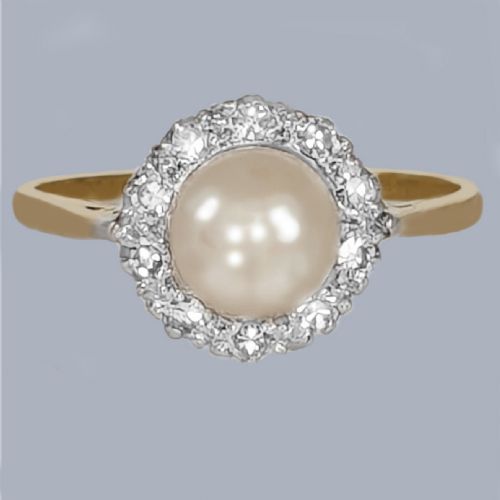
When you search for a 1960s cluster ring, you find pieces defined by a central stone encircled by an outer margin of smaller gems, typically diamonds. The most common version on this page is a sapphire and diamond arrangement set in 18ct white gold or yellow gold.
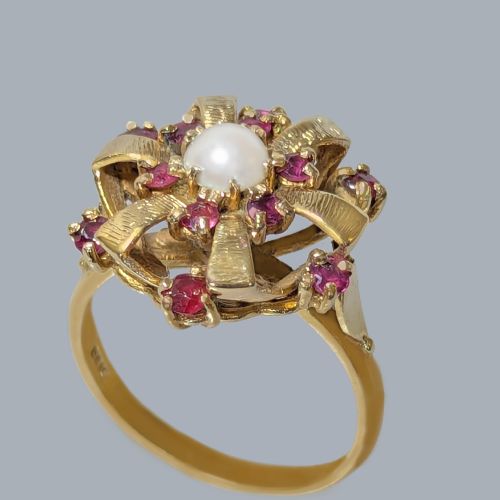
The styles range from mid-century modern and retro designs to art deco revivals and floral motifs that echo earlier periods. Alongside sapphires, the selection includes emeralds, rubies, pearls, aquamarines, garnets, tourmalines, and opals.
While primarily designed as engagement rings, many examples function as dress rings or cocktail rings due to their substantial scale and prominent settings. The overarching aesthetic embraces geometric open work, scrolled mountings, and stylized flower shapes.
Materials and construction
The framework relies heavily on 18ct gold, 14ct gold, 9ct gold, and platinum, often pairing white gold settings with yellow gold bands. Master jewellers utilised platinum settings specifically to secure the diamond borders and enhance the brilliance of the stones.
Gemstones are shaped in various cuts, including old cuts, rose cuts, and standard modern facets. Construction techniques involve detailed open work, scrolled wirework, and secure prong or basket settings to support substantial centre stones like unheated Burmese or Ceylon sapphires and Colombian emeralds.
Materials span platinum, 18ct gold, yellow gold, and 18ct white gold.
Quality variations
Quality rests upon the natural origin, clarity, and carat weight of the central gemstone, alongside the absence of treatments in stones like emeralds and sapphires. Fine examples display exceptional colour saturation and high-grade diamonds that match the central gem in brilliance.
The execution of the metalwork distinguishes exceptional pieces, particularly where intricate scrolled open work or balanced floral cluster designs require precise hand assembly. Maker attribution and official hallmarks, such as Birmingham assay marks, also elevate a piece.
Julius Cohen
The 1960s Cluster Ring Glossary
- Cluster ring
- A ring featuring a prominent central stone framed by a ring of smaller accent stones. This arrangement maximises visual impact and light reflection.
- Ballerina ring
- A specific cluster design where tapered baguette or brilliant-cut diamonds surround a central stone like a tutu. This creates a distinctive scalloped silhouette.
- Old cut
- A vintage diamond facet style characterised by a smaller table, higher crown, and open culet. These cuts produce a softer candlelight sparkle compared to modern cuts.
- Rose cut
- A historic gemstone cut featuring a domed top covered in triangular facets and a flat base. It provides a subtle, translucent glow.
1960s Cluster Ring: Frequently Asked Questions
How do I identify a 1960s cluster ring?
Look for characteristic mid-century design elements such as floral motifs, scrolled open work, and combinations of white and yellow gold. Hallmarks stamped inside the band often provide specific assay office dates.
Many pieces also exhibit distinct gemstone pairings, like sapphires or emeralds framed by brilliant-cut diamonds, reflecting the period's preference for bold cocktail and engagement rings.
Were these rings worn as engagement rings?
Yes, many cluster designs from this decade served as engagement rings, particularly sapphire and diamond flower configurations. Their substantial presence made them a popular alternative to traditional solitaire rings.
At the same time, larger gemstone configurations functioned primarily as dress rings or cocktail rings for evening wear.
What metals were commonly used?
Jewellers predominantly worked in 18ct gold, 14ct gold, and platinum. White gold gained immense popularity for the head of the ring to make diamond borders appear whiter.
Platinum was frequently utilised for secure prong settings, while 9ct gold appears in alternative vintage variations.
Are the gemstones treated?
Treatment varies depending on the specific gemstone type and origin. Some sapphire and emerald listings note specific laboratory certifications detailing whether stones are unheated or free from oil treatments.
Reviewing individual certificates helps determine the natural state and quality of the central gem.