







1960s Canvas Painting
These 1960s canvas painting examples capture mid-century modernism, expressionism, and abstraction, offering a bold visual centrepiece for any room.
1960s Canvas Painting
A 1960s canvas painting represents a period of artistic transition spanning mid-century modernism, naive art, French expressionism, and optical art. Buyers seek these works for their distinctive period palettes, expressive brushwork, and striking compositional energy.
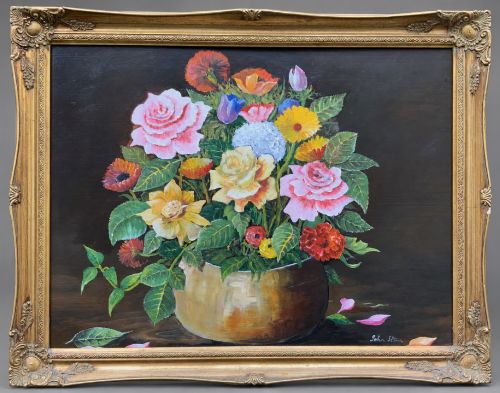
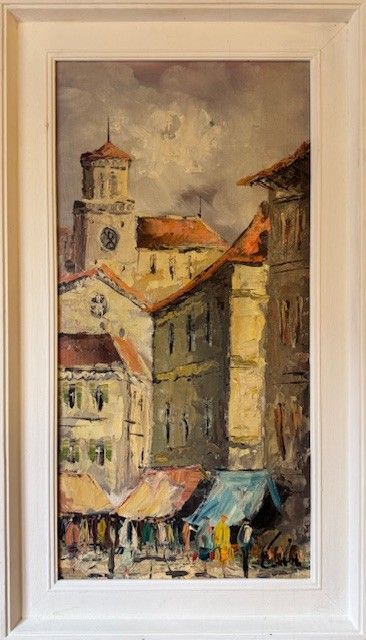
The most common examples on this page are mid-century European oil paintings on canvas, encompassing abstract cityscapes, figurative scenes, and floral still lifes. These works frequently arrive in their original wood frames, often with gilt accents suited to the period aesthetic.
Materials and Technique
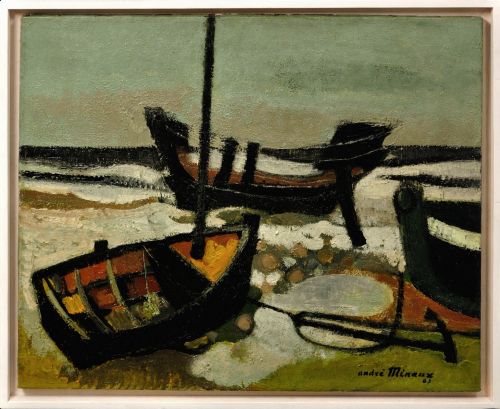
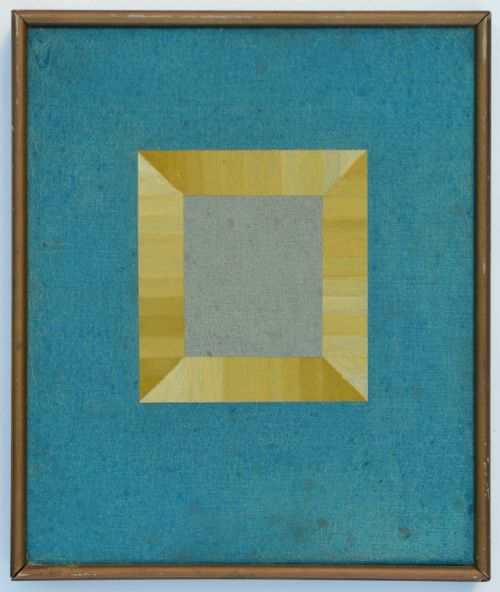
Artists of this era relied primarily on oil paint applied directly to stretched canvas, frequently utilising thick impasto techniques to build physical texture and depth upon the surface. Mixed media and abstract geometries also appear among the selections.
Support structures typically consist of traditional wooden stretchers housed within contemporaneous wooden frames, occasionally complemented by gilt detailing that underscores the mid-century presentation style.
1960s Canvas Painting Retail Price Guide 2026
Typical asking prices for 1960s canvas painting among the pieces listed under this phrase on Sellingantiques today, from the lower quarter to the upper quarter. They describe what is for sale here now, not the wider market.
Several canvases capture fleeting mid-century moments, from children goofing around in fancy dress to spirited horses rounding the track at Longchamp.
Judging Quality and Execution
Quality rests in the confidence of the brushwork, the strength of the compositional balance, and the preservation of the original paint surface without extensive intervention. Works by documented practitioners or prominent regional societies demonstrate higher artistic ambition.
The vitality of the palette and the harmony between the canvas and its original framing further distinguish the finest examples from standard decorative pieces of the period.
Deidre Daines·Robert Jacks·Tony Giles·Helen Layfield Bradley·Raymond Picque·Gabriel Dauchot·Amile Coppieters·Ron Folland·William Littlejohn·Noel Quintavalle·Christian Caillard·William Ernst Burwell·Donald McIntyre·Dion Pears
The 1960s Canvas Painting Glossary
- Impasto
- Paint applied thickly to a canvas, standing out in relief from the plane so that the marks of the brush or palette knife remain clearly visible.
- Mid-Century Modern
- A stylistic design movement spanning the mid-twentieth century that embraces clean lines, abstracted forms, and vibrant colour combinations.
- Op Art
- A style of visual art that uses optical illusions, employing abstract patterns with stark contrasting geometric shapes.
- Naive Art
- Visual art created by a person who lacks formal professional training, often characterised by a childlike simplicity in perspective and subject matter.
- Gilt
- A thin layer of gold leaf or gold paint applied to wooden frames to provide a lustrous metallic finish.
1960s Canvas Painting: Frequently Asked Questions
How do I identify a 1960s canvas painting?
Look for stylistic markers such as mid-century abstract geometries, expressionist brushwork, or naive compositions typical of the era. Signatures, dates on the reverse, and period framing methods further help confirm the decade of creation.
Material composition also offers clues, as oil paint formulations and canvas preparation techniques shifted during the mid-twentieth century towards synthetic stretchers and bolder pigment use.
Where were these paintings created?
The works originate from workshops, studios, and artist communities across Britain, France, and wider Europe. Many reflect regional artistic movements, from Cornish coastal scenes to Parisian streetscapes.
Artists often worked within defined groups or academies, capturing local landscapes, racing circuits, and domestic interiors specific to their geographic surroundings.
How should I display a vintage canvas painting?
Position the artwork away from direct sunlight and excessive humidity to protect the oil pigments and the wooden stretcher bars. Matching the painting with its original wooden or gilt frame preserves the historical integrity of the piece.
Ensure the wall mounting is secure, as many mid-century canvases are substantial in scale and require stable hardware to support their weight safely.
What subjects are most common?
Common subjects include abstract cityscapes, floral still lifes, equestrian racing scenes, and figurative nudes or portraits. Painters of this period frequently reinterpreted traditional genres through a modernist or impressionist lens.
Harbours, architectural interiors, and expressive landscapes also feature prominently across the available canvases, reflecting mid-century leisure and travel.