



1960s Brooch
A 1960s brooch brings mid-century character and bold gemstone work to a lapel, offering an accessible piece of wearable sculpture.
1960s Brooch
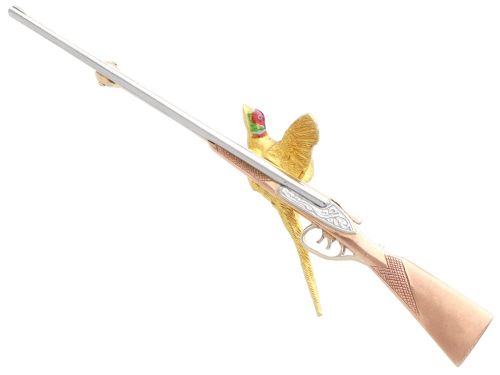
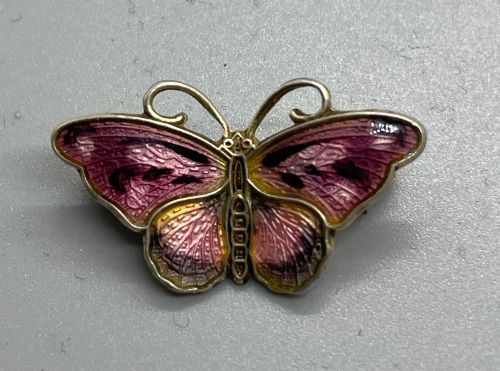
A 1960s brooch spans playful animal motifs, abstract modernist goldwork, and revivalist pieces grounded in mid-century design. These jewels capture a period of bold experimentation, moving away from strict symmetry towards textured surfaces and natural forms.
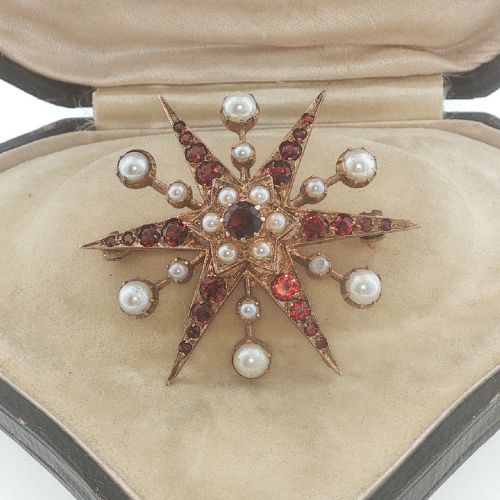
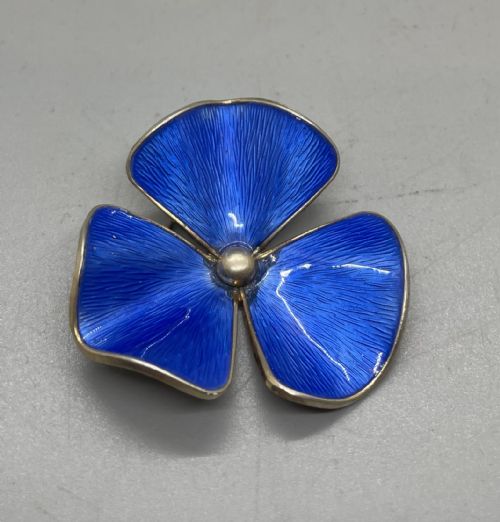
On this page, buyers are most likely to meet silver gilt enamel pieces alongside gold animal figures and gemstone-set starbursts. The selection reflects both Scandinavian craft traditions and British workshop production from the decade.
Makers ranged from individual studio jewellers to established London houses, utilising precious metals alongside enamel and gathered stones. Each item functions as a miniature canvas characteristic of the 1960 aesthetic.
How they were made
Metals such as sterling silver, silver gilt, and yellow or white gold of varying carats form the structural base of these jewels. Techniques include casting, hand-chasing, and guilloche enamel work applied to textured surfaces.
Gemstones including diamonds, rubies, garnets, emeralds, seed pearls, and turquoise are flush-set, grain-set, or mounted in starburst arrangements. Many pieces rely on detailed wirework and applied granulation to create depth and contrast.
1960s Brooch Retail Price Guide 2026
Typical asking prices for 1960s brooch among the pieces listed under this phrase on Sellingantiques today, from the lower quarter to the upper quarter. They describe what is for sale here now, not the wider market.
Listings feature 1960 pieces created in silver, gold, enamel, and various gemstones.
What varies in quality
The distinction between standard commercial production and exceptional studio work rests on the ambition of the design and the precision of the hand-finishing. Pieces bearing maker signatures or specific assay office marks often demonstrate superior metal manipulation and stone selection.
Enamel condition, stone matching, and the crispness of cast or chased surface textures dictate the overall success of the jewel. Finer examples display deliberate weight in the precious metal and secure, integrated pin mechanisms.
Kutchinsky·Ben Rosenfeld·John Hart of Iona·Charles de Temple
The 1960s Brooch Glossary
- Silver gilt
- Sterling silver that has been coated with a thin layer of gold. This treatment provides the warm tone of gold while utilising a silver base.
- Guilloche enamel
- A decorative technique where transparent enamel is layered over mechanically engraved metal. It creates a rippled pattern beneath the coloured glass surface.
- Starburst
- A symmetrical design motif radiating outwards from a central point, frequently utilised in mid-century cluster jewels. It mimics the appearance of stellar light.
- Marcasite
- Small faceted pyrite stones set closely together to resemble cut steel or diamonds. They add dark metallic sparkle to silver mounts.
- Assay mark
- An official stamp indicating the purity of a precious metal and the office where it was tested. It helps date British pieces accurately.
1960s Brooch: Frequently Asked Questions
How do I wear a 1960s brooch?
These pieces suit heavy coat lapels, thick knit sweaters, or pinned to the centre of a neckline. Their construction allows them to anchor well to structured fabrics without sagging.
Heavier gemstone or gold examples require sturdy cloth to support their weight securely throughout the day.
What metals are common in 1960s brooches?
Sterling silver, silver gilt, and yellow or white gold in nine, fourteen, and eighteen carat variations appear frequently. Enamel and mixed gemstones often complement these primary metal structures.
Assay office marks and purity stamps on the reverse typically confirm the exact metal composition used by the workshop.
Are these brooches signed by makers?
Some pieces bear maker stamps, signatures, or specific designer marks alongside traditional hallmarks. Unsigned pieces are also common, representing standard workshop output from the decade.
Signatures from notable designers generally indicate a higher level of studio involvement in the piece's creation.
How do I care for an enamel brooch?
Enamel requires protection from sharp impacts and sudden temperature changes to prevent chipping or cracking. Cleaning should involve only a soft cloth and warm soapy water, avoiding harsh chemical dips.
Storing the jewel in a dedicated box prevents surface scratches from other metallic items.