




1950s Swiss Automatic Watch
A 1950s swiss automatic watch delivers mid-century mechanical charm and dependable self-winding engineering for the wrist.
1950s Swiss Automatic Watch
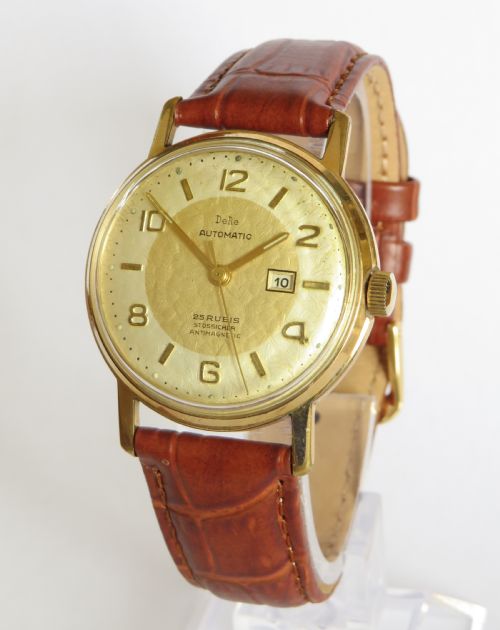
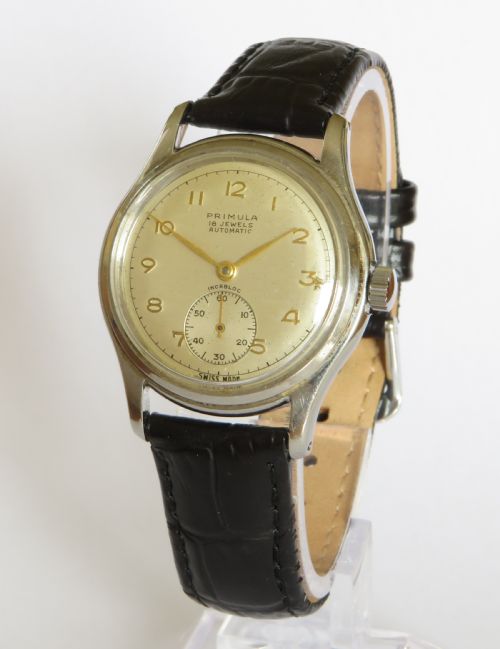
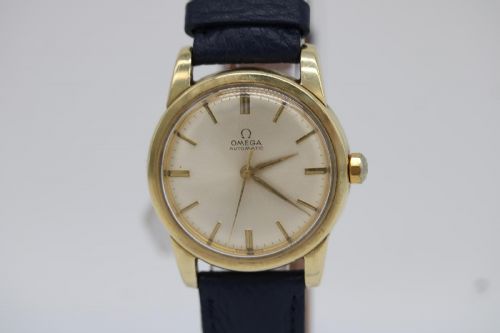
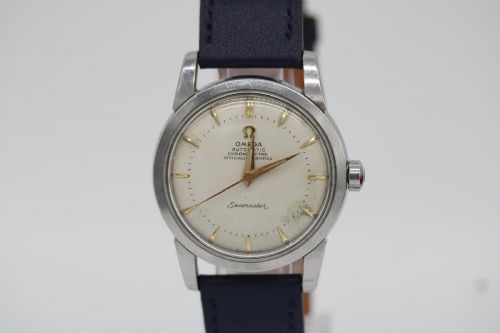
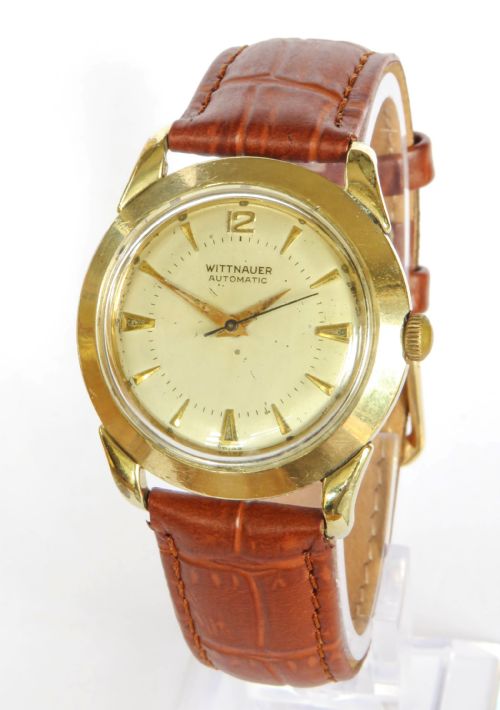
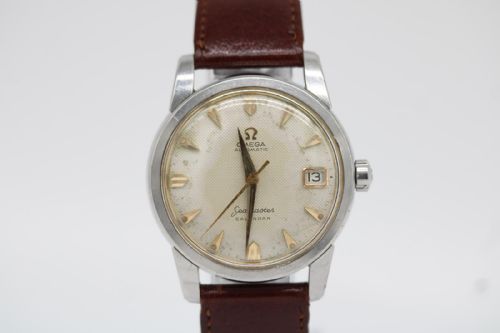
A 1950s swiss automatic watch represents a period of distinct mid-century modern design and mechanical innovation in horology. The pieces gathered here are gents wristwatches hailing from the nineteen-fifties, featuring self-winding movements housed in compact round or square metal cases.
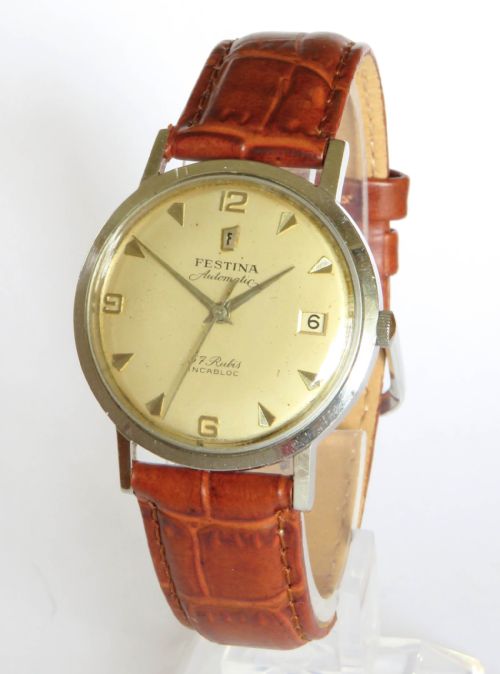
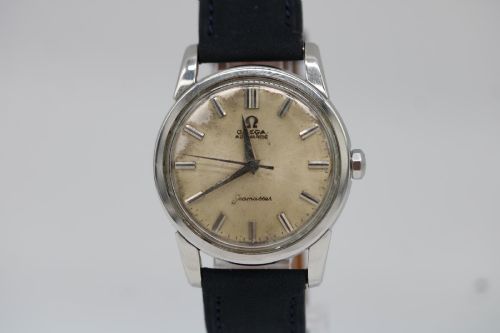
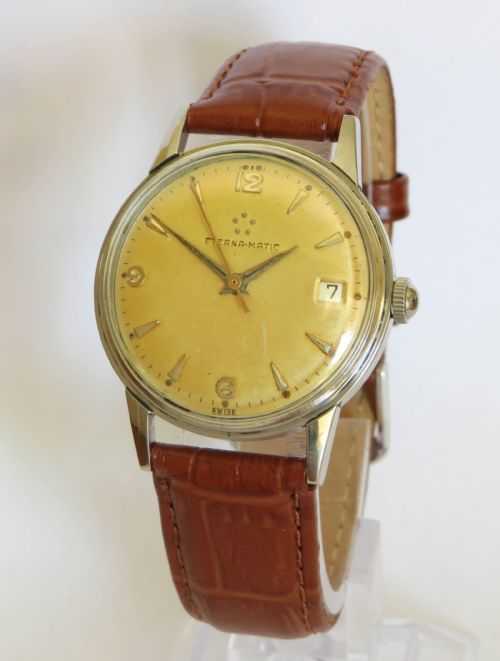
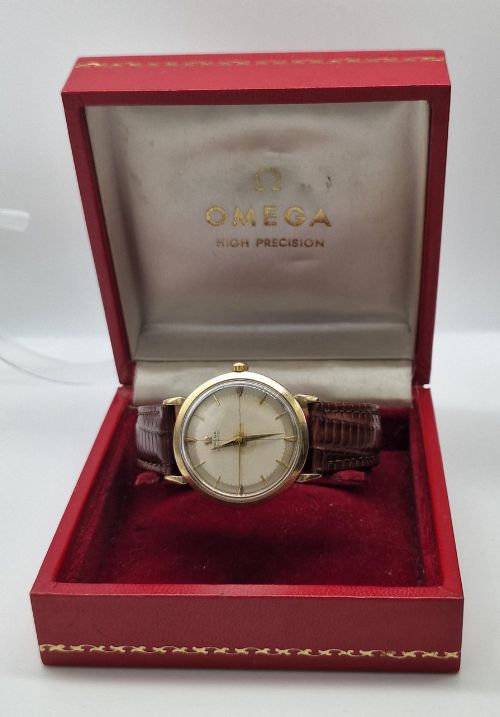
You are most likely to encounter well-known Swiss houses such as Omega and Eterna, alongside interesting independent makers like Festina, DeRe, Primula, Wittnauer, Baume, Prisma, and Rolex. These wristwatches span the decade from nineteen-fifty-six to nineteen-fifty-eight, capturing a golden era of practical everyday timekeeping.
Most examples appear as gents dress or utilitarian wristwatches measuring between thirty-three and thirty-five millimetres in diameter. They bridge the gap between robust daily wear and refined mid-century aesthetics.
How they were made
Swiss watchmakers of this decade relied on stainless steel, nine-carat gold, gold plate, and gold-filled metals to form the protective cases. These metals were shaped into slim profiles designed to slide easily beneath a gentleman's cuff.
The dials are protected by glass or acrylic glass, preserving delicate chapter rings and applied markers underneath. Straps fashioned from supple leather complete the build, offering a comfortable and traditional fit on the arm.
Listings feature mid-century Swiss wristwatches utilising stainless steel, nine-carat gold, leather, and acrylic glass materials.
What varies in quality
The choice of case material sets the primary tier, moving from standard stainless steel up to nine-carat gold and gold-filled housings. Precious metal versions and signed chronometer grades command greater attention from collectors.
Internal engineering also differentiates the tier, ranging from standard automatic movements to early bumper mechanisms and sophisticated calendar or chronometer calibres. The clarity and preservation of the dial typography further distinguish a standard piece from an exceptional survivor.
Omega·Eterna Matic·Festina·Wittnauer·Rolex
The 1950s Swiss Automatic Watch Glossary
- Automatic
- A self-winding mechanical movement that uses the natural motion of the wearer's wrist to power the mainspring. This technology removed the need for daily manual winding.
- Bumper automatic
- An early type of self-winding movement where the rotor swings back and forth within a limited arc rather than making a full circle. The wearer can feel a gentle bump against the springs as the weight moves.
- Chronometer
- A high-precision watch movement that has been tested and certified to meet strict standards for accuracy over several days and in various temperatures. These pieces represent top-tier Swiss horological performance.
- Honeycomb dial
- A textured dial face featuring a raised grid pattern resembling a honeycomb, popular during the mid-century period. This detail adds depth and visual interest under the crystal.
- New old stock
- Unsold vintage merchandise preserved in original condition, often retaining factory finishes or packaging after decades in storage. These items offer a pristine snapshot of period manufacture.
1950s Swiss Automatic Watch: Frequently Asked Questions
How do I wind a 1950s automatic watch?
An automatic watch winds itself through the natural motion of your arm as you go about your day. If the piece has been stationary for a while, a few gentle turns of the crown will kickstart the movement before you put it on.
Avoid over-winding vintage mechanisms, and let the internal rotor handle the daily tension once the watch is running on your wrist.
Are these watches waterproof?
Wristwatches from the nineteen-fifties were not manufactured with modern waterproof sealing standards in mind. Even models labelled for water resistance should be kept well away from swimming, showers, and heavy rain.
Moisture remains a primary enemy of vintage dials and internal steel components, so treat your timepiece as strictly non-waterproof to preserve its condition.
Can I wear a vintage watch every day?
You can certainly wear a mid-century timepiece regularly, provided you treat it with the care due to a delicate mechanical antique. Many owners enjoy rotating their pieces through daily work and social occasions.
Keep in mind that these watches lack modern shock protection, so remove them during vigorous physical activities like gardening or sports.
How do I know the year of manufacture?
Makers often stamped reference numbers, movement calibres, or case serial numbers on the inside case back or movement bridge. Horological reference books and maker archives use these numbers to date the production window.
Some listings explicitly record the exact year or a narrow mid-decade span based on these factory records.