




1950s Steel Wristwatch
These 1950s steel wristwatches offer mid-century mechanical reliability and clean modernist dials that collectors prize for daily wear.
1950s Steel Wristwatch
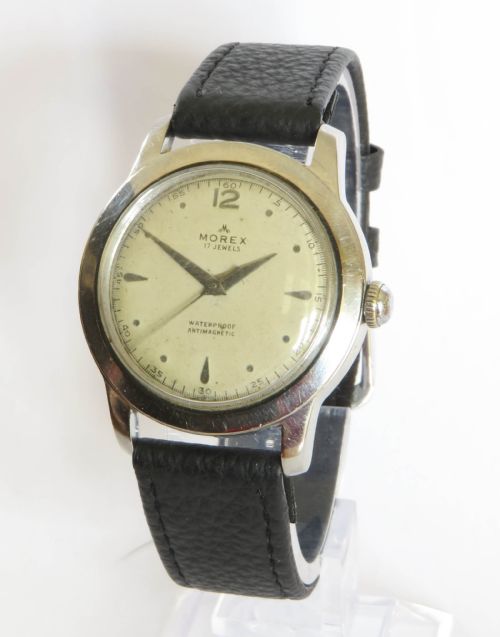
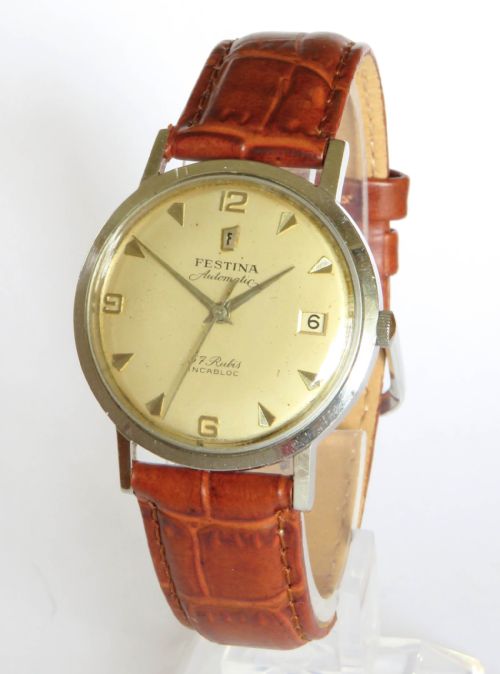
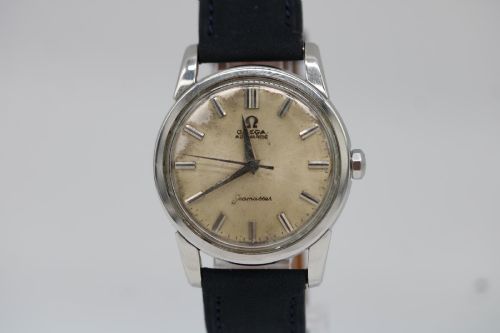
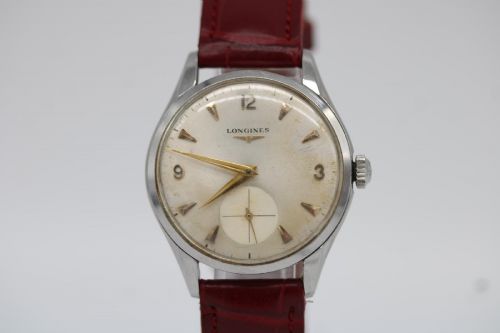
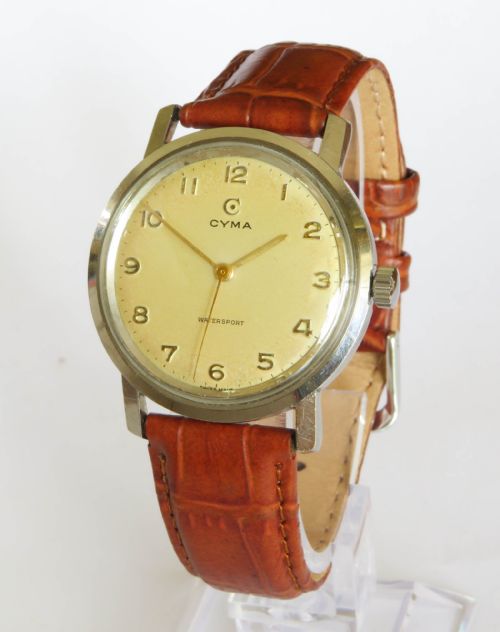
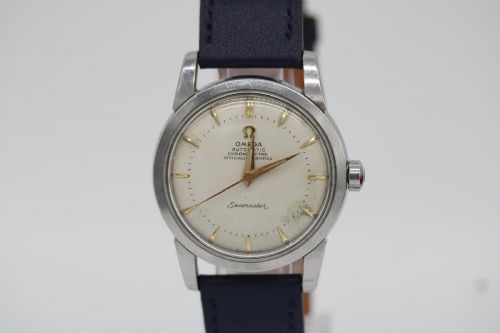
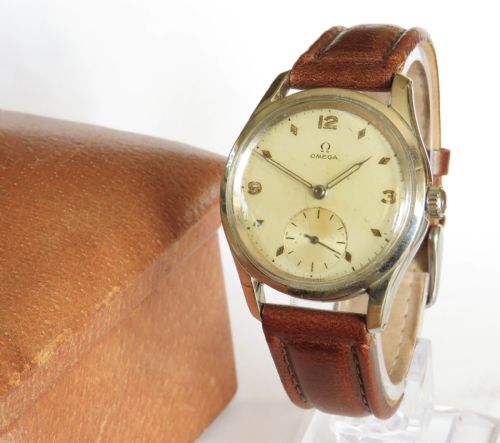
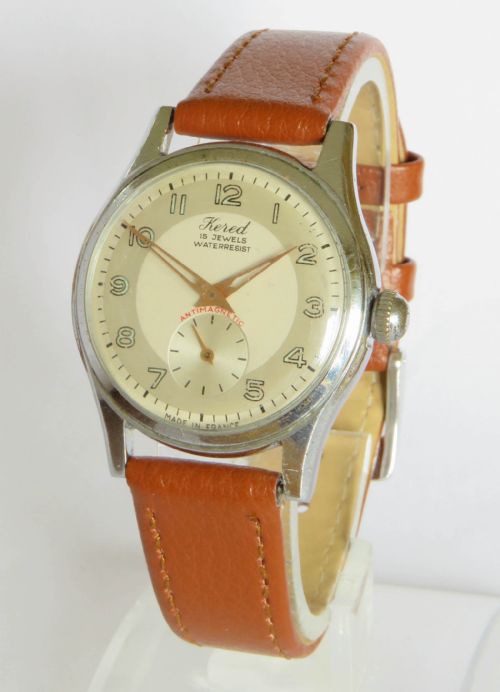
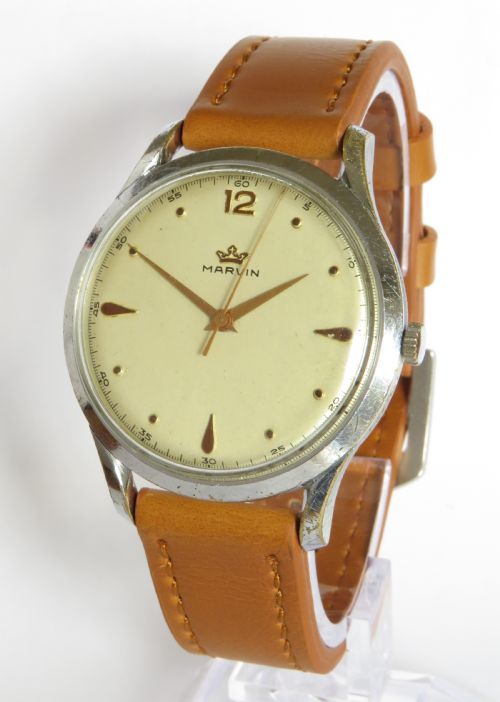
A 1950s steel wristwatch represents a period of robust post-war horology dominated by stainless steel and chrome cases housing manual wind and automatic movements. Buyers looking at this page find timepieces originating primarily from the mid-century era, encompassing civilian dress pieces alongside military and aviation designs.
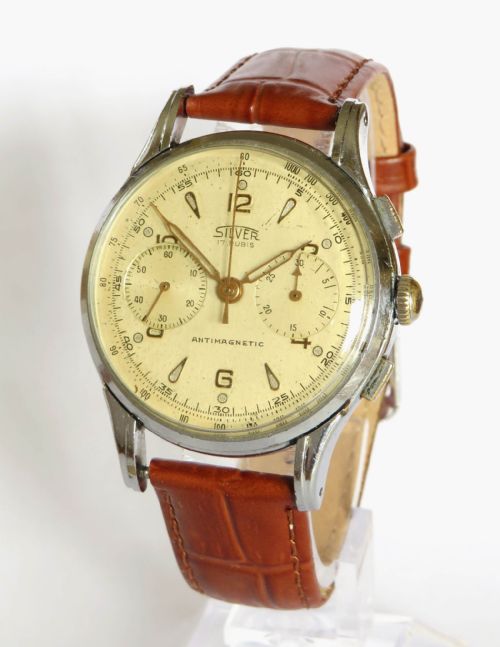
The version most commonly met here is the gents vintage wristwatch, often styled with mid-century modern or art deco influences. These pieces range from simple three-hand dials to chronographs and specialised aviator or military issues.
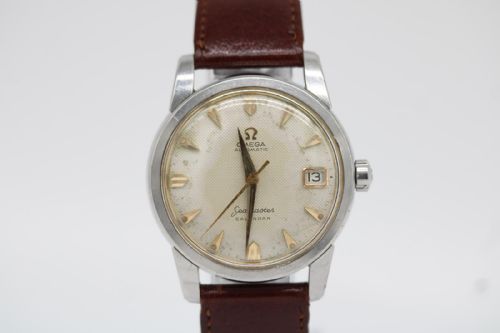
The selection includes notable forms such as calendar variants, honeycomb dials, and larger jumbo cases alongside standard round configurations. Each item reflects the distinct design language of the nineteen-fifties, utilising durable metals suited to practical twentieth-century living.
Materials and Construction
Cases rely heavily on stainless steel, chrome, and occasional gold plate, paired with clear acrylic glass or standard glass crystals. Dials are protected beneath these transparent covers while inner mechanisms function via manual wind or automatic mechanical calibres.
Straps utilise leather to secure the metal cases to the wrist, completing an assembly of durable components typical of the decade. Specialised models incorporate shock-resistant systems and chronograph complications within these metal housings.
Quality and Variation
Quality differences stem from the grade of the movement, the preservation of the dial, and whether the case retains its original factory finishing. Pieces with specialised complications like chronographs or specific military and aviation provenance sit at the higher end of the range.
The distinction between standard civilian models and high-grade chronometer or military-issued pieces defines the breadth of the collection. Original details, such as untouched dials and signed crowns, elevate specific examples above standard production items.
Montilier·Festina·Omega·Antoremi·Longines·Cyma·Kered·Prisma·Dogma Prima·Marvin·Rolex·Ebana·Benrus·Chronographe Suisse·Vixa·Verity·Wyler
The 1950s Steel Wristwatch Glossary
- Automatic
- A self-winding mechanical movement that uses the natural motion of the wearer's wrist to power the watch. This system removes the need for daily manual winding.
- Chronograph
- A watch equipped with a display function for measuring elapsed time alongside the standard timekeeping hands. It typically includes independent start and stop controls.
- Manual wind
- A mechanical watch movement that requires the wearer to manually turn the crown to tension the mainspring. This traditional method powers the piece for a set number of hours.
- Calibre
- The specific internal movement designation used by a manufacturer to identify a particular watch mechanism. Different calibres denote variations in size, complication, and engineering.
- Acrylic glass
- A lightweight, shatter-resistant plastic material used for watch crystals during the mid-century period. It can be easily polished to remove minor surface scratches.
1950s Steel Wristwatch: Frequently Asked Questions
Are these watches waterproof?
These mid-century timepieces do not possess modern water resistance ratings due to the age of their seals and case construction. Avoid exposing them to swimming, showering, or heavy rain.
Keep the watch entirely dry during daily wear to protect the dial and movement from moisture damage. Professional servicing can check the current condition of any gaskets present.
How accurate are 1950s mechanical watches?
Mechanical watches from this era typically gain or lose a small number of seconds per day depending on their condition and regulation. They do not match the precision of modern quartz timepieces.
Regular servicing by a qualified watchmaker helps maintain optimal timekeeping performance. Environmental factors such as temperature changes can also influence daily accuracy.
Can I replace the leather strap?
Leather straps can be easily removed and replaced using a standard spring bar tool to match your personal preference. The lug width of the watch case determines the correct strap size you need to purchase.
Many collectors enjoy pairing vintage watch heads with different leather textures and colours. Ensure the new strap fastens securely to the original metal buckle if retained.