

1950s Gold Jewellery
When buying 1950s gold jewellery, one encounters mid-century rings, necklaces, and brooches that combine traditional precious metals with mid-century design.
1950s Gold Jewellery
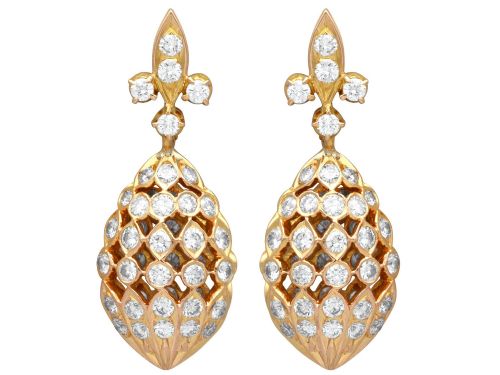
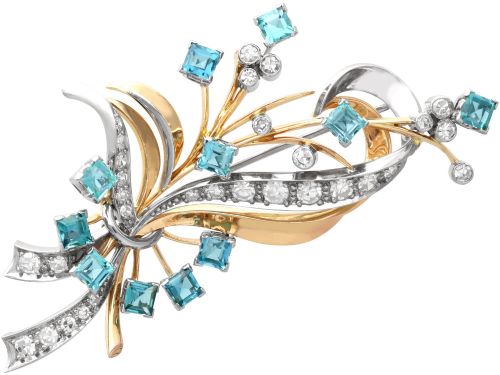
Collectors searching for 1950s gold jewellery examine a wide selection of rings, necklaces, drop earrings, bracelets, bangles, and brooches originating from the middle of the twentieth century. These items reflect mid-century, mid-century modern, and retro stylistic influences, alongside specific French and British interpretations from the era.
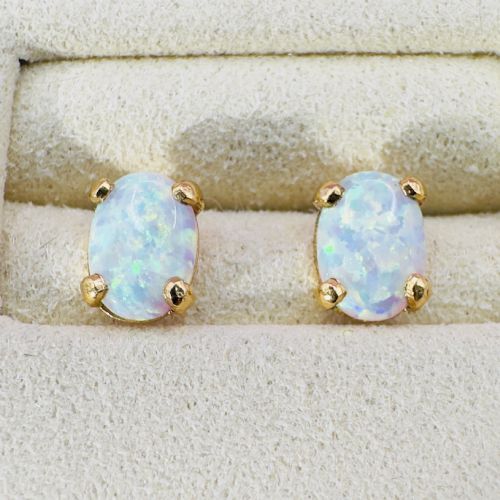
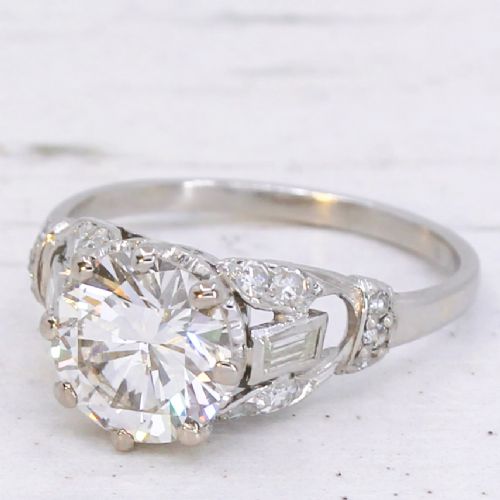
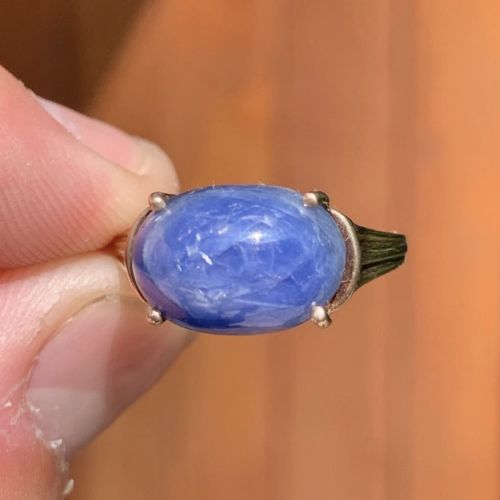
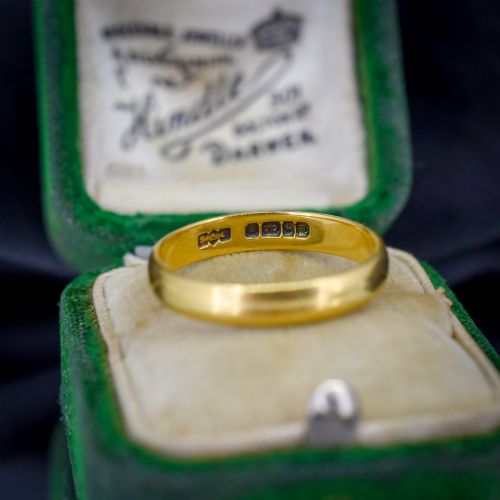
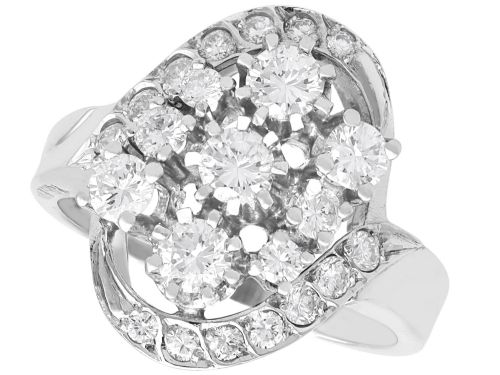
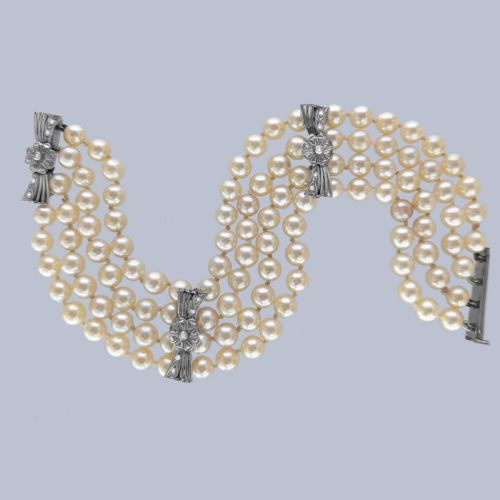
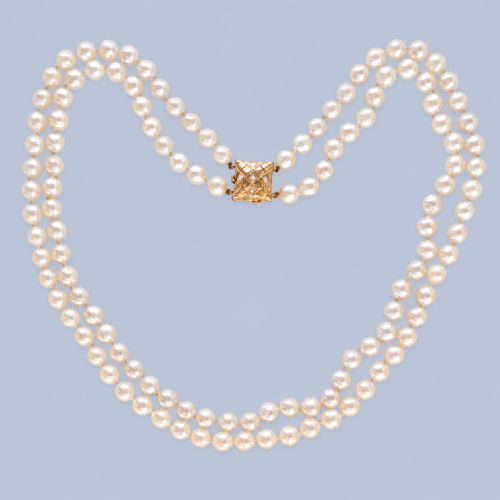
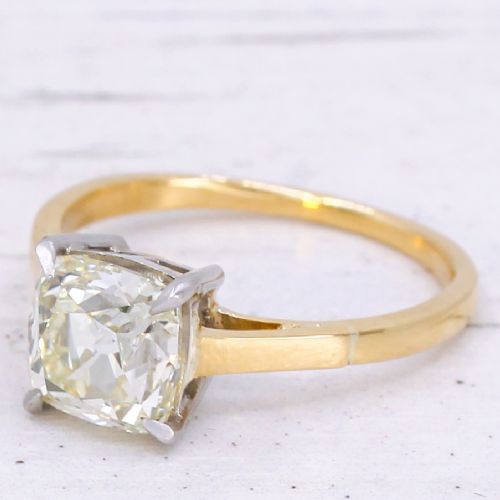
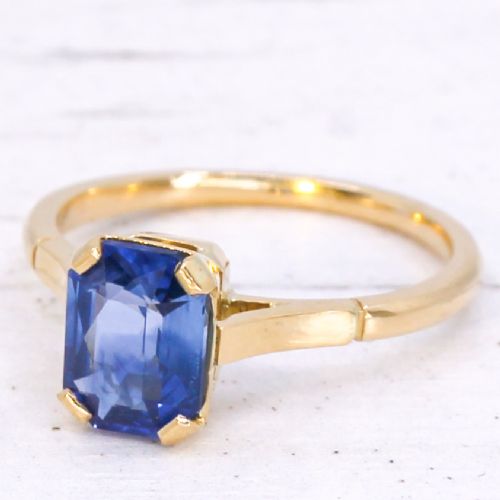
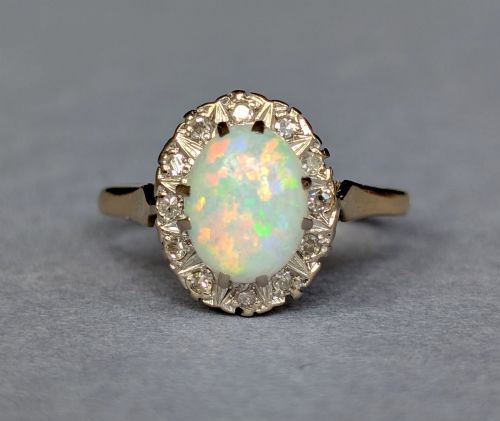
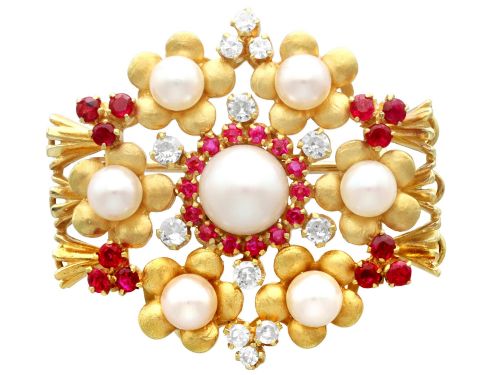
The objects commonly available on this page include diamond engagement rings, multi-gem stone bracelets, signet rings, wedding bands, and elaborate cocktail rings set with aquamarines, sapphires, emeralds, and turquoise. Pearl necklaces featuring diamond-set gold clasps form another prominent category within the selection.
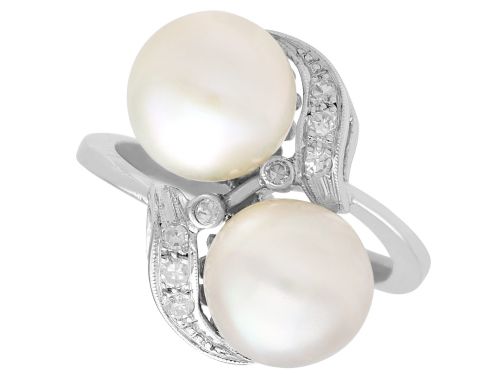
The material palette spans 9ct, 14ct, 18ct, and 22ct gold in both yellow and white varieties, frequently paired with diamonds, pearls, and coloured gemstones. Pieces range from simple wedding bands and intaglio signet rings to substantial cluster rings and multi-strand pearl creations.
How They Were Made
The construction of these pieces relies on yellow and white gold alloys across various carats, combined with genuine diamonds, cultured and freshwater pearls, and natural gemstones such as unheated sapphires and Colombian emeralds. Goldsmiths utilised traditional casting and setting techniques to secure old cut diamonds, princess cuts, and multi-gem stones into rings, bracelets, and clasps.
Makers integrated decorative elements such as enamel work, intricate foliate motifs, and detailed clasps that functioned as secondary focal points, particularly on multi-strand pearl necklaces. Metalworking methods from the period ensured durability while accommodating the distinctive geometric and organic shapes characteristic of mid-century design.
1950s Gold Jewellery Retail Price Guide 2026
Typical asking prices for 1950s gold jewellery among the pieces listed under this phrase on Sellingantiques today, from the lower quarter to the upper quarter. They describe what is for sale here now, not the wider market.
Object types include rings, necklaces, drop earrings, bracelets, bangles, brooches, pendants, and wedding bands associated with the 1950s.
What Varies in Quality
The standard of execution varies according to the selection and matching of stones, such as the uniformity of pearls in a multi-strand necklace or the clarity and origin certifications of sapphires, emeralds, and diamonds. Superior examples demonstrate careful gemstone grading and balanced proportions within cluster and cocktail designs.
Another differentiator lies in the complexity of the metalwork and the preservation of original elements, including hallmarked clasps, engraved bands, and maker marks. Pieces showing distinct regional characteristics, such as French provenance or specific British assay office stamps, display higher degrees of craftsmanship.
Smith and Pepper
The 1950s Gold Jewellery Glossary
- Old cut
- A diamond cutting style prevalent before modern brilliant cuts, characterised by a smaller table, higher crown, and open culet. These stones impart a softer, warmer sparkle under candlelight.
- Signet ring
- A finger ring bearing a carved or engraved design, often an intaglio, historically used for sealing documents. Mid-century examples frequently utilise yellow gold with stone or metal seals.
- Cultured pearl
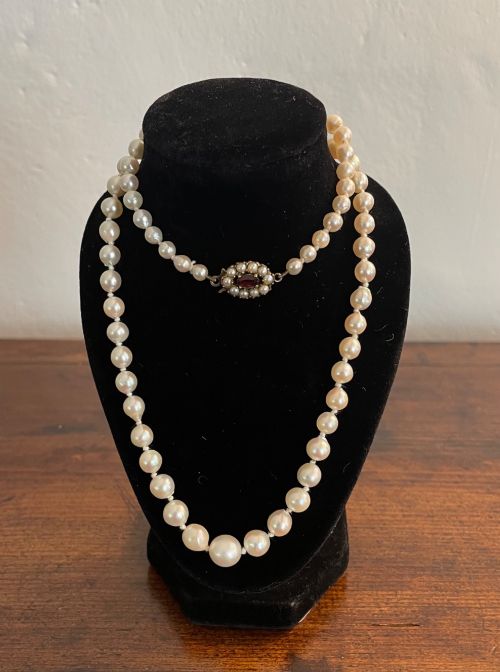
- An organic gem formed by introducing an irritant into an oyster under controlled conditions. The resulting pearls form the basis of the multi-strand necklaces and bracelets of the era.
- Princess cut
- A square or rectangular gemstone cut with numerous facets that maximise brilliance. This shape appears frequently in multi-gem stone bracelets from the mid-century period.
- Ballerina ring
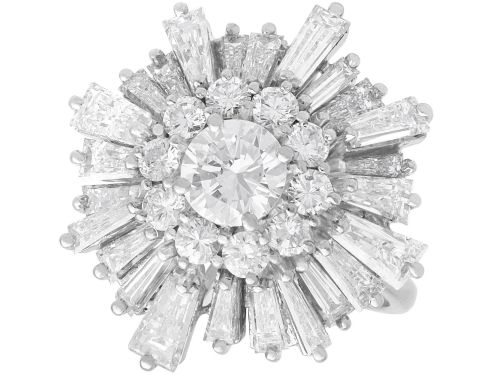
- A cocktail ring featuring a central stone encircled by a radiating fringe of tapered baguettes or diamonds, resembling a tutu. This silhouette defines prominent mid-century fine jewellery designs.
- AnchorCert
- An independent laboratory providing gemstone and pearl testing reports. These reports authenticate the origin and treatment status of pearls and precious stones.
1950s Gold Jewellery: Frequently Asked Questions
How do I care for vintage pearl necklaces?
Pearl strands require gentle handling and regular cleaning with a soft, damp cloth after wearing to remove oils and cosmetics. Avoid exposing them to harsh chemicals, perfumes, or ultrasonic cleaners.
Store pearls flat in a soft pouch rather than hanging them, as suspension stretches the silk thread over time. Periodic restringing by a professional jeweller prevents strand breakage.
What defines mid-century jewellery style?
Mid-century jewellery bridges retro bold forms and the sleeker lines of modernism, focusing on architectural silhouettes, cluster settings, and prominent cocktail stones. Designers embraced yellow and white gold equally, often contrasting the two metals within a single piece.
Gemstone combinations became more adventurous during this period, pairing turquoise with sapphires or rubies with aquamarines. The resulting items prioritise visual impact and sculptural presence over strict historical revivalism.
How can I date my gold jewellery accurately?
Dating relies heavily on official hallmarks stamped into the metal, which indicate the assay office, metal purity, and date letter corresponding to the year of manufacture. Maker marks provide additional clues for tracing specific workshops and operating periods.
Stylistic cues, stone cuts, and setting techniques also help narrow the timeframe to a specific decade. Documentation such as vintage certificates or original receipts further confirms the production era.