


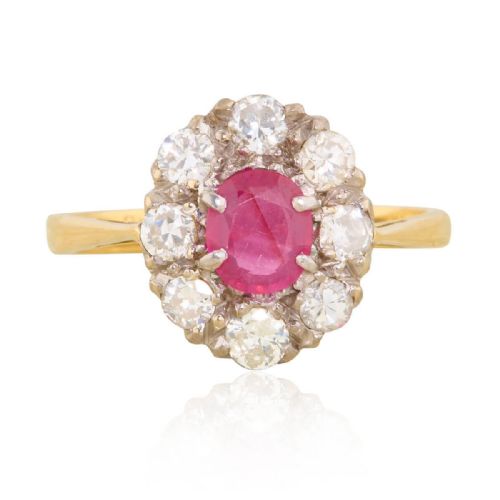


1950s Diamond Halo Ring
A 1950s diamond halo ring brings together mid-century central stones and surrounding brilliance that buyers prize for unmistakable period character.
1950s Diamond Halo Ring
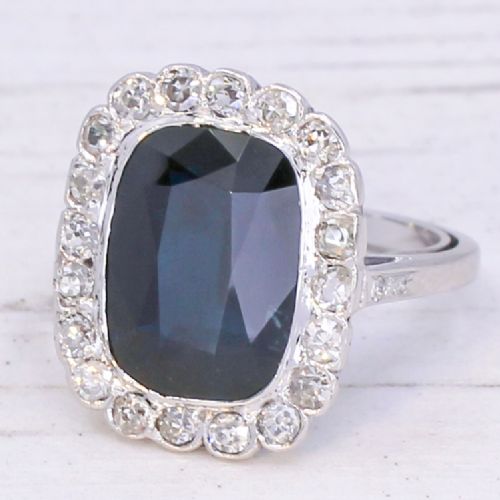
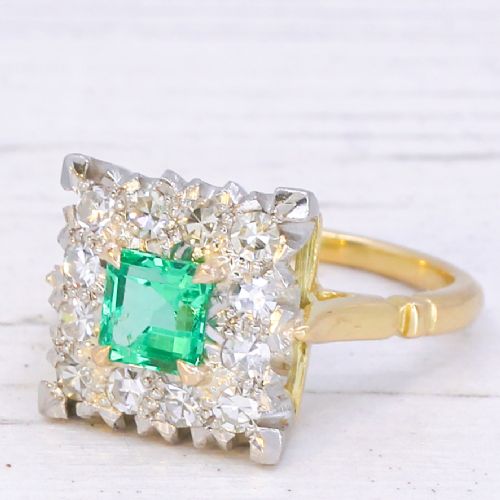
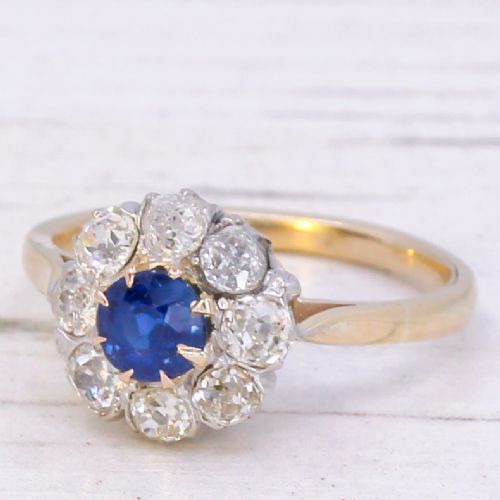
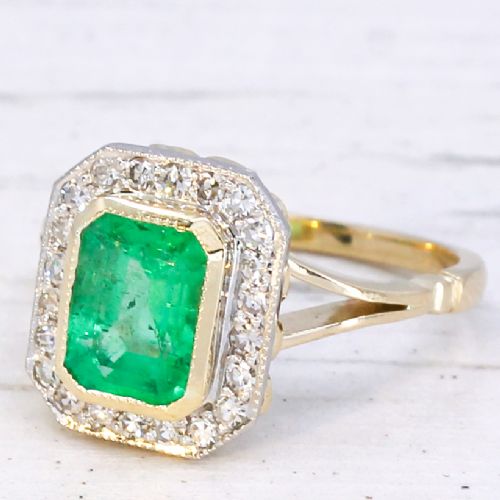
When you examine a 1950s diamond halo ring, you look at mid-century cluster and dress rings featuring central gemstones bordered by smaller diamonds. These pieces frequently date from around 1950 and showcase mid-century or 1950s French styles alongside Victorian revival interpretations.
The central stones span diamonds, sapphires, emeralds, rubies, aquamarines, and topaz. You meet sapphire and diamond combinations alongside emerald or ruby variants set within platinum or gold structures.
Cluster, daisy, ballerina, and cocktail formats dominate the forms available. Platinum and 18ct white or yellow gold serve as the primary mountings for these mid-century designs.
How they were made
Craftsmen built these rings utilising platinum alongside 18ct white gold, 18ct yellow gold, and occasional 9ct gold. These metals provided the necessary strength to support prominent central stones and intricate diamond surrounds.
Techniques combined traditional claw and cluster settings to secure old cut diamonds, pear cut sapphires, and emeralds. Jewellers arranged surrounding stones symmetrically to create distinct halo, daisy, and ballerina silhouettes.
Listings show platinum as a dominant metal alongside 18ct white and yellow gold, supporting diamonds, sapphires, emeralds, and rubies.
What varies in quality
The calibre of the central gemstone dictates the distinction at the upper end of the range. Stones with certified unheated status or minimal oil treatments command attention compared to standard commercial grades.
Metal choice and weight also separate standard examples from finer work. Heavier platinum mountings and complex ballerina configurations demand greater skill than lighter gold settings.
The 1950s Diamond Halo Ring Glossary
- Halo ring
- A ring style featuring a central gemstone encircled by a ring of smaller accent stones, typically diamonds. This arrangement maximises overall visual presence.
- Ballerina ring
- A complex cluster setting with radiating tapered baguettes or smaller stones resembling a ballerina's tutu. It creates a pronounced tiered profile.
- Unheated sapphire
- A sapphire that has undergone no thermal enhancement to improve colour or clarity. These natural stones are prized by collectors.
- Old cut diamond
- A diamond cut by hand before modern brilliant standards were established. They feature higher crowns and smaller tables.
- Cocktail ring
- A large, showy ring designed to be noticed during evening wear. They often incorporate substantial coloured stones and diamond surrounds.
1950s Diamond Halo Ring: Frequently Asked Questions
What defines a 1950s diamond halo ring?
A 1950s diamond halo ring centres on a primary gemstone, such as a diamond, sapphire, or emerald, surrounded by smaller accent diamonds. These mid-century pieces utilise platinum or 18ct white and yellow gold.
Designs span classic cluster formats, daisy rings, and elaborate ballerina configurations. The aesthetic reflects mid-century craftsmanship with occasional Victorian revival influences.
How do I care for my ring?
Protect your ring by removing it during manual labour, gardening, or sports to safeguard the central stones and delicate metal settings. Regular inspection of the claws prevents stone loss.
Clean the piece gently using warm water, mild detergent, and a soft brush to remove everyday oils. Avoid harsh ultrasonic cleaners if the ring contains treated emeralds.
Are these rings suitable for daily wear?
Platinum and 18ct gold mountings offer the durability required for regular wear when properly maintained. However, softer stones like emeralds or opals demand greater caution.
Consider the setting height and stone protrusion when deciding on daily use. Low-profile cluster and halo designs catch less on clothing during routine activities.
How do I identify a 1950s piece?
Examine the mounting style, metal purity hallmarks, and stone cut characteristics to determine the era. Mid-century rings frequently employ platinum or 18ct white gold alongside specific cluster arrangements.
Old cut diamonds or specific sapphire origins recorded in the evidence help corroborate the circa 1950 period. Comparing the construction to known mid-century forms confirms the origin.