



1940s Wristwatch
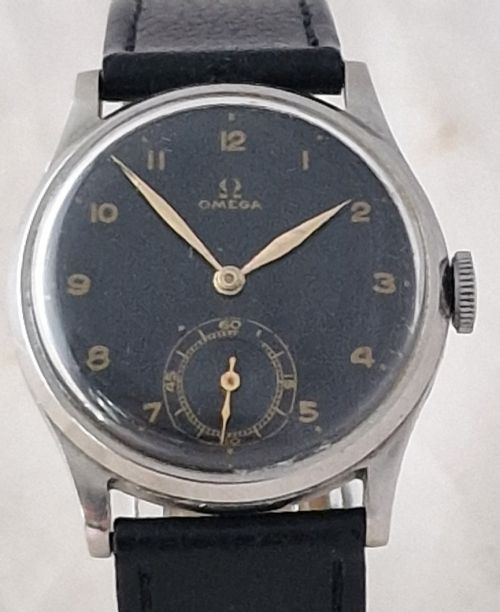
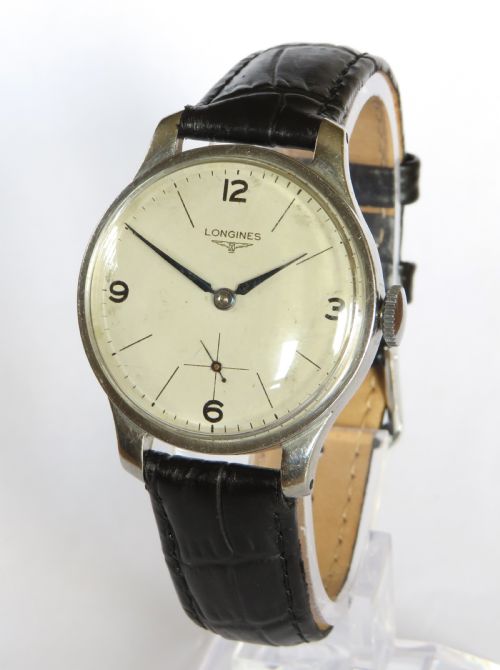
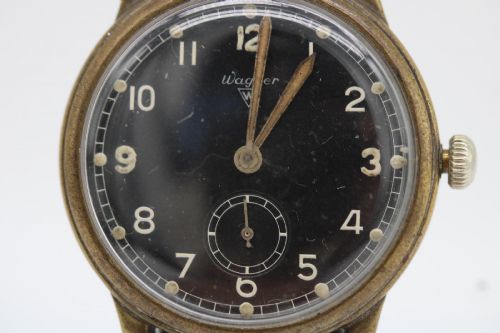
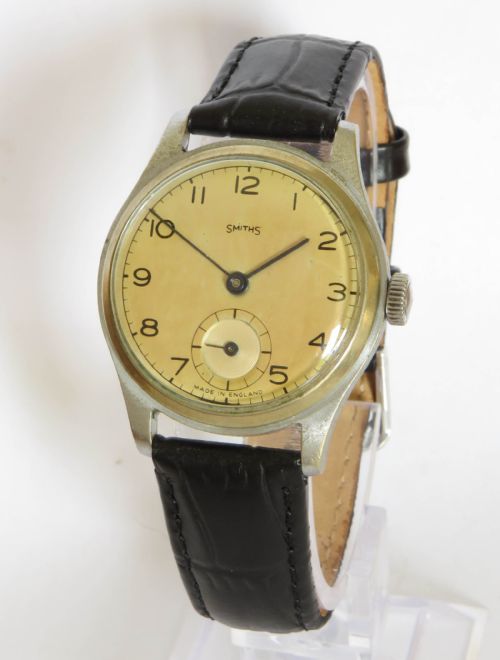
These 1940s wristwatch pieces bring functional design and wartime history to the wrist.
1940s Wristwatch
When a buyer looks for a 1940s wristwatch, they encounter timepieces spanning military service, dress wear, and civilian daily use.
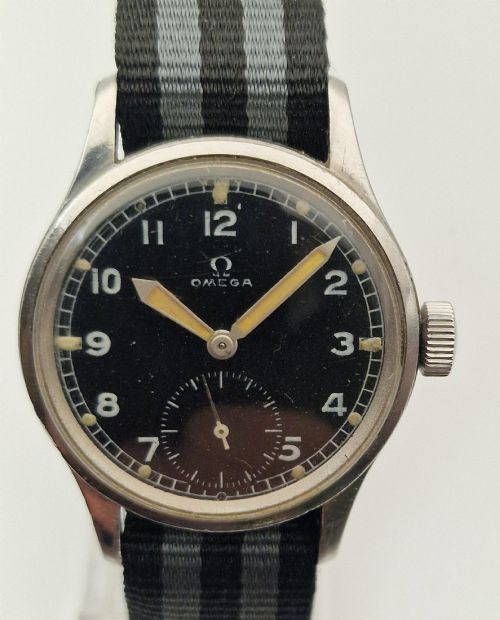
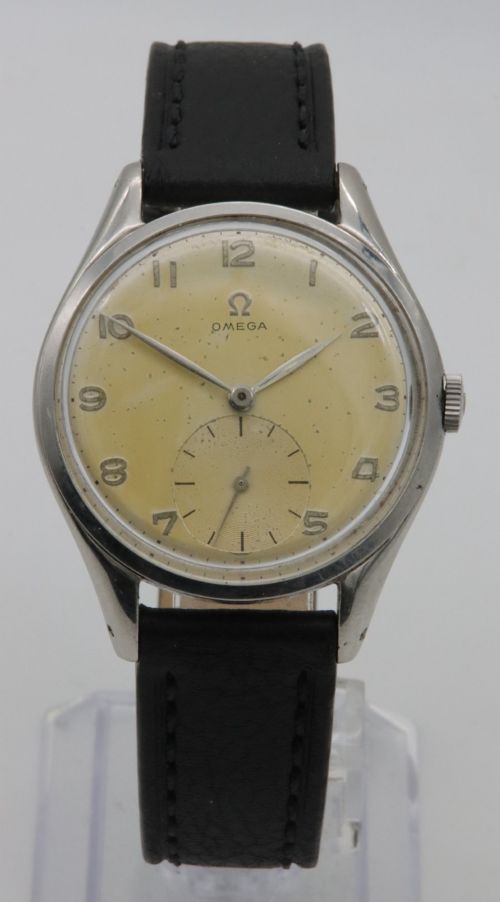
The most common examples on this page are men's manual wind wristwatches, with stainless steel or gold-plated cases and distinct military or Art Deco influences.
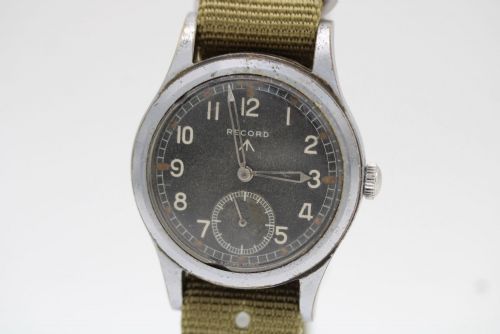
Pieces from this era range from utilitarian British and German military issues to refined dress models produced by Swiss and American makers.
Materials and Construction
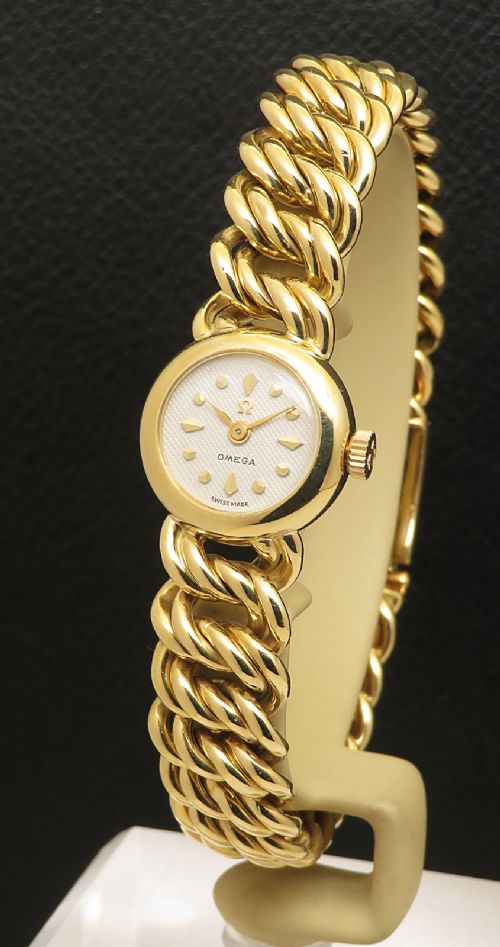
Cases utilise metals such as stainless steel, chrome, brass, platinum, and solid gold or gold fill, paired with glass or acrylic crystals and leather straps.
Movements rely on mechanical components driven by manual winding, housed in cases designed to meet the durability demands of mid-century life and service.
1940s Wristwatch Retail Price Guide 2026
Typical asking prices for 1940s wristwatch among the pieces listed under this phrase on Sellingantiques today, from the lower quarter to the upper quarter. They describe what is for sale here now, not the wider market.
Periods represented span the 1930s, 1940s, and 1950s, with a strong concentration of mid-century military and Art Deco designs.
Standards of Distinction
The distinction between ordinary and superior pieces rests on the originality of the dial, the precision of the movement, and the preservation of the case metals.
Military issues retain greater interest when service markings remain sharp, while dress watches distinguish themselves through precious metal cases and complex functions like chronographs or triple date displays.
Record·Omega·Wagner·Smiths·Longines·Roamer·Marvin·Enicar·Sperina·Ebel·Cyma·Revue·Ebana·Benrus·Le coultre·Mundus·Elgin·Bulova·Tudor·Breitling
The 1940s Wristwatch Glossary
- Chronograph
- A watch with a stopwatch function alongside the standard timekeeping hands. This complication adds extra sub-dials to the watch face.
- Manual wind
- A mechanical watch that requires the wearer to turn the crown by hand to tension the mainspring. These movements lack rotors found in automatic watches.
- Dirty Dozen
- A group of twelve military watch specifications commissioned by the British Ministry of Defence during the Second World War. These rugged timepieces share standardised military markings on the case back.
- New old stock
- Unused vintage inventory retained in original condition over decades. Such pieces typically show no wear from daily use.
1940s Wristwatch: Frequently Asked Questions
How do I wind a 1940s wristwatch?
Turn the crown clockwise between your thumb and forefinger until you feel slight resistance. Stop immediately to avoid damaging the mainspring.
Wind the watch at the same time each day to maintain consistent timekeeping performance.
Are these watches waterproof?
Most watches from this period lack modern rubber gaskets and screw-down crowns. Exposure to moisture can easily damage the dial and movement.
Keep these timepieces away from water, rain, and high humidity unless specifically built for military dive use.
How accurate are mechanical watches from this era?
A well-serviced mechanical movement typically gains or loses a minute per day. Variations occur due to temperature, position, and wear on internal gears.
Regular servicing by a watchmaker helps keep the timekeeping within acceptable historical tolerances.
Can I wear a vintage watch daily?
Daily wear is possible if the watch has been recently serviced and handled with care. Avoid wearing them during heavy physical activities or sports.
Treating the delicate gears and vintage straps gently ensures longevity for regular use.