

1940s Ring
When you handle a 1940s ring, you hold a piece of mid-century design forged through wartime austerity into bold, sculptural jewellery.
1940s Ring
A 1940s ring spans robust cocktail designs, geometric cluster formats, and simpler engagement or stacking bands originating from the 1930s to the 1950s.
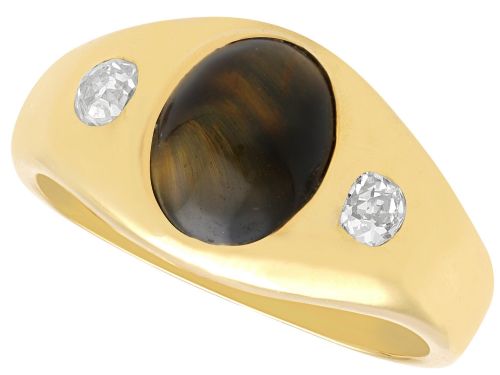
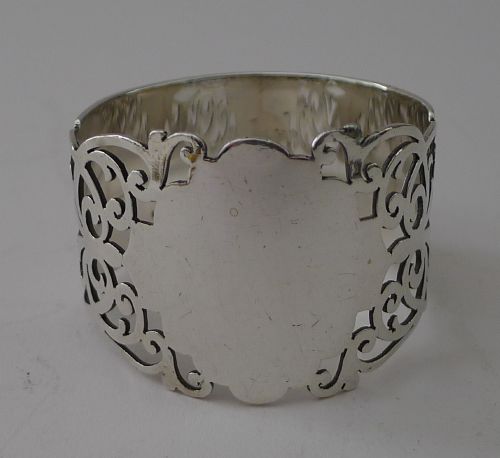
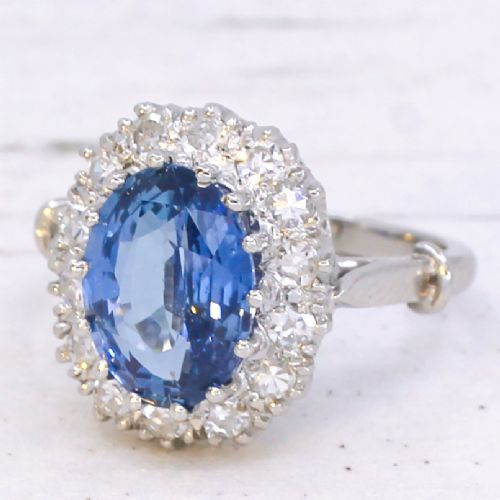
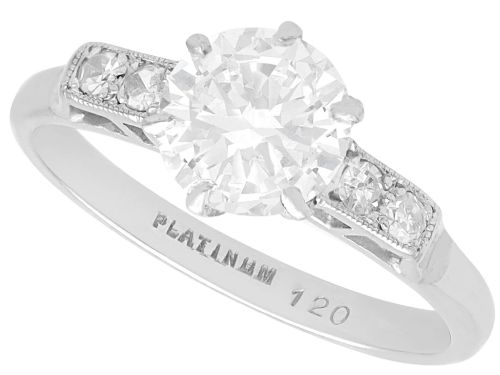
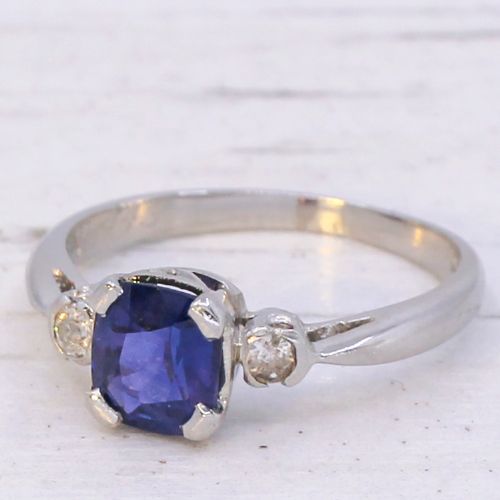
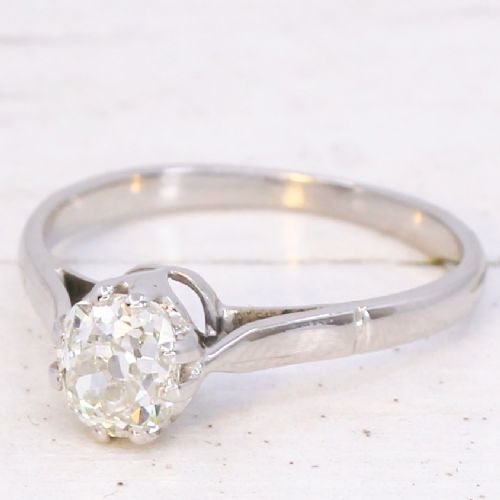
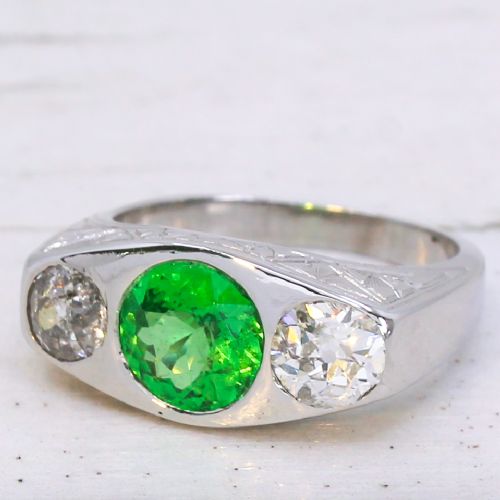
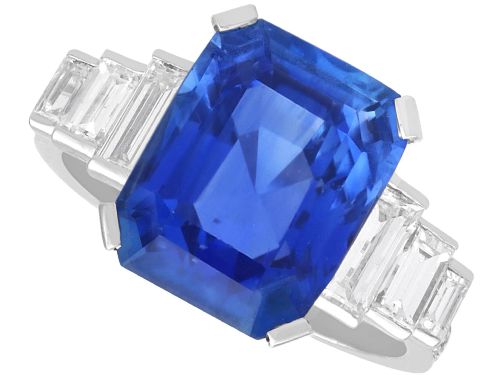
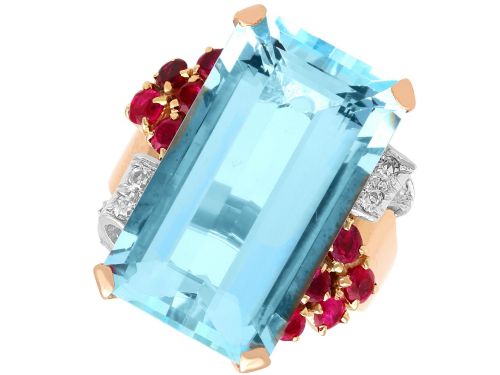
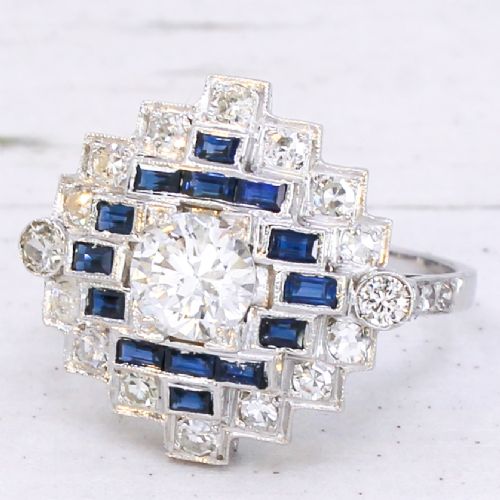
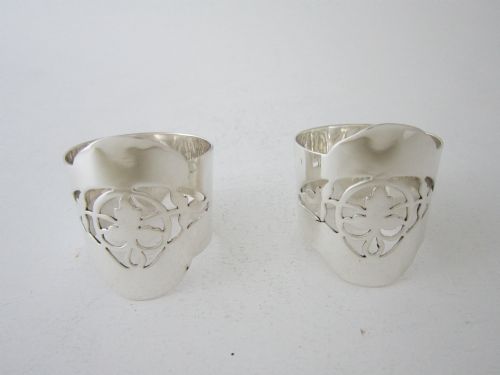
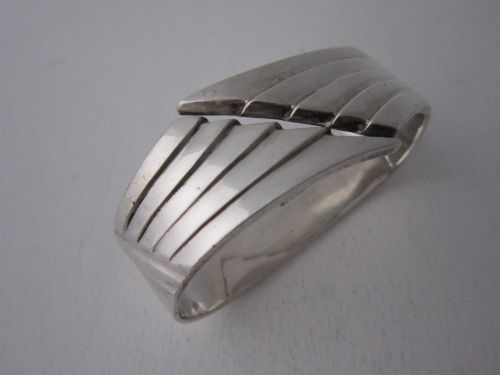
Buyers encounter substantial platinum and gold mountings set with substantial old-cut diamonds, sapphires, rubies, and aquamarines, alongside sterling silver domestic napkin rings.
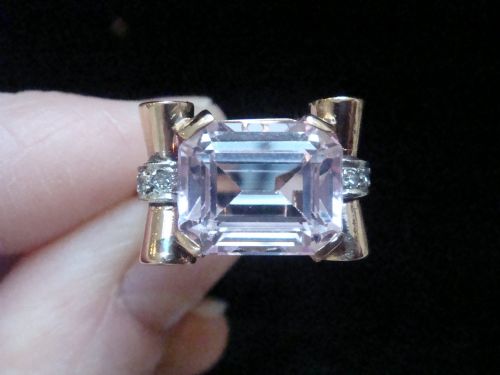
The aesthetic bridges late Art Deco rigidity and the heavy, volumetric curves of Retro Modern tank styling.
Materials and construction
Goldsmiths utilised platinum and various grades of gold, including 18ct yellow and white gold, alongside 14ct and 9ct variants, to construct heavy, durable settings.
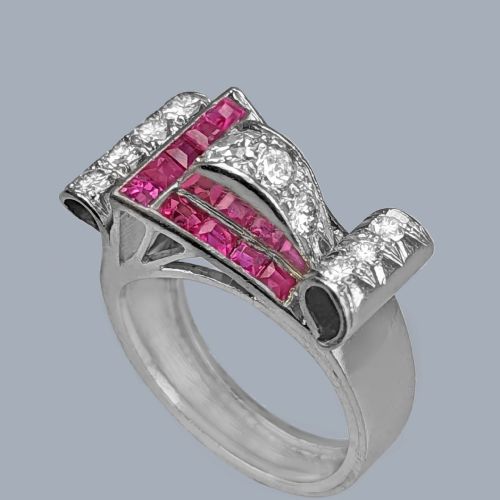
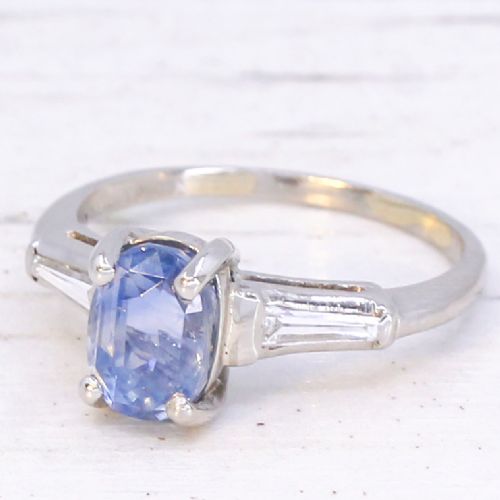
Gemstones such as old-cut diamonds, Ceylon sapphires, rubies, kunzite, and aquamarines were flush-set or clustered tightly within stepped shoulders and ribbon-like metal folds.
1940s Ring Retail Price Guide 2026
Typical asking prices for 1940s ring among the pieces listed under this phrase on Sellingantiques today, from the lower quarter to the upper quarter. They describe what is for sale here now, not the wider market.
Listings feature platinum, yellow gold, white gold, and rose gold paired with diamonds, sapphires, rubies, and aquamarines.
Determinants of quality
Quality rests upon the weight and sculptural execution of the metalwork, distinguishing flat stampings from heavy, hand-finished tank styles.
The calibre of the central gemstones, particularly unheated sapphires or substantial old-cut diamonds with clean facets, elevates the piece significantly.
R. E. Stone
The 1940s Ring Glossary
- Tank ring
- A bulky, sculptural ring style popular during the 1940s, named for its resemblance to military tank treads and heavy machinery.
- Old cut
- A diamond facet arrangement predating modern brilliant cuts, characterised by smaller tables, higher crowns, and deep culets that catch candlelight.
- Cluster ring
- A jewellery design featuring a prominent central stone surrounded by a tight formation of smaller accent gems.
- Trilogy ring
- A three-stone ring setting typically symbolising the past, present, and future, often featuring graduated diamonds or coloured gemstones.
- Cocktail ring
- A large, dramatic ring designed to draw attention during evening social gatherings, frequently utilising oversized coloured centre stones.
1940s Ring: Frequently Asked Questions
What defines a 1940s ring style?
These pieces combine geometric Art Deco geometry with heavy, sculptural curves and chunky goldwork characteristic of wartime and post-war design.
Settings often incorporate stepped shoulders, ribbon motifs, or tank-style architecture that prioritised bold visual impact during a period of metal rationing.
Are these rings suitable for daily wear?
Many designs utilise durable metals like platinum and 18ct gold paired with secure flush or bezel settings that handle everyday use well.
Sturdier engagement bands and solid signet rings suit constant wear, while high-set cocktail pieces with large stones require more mindful handling.
How do I identify a true 1940s engagement ring?
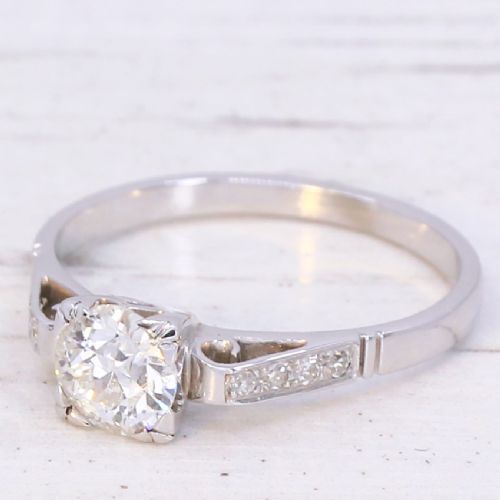
Look for characteristic old-cut diamonds secured in platinum or white gold heads atop yellow gold shanks, reflecting the transitional aesthetic of the decade.
Maker marks, Birmingham assay stamps, and specific construction techniques like heavy casting further help anchor the piece to the 1940s period.
What gemstones appear in these vintage rings?
Diamonds, rubies, and sapphires dominate the selection, including notable Ceylon and Kashmir stones alongside aquamarines, amethysts, and black onyx.
Gemstones are frequently old-cut and set alongside decorative elements like chrysoberyl, kunzite, and synthetic paste in coloured varieties.