

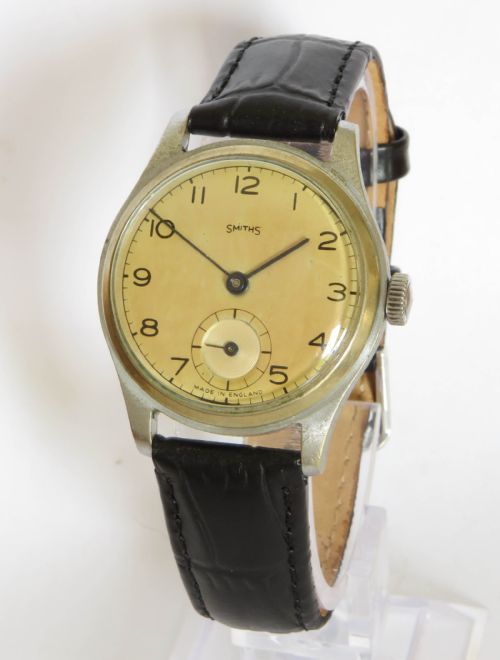
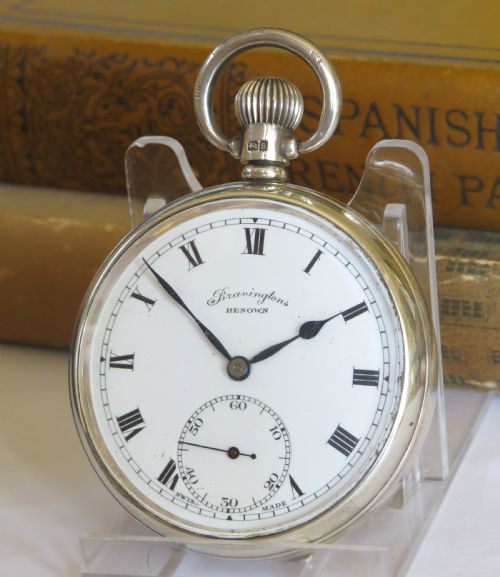
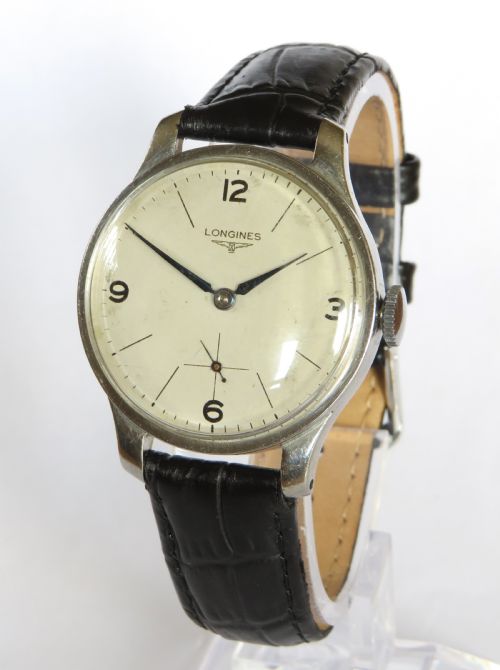


1940s Mechanical Dress Watch
A 1940s mechanical dress watch brings reliable mid-century engineering and classic proportions to the wrist.
1940s Mechanical Dress Watch
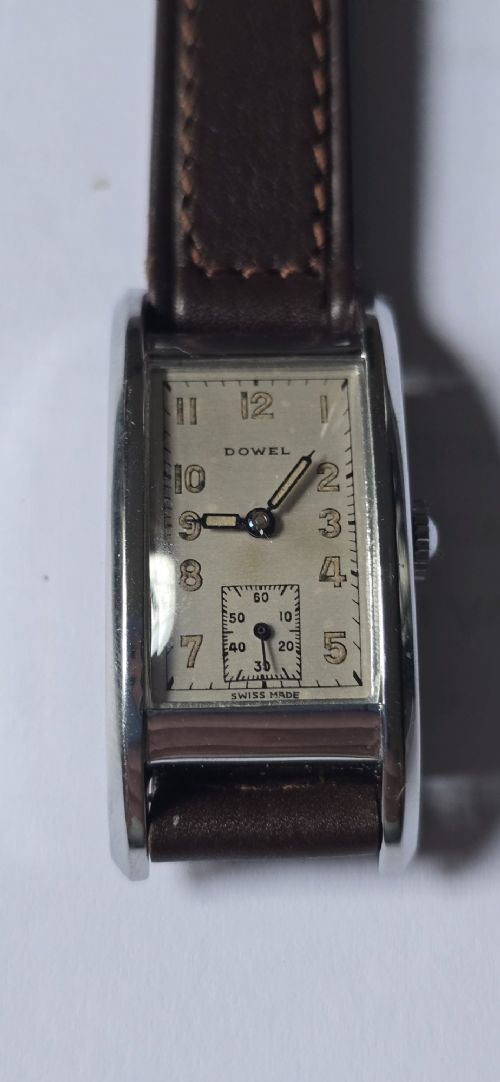
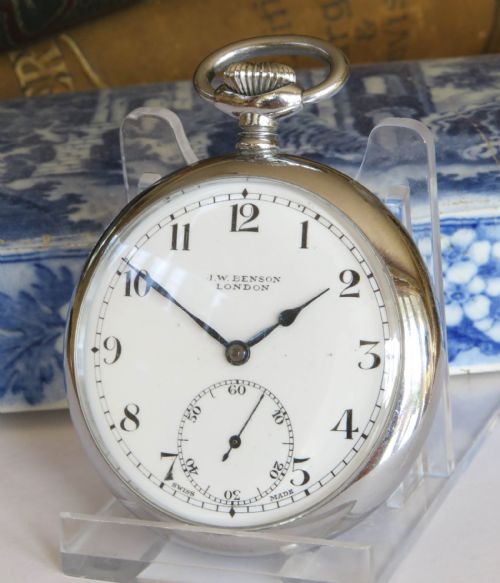
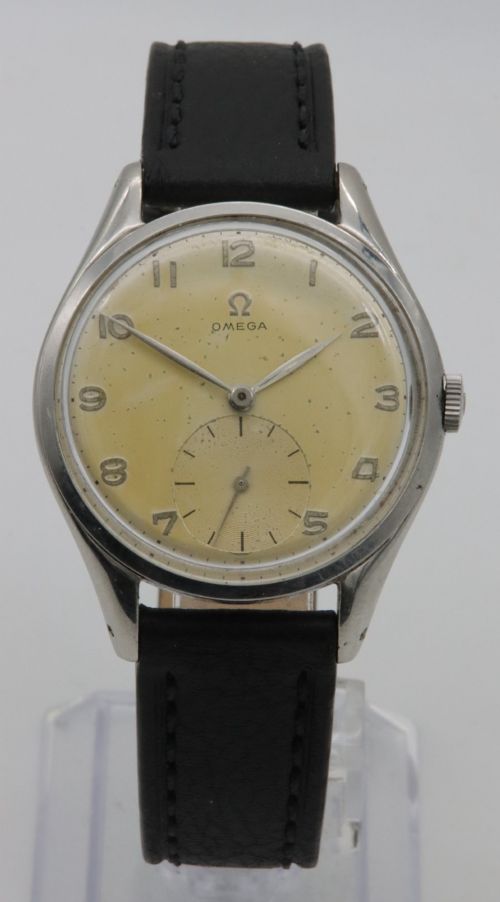
A 1940s mechanical dress watch represents a period of robust horology spanning the 1930s to the 1950s, encompassing both wristwatches and pocket watches. Collectors encounter styles ranging from Art Deco geometry to mid-century modern design.
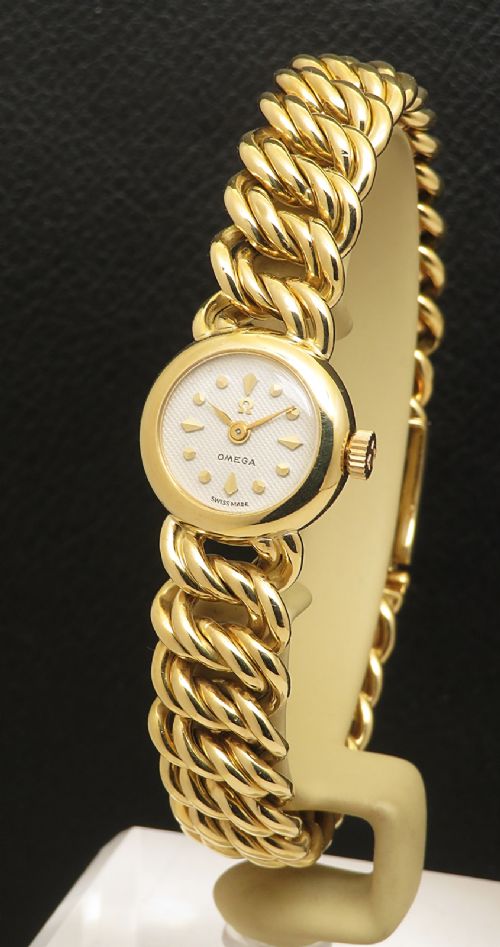
The selections recorded here include makers from England, France, and Switzerland, housed in cases of stainless steel, chrome, gold plate, and solid yellow gold. Dials frequently display enamel finishes or mother-of-pearl details behind glass and acrylic crystals.
Materials and construction
Watchmakers of this decade utilised metals such as stainless steel, chrome, and solid gold alongside gold-filled and gold-plated housings to protect the delicate movements within. Dials were fitted with glass or acrylic crystals to cover enamel surfaces and mother-of-pearl inlays.
Mechanical calibres, including automatic bumper movements, drove these timepieces through manual winding or wrist motion. Straps fashioned from leather secured the wristwatches safely during daily wear.
1940s Mechanical Dress Watch Retail Price Guide 2026
Typical asking prices for 1940s mechanical dress watch among the pieces listed under this phrase on Sellingantiques today, from the lower quarter to the upper quarter. They describe what is for sale here now, not the wider market.
Some watches recorded here have ticked faithfully for over eighty years, quietly outliving the original owners who first wound them in the nineteen-forties.
Markers of quality
Superior examples distinguish themselves through the pedigree of the movement and the integrity of the precious metal case, such as solid 18ct yellow gold or 9ct gold. Precision engineering by established Swiss and British houses separates standard utility pieces from collector grades.
Originality of dial components, such as enamel work and mother-of-pearl inserts, elevates an item's standing. Complete sets including original boxes and papers further separate standard watches from museum-grade specimens.
Omega·Smiths·Bravingtons·Helvetia·Marvin·Enicar·Cyma·Ebana·Le coultre·Elgin
The 1940s Mechanical Dress Watch Glossary
- Calibre
- The specific internal movement design and model created by the watchmaker. This identifier helps historians date and attribute the mechanism accurately.
- Bumper automatic
- An early self-winding movement where the rotor swings back and forth within an arc, rebounding off springs rather than spinning fully. This mechanical style defines mid-century automatic watches.
- Gold filled
- A dense layer of gold mechanically bonded to a base metal core, offering greater durability than standard plating. It was a popular method for creating accessible gold-appearance cases.
- Acrylic
- A lightweight transparent plastic material utilised for watch crystals during the mid-century period. It could be easily moulded into curved shapes and polished to remove scratches.
1940s Mechanical Dress Watch: Frequently Asked Questions
How do I wind a mechanical watch?
Turn the crown clockwise between your thumb and forefinger until you feel gentle resistance. Stop immediately to avoid damaging the mainspring.
Most vintage watches require daily winding if they lack an automatic bumper mechanism. Set the hands only after ensuring the movement is fully wound.
Are these watches suitable for daily wear?
These timepieces can be worn regularly provided they receive proper care and routine servicing. Leather straps and mechanical movements require gentle treatment compared to modern quartz alternatives.
Keep older watches away from water and magnetic fields to preserve the internal components. Regular maintenance by a watchmaker ensures reliable timekeeping.
What is an automatic bumper movement?
An automatic bumper is an early self-winding mechanism where an internal weight swings back and forth to tension the mainspring. Instead of rotating in a full circle, springs cushion the weight at each end of its travel.
Wearers can often feel a slight tap on the wrist as the weight moves. This innovation bridges manual-winding watches and modern fully rotating rotors.
How do I identify the period of a watch?
Examine the stylistic cues, such as Art Deco geometric numerals or mid-century minimalist dial layouts. Case materials and stamped hallmarks also point directly to manufacturing eras.
Serial numbers engraved on the movement or case back often allow precise dating through maker archives. Documentation like original papers provides definitive verification.