



1935 Cocktail Ring
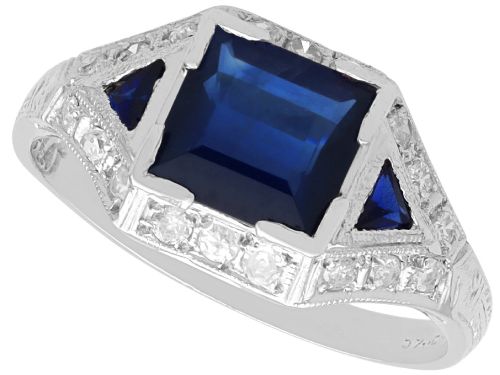
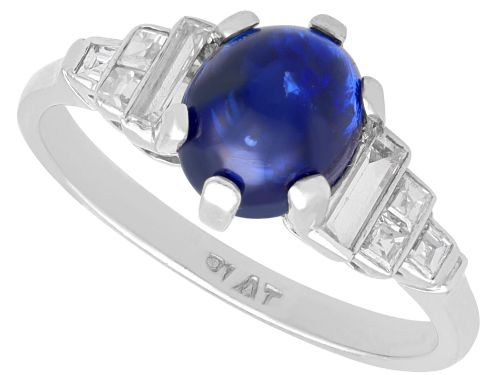
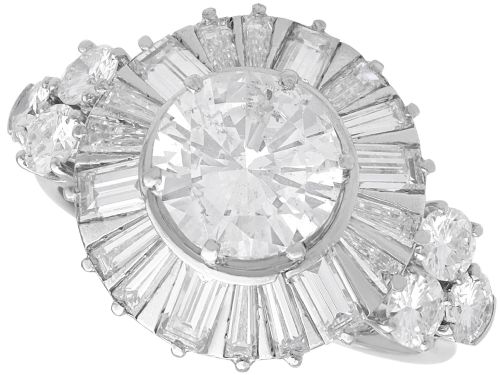
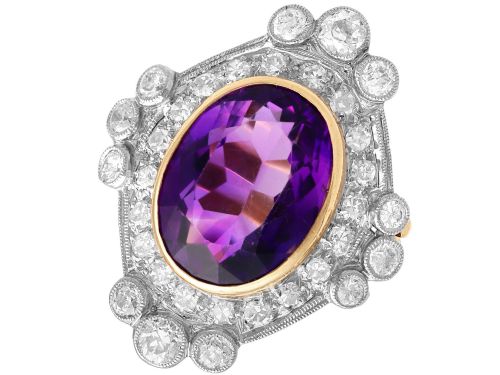
A 1935 cocktail ring brings brilliant Art Deco geometry and substantial coloured stones to the hand.
1935 Cocktail Ring
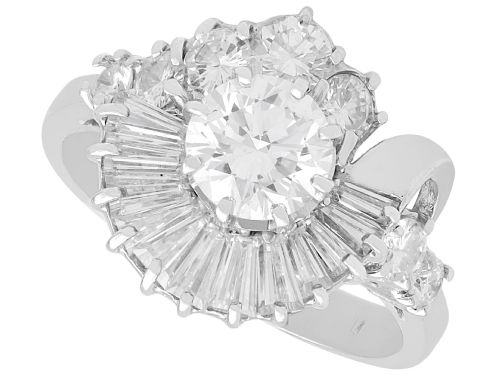
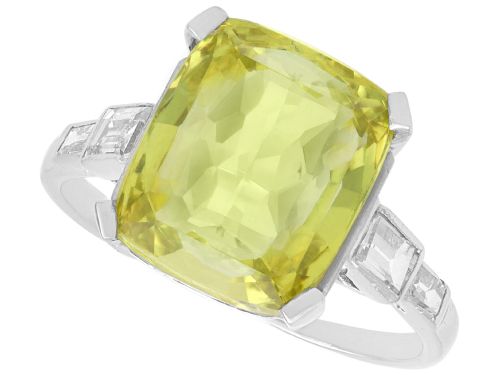
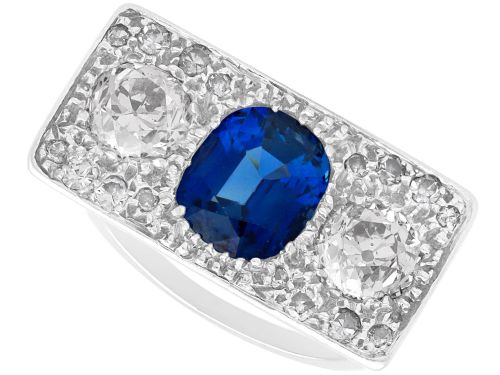
When you examine a 1935 cocktail ring, you are looking at substantial dress rings created during the height of the Art Deco period. These pieces are designed to make an impact, featuring prominent central gemstones surrounded by intricate diamond work.
The versions you meet most frequently on this page combine platinum or 18ct white gold with large sapphires, emeralds, rubies, or amethyst. They follow the geometric discipline of the 1930s while showcasing large, individual stones.
Originating from British and French workshops, these rings serve as quintessential examples of mid-1930s high jewellery design. Each piece balances architectural metalwork with generous carat weights.
Materials and construction
The metalwork relies heavily on platinum and 18ct white gold, which provided the strong, bright setting required for secure geometric arrangements. Yellow gold also appears, particularly in cluster configurations supporting amethysts and rubies.
Central stones such as diamonds, sapphires, emeralds, and chrysoberyl are shaped into cabochons or faceted cuts, then framed by smaller pavé or bezel-set diamonds. This technique maximises the play of light across the face of the ring.
1935 Cocktail Ring Retail Price Guide 2026
Typical asking prices for 1935 cocktail ring among the pieces listed under this phrase on Sellingantiques today, from the lower quarter to the upper quarter. They describe what is for sale here now, not the wider market.
Listings feature platinum and 18ct gold set with diamonds, sapphires, emeralds, rubies, amethysts, and moonstones under the Art Deco style.
Distinctions in quality
The upper tier of these rings is defined by the natural origin, clarity, and treatment status of the primary gemstone, alongside significant carat weight. Untreated or minor-oil emeralds and unheated sapphires command particular respect.
Execution of the platinum or gold mounting also sets examples apart, with superior pieces displaying precise piercing, crisp millegrain edges, and secure stone placement that withstands decades of wear.
The 1935 Cocktail Ring Glossary
- Art Deco
- A design style spanning the 1920s and 1930s characterised by symmetry, geometric motifs, and streamlined forms. It superseded the flowing lines of the Edwardian and Art Nouveau periods.
- Platinum
- A dense, durable precious metal favoured in 1930s jewellery for its strength and bright white finish. It allowed jewellers to create delicate-looking settings that held heavy stones securely.
- Cabochon
- A gemstone shaped and polished with a smooth, rounded surface rather than faceted. This cut is frequently utilised for large sapphires and emeralds from this era.
- Cluster ring
- A ring design featuring a prominent central stone encircled by a border of smaller stones, typically diamonds. This layout maximises visual presence on the finger.
1935 Cocktail Ring: Frequently Asked Questions
What is a 1935 cocktail ring?
A 1935 cocktail ring is a large dress ring created during the Art Deco era, designed for evening wear with substantial central gemstones.
These pieces typically combine platinum or white gold with significant sapphires, emeralds, rubies, or diamonds.
How do I wear a 1935 cocktail ring?
These rings are statement pieces intended to be worn on the hand as a focal point of evening attire.
Due to their size and historical nature, it is sensible to remove them during heavy manual tasks to protect the setting.
Are these rings made of platinum?
Many listings from this period utilise platinum for its strength and bright white appearance, which suited geometric designs.
Alternative constructions employ 18ct white gold or yellow gold depending on the specific workshop and gemstone combination.
How do I identify Art Deco style?
Art Deco jewellery is recognised by its clean lines, symmetrical patterns, and structured geometric arrangements.
It contrasts with earlier decorative styles by embracing industrial modernity and architectural forms.