



1930s Wooden Drawers
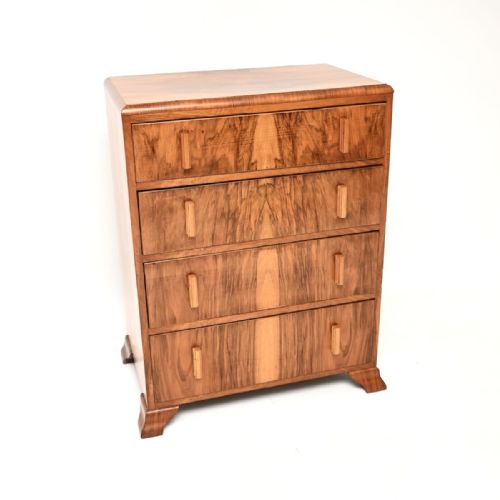
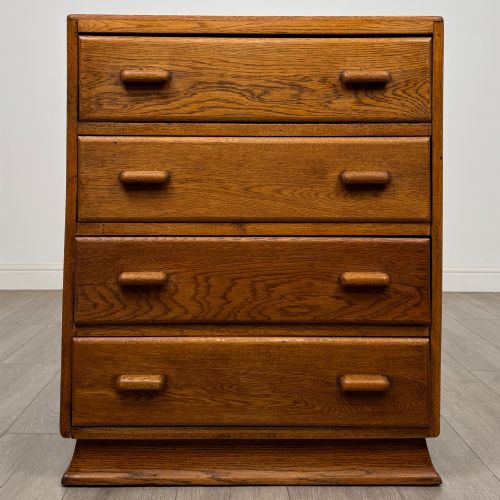
These 1930s wooden drawers bring genuine period character to a room, offering practical storage fashioned from rich walnut, oak, and mahogany.
1930s Wooden Drawers
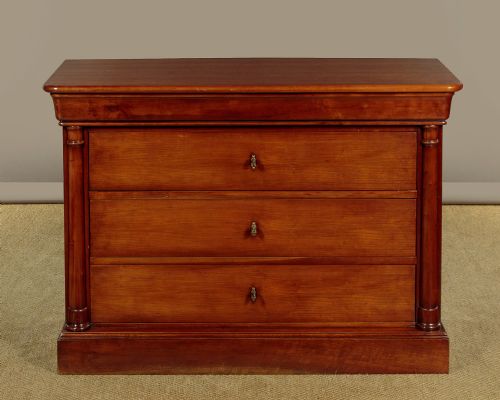
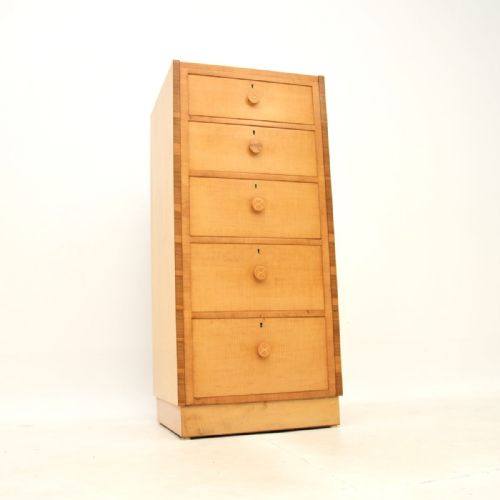
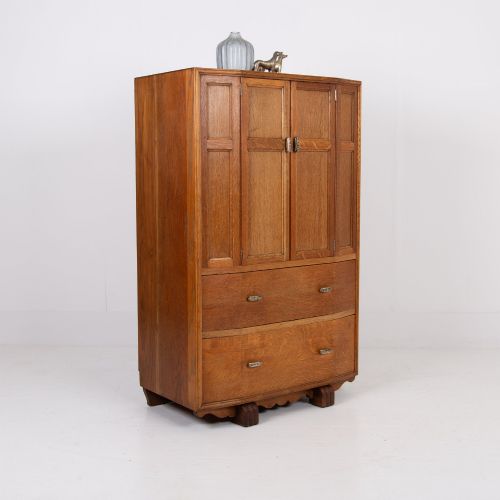
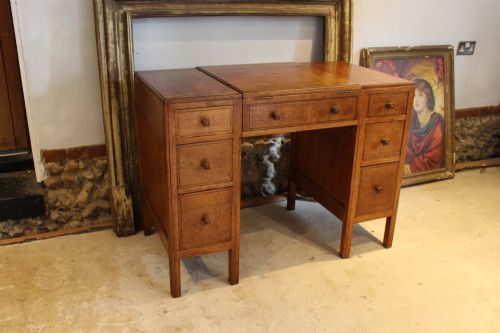
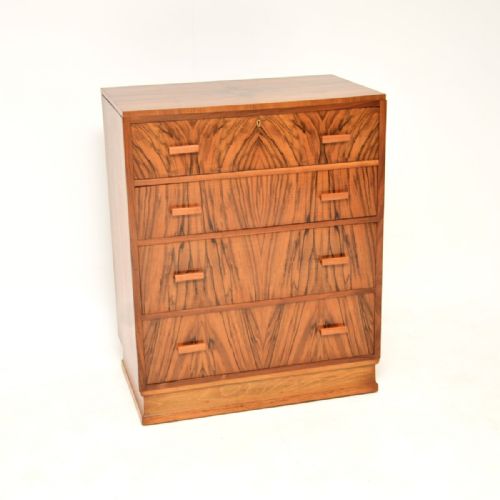
When searching for 1930s wooden drawers, buyers encounter a diverse selection of furniture spanning chests of drawers, tallboys, bedside cabinets, and dressing tables. The pieces originate primarily from the 1930s, alongside examples from the 1920s and the Edwardian period, reflecting the design shifts of the early twentieth century.
The aesthetic range is broad, taking in Art Deco styling, 1930s country pieces, Arts and Crafts influences, and occasional revivals like Regency or Louis XV style. Oak and walnut dominate the selection, appearing alongside mahogany, pine, and exotic veneers.
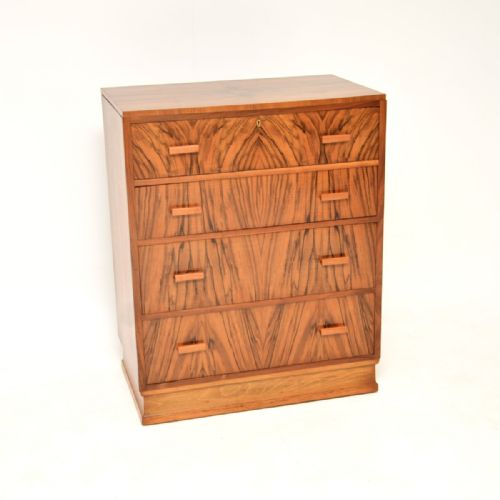
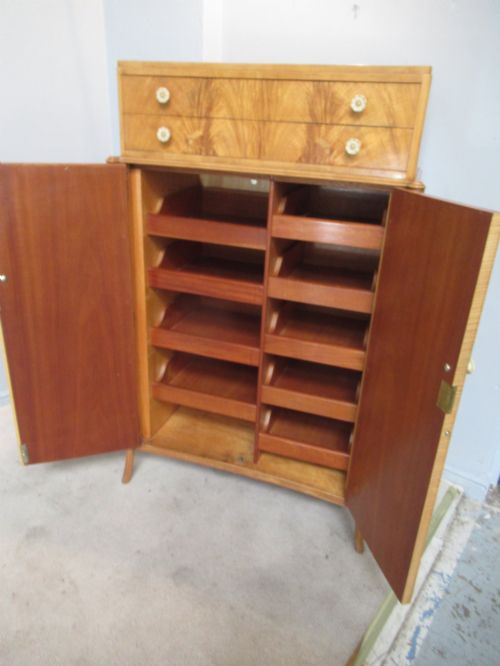
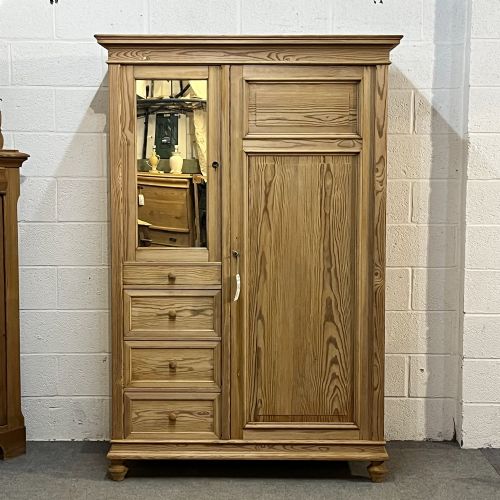
Chest of drawers and tallboy forms are the most common variants on this page, serving traditional bedroom and study storage needs. Alongside standard chests, buyers find specialised items such as office desks, compactums, and spice cabinets.
How they were made
Cabinet makers of this period relied on solid hardwoods like oak, mahogany, and pine for structural integrity and longevity. These timbers provided a robust foundation for both utilitarian office furniture and refined domestic bedroom pieces.
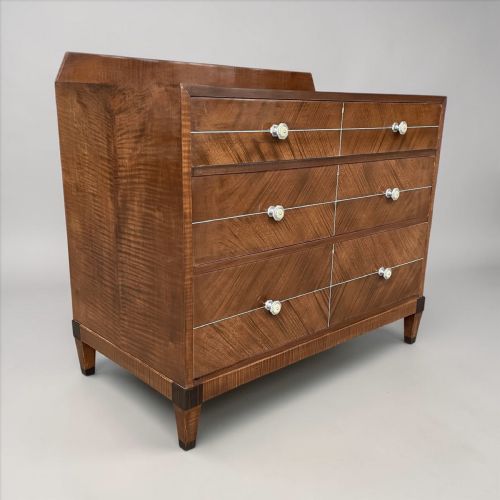
Veneering techniques allowed craftsmen to display the dramatic grain patterns of figured walnut and exotic woods across large drawer fronts and cabinet doors. This surface treatment defined the look of Art Deco pieces, pairing rich timbers with contrasting metal or brass handles.
1930s Wooden Drawers Retail Price Guide 2026
Typical asking prices for 1930s wooden drawers among the pieces listed under this phrase on Sellingantiques today, from the lower quarter to the upper quarter. They describe what is for sale here now, not the wider market.
Listings feature oak, walnut, mahogany, and pine, reflecting the dominant timber choices of the 1930s and Edwardian eras.
What varies in quality
The distinction between ordinary and exceptional pieces lies in the selection of timber and the precision of the cabinet work. Finer items utilise figured walnut, sycamore, or kingwood, with careful attention paid to the matching of wood veneers across the drawer fronts.
Design attribution and workshop origin elevate certain pieces above standard utility furniture. Signed works or labelled items from notable makers demonstrate superior construction methods and distinctive stylistic execution compared to anonymous workshop output.
Hille·Heal & Sons·Maurice Adams·Bowman Brothers
The 1930s Wooden Drawers Glossary
- Art Deco
- A design style spanning the 1920s and 1930s characterised by geometric forms, stylised motifs, and sleek lines. It influenced everything from bedroom chests of drawers to office desks.
- Compactum
- A large wardrobe or combined storage unit incorporating hanging space, shelves, and internal drawers. These pieces offer versatile storage within a single footprint.
- Tallboy
- A tall chest of drawers, often combining a narrow chest with a cupboard section or additional drawer tiers. They maximise vertical storage space in smaller rooms.
- Veneer
- A thin layer of decorative wood applied to a stable secondary timber base. Figured walnut and exotic woods were frequently utilised in this manner for drawer fronts.
- Tambour
- A sliding door constructed from narrow vertical strips of wood glued to a flexible backing fabric. This mechanism is commonly found on office filing cabinets and desks.
1930s Wooden Drawers: Frequently Asked Questions
What is a compactum wardrobe?
A compactum is a multi-functional wardrobe that combines hanging space with built-in drawers and shelving.
These pieces were designed to consolidate various bedroom storage needs into a single footprint.
How do I identify Art Deco furniture?
Art Deco furniture is recognised by its clean geometric lines, symmetry, and use of figured veneers like walnut.
These pieces often feature subtle curves and contrasting grain patterns rather than heavy carving.
Where should I place a tallboy?
A tallboy works well in bedrooms or dressing rooms where floor space is limited.
Its vertical design provides substantial drawer storage without taking up a large area.