

1930s Wood Cabinet
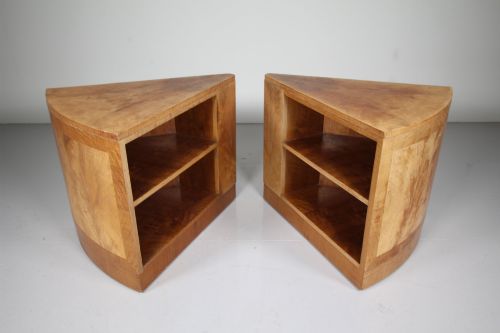
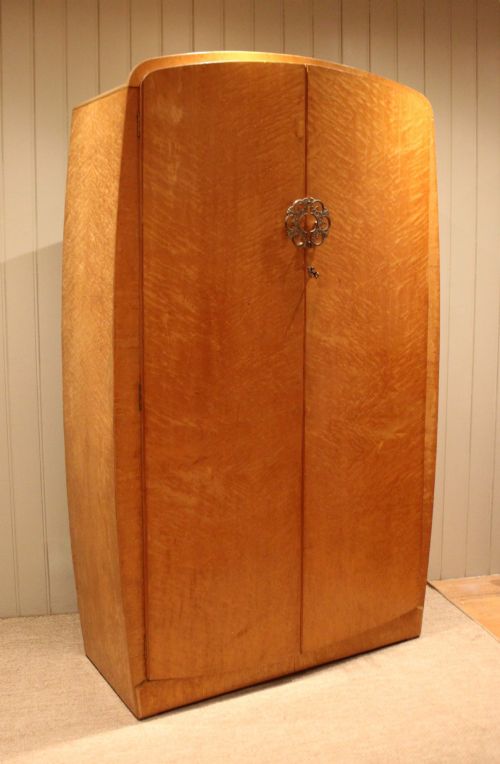
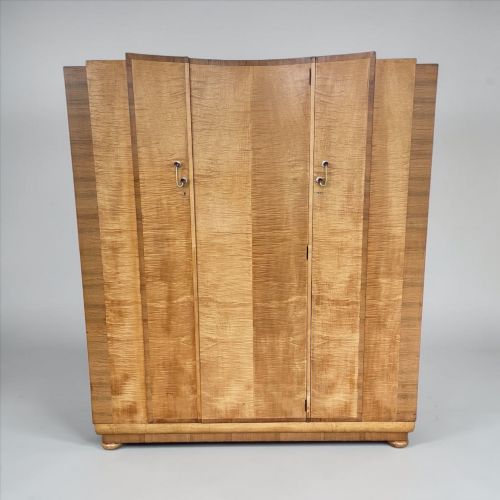
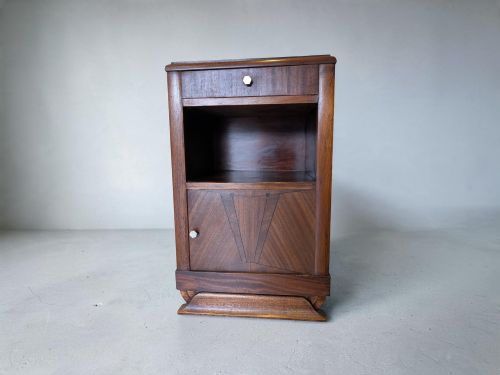
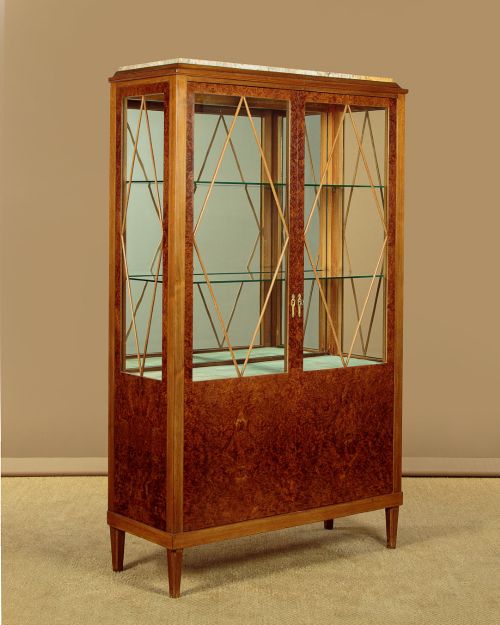
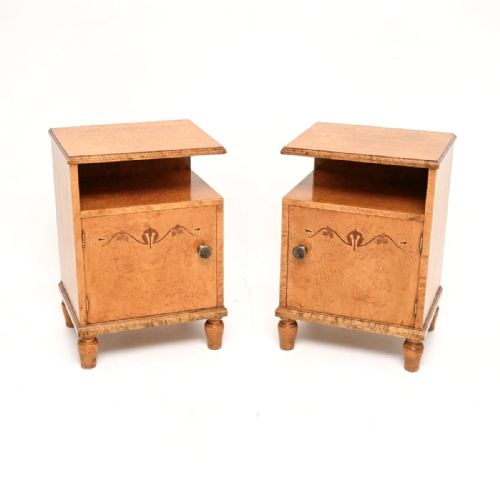
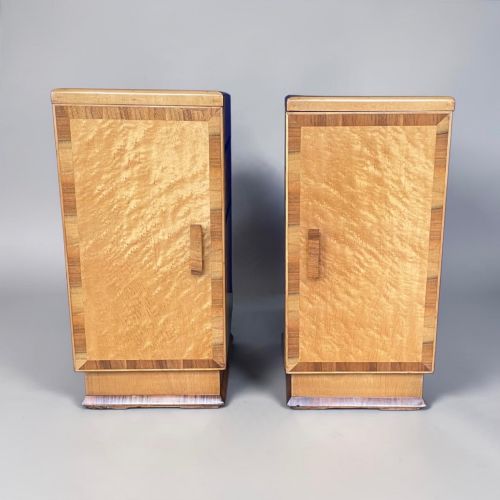
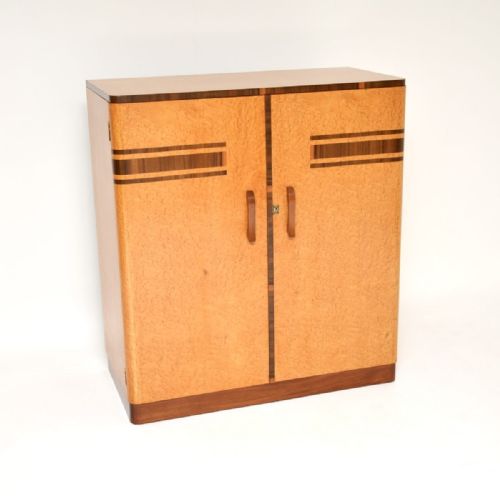
A 1930s wood cabinet brings bold grain patterns and practical storage to a room.
1930s Wood Cabinet
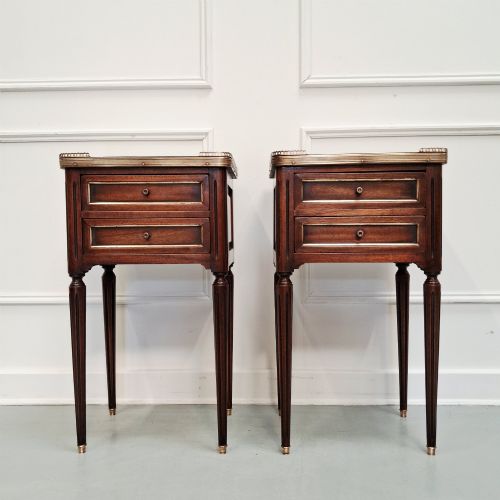
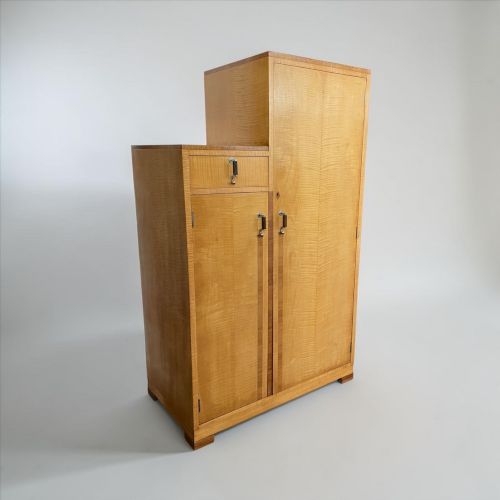
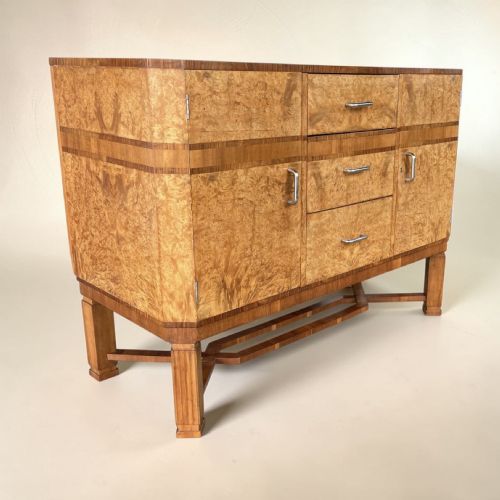
A 1930s wood cabinet encompasses functional items designed for storage, display and hospitality within the home. The selections here range from bedside tables and compactum wardrobes to cocktail cabinets and sideboards.
Art Deco styling predominates alongside occasional periods such as Edwardian and the 1940s. Forms lean towards geometric lines, curved corners and fitted interiors tailored for modern living of that era.
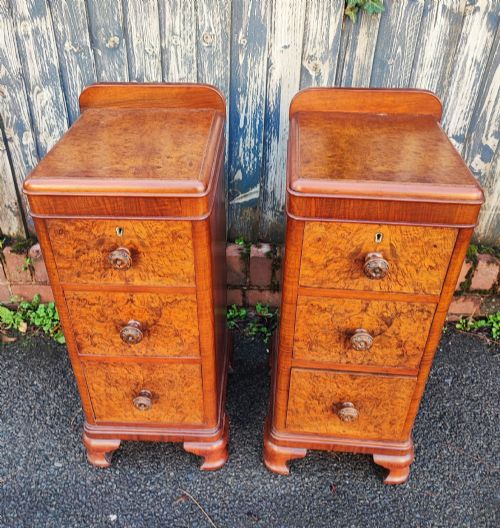
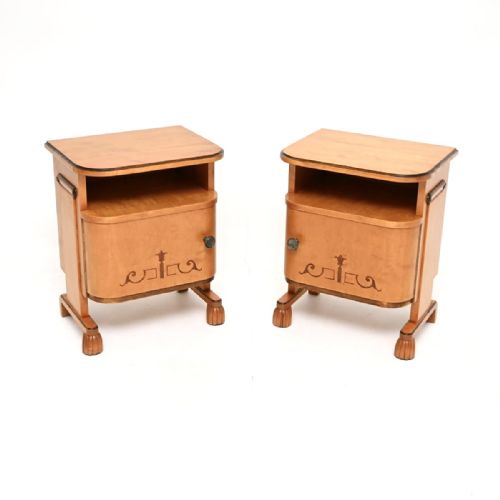
Origins span British workshops, French studios and Swedish makers. The version most frequently encountered on this page is the bedside cabinet or bedside table executed in walnut or birch.
Materials and construction
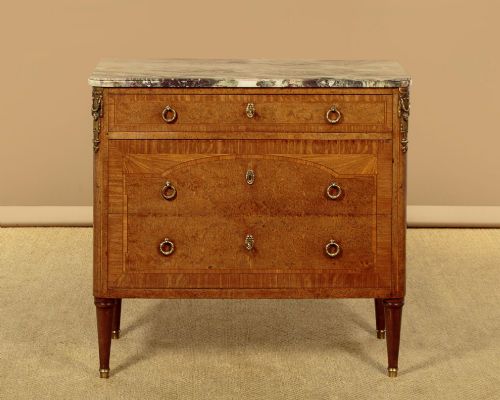
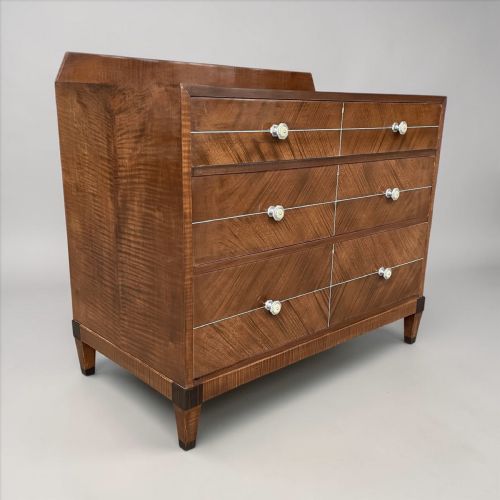
Construction relies heavily on figured veneers applied to stable core timbers. Cabinetmakers utilised burr walnut, bird's-eye maple, satin birch, cherry and mahogany to create striking symmetrical patterns across doors and drawer fronts.
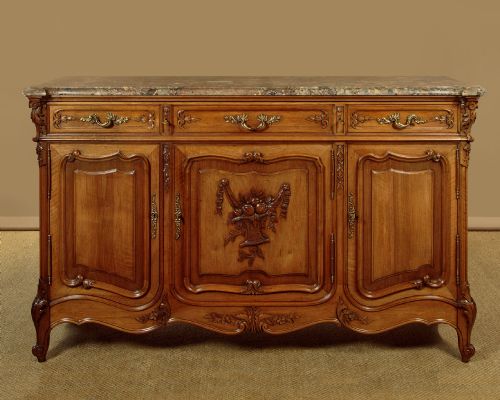
Metal and stone details frequently accompany the wood. Brass handles, chrome trims, bakelite accents and inlaid marble tops provide contrast and finish to the architectural silhouettes.
1930s Wood Cabinet Retail Price Guide 2026
Typical asking prices for 1930s wood cabinet among the pieces listed under this phrase on Sellingantiques today, from the lower quarter to the upper quarter. They describe what is for sale here now, not the wider market.
Listings feature walnut, bird's-eye maple and satin birch across bedside tables, bookcases and cocktail cabinets from the 1930s.
What separates the tiers
Quality rests upon the selection and matching of wood veneers. Superior pieces display continuous grain patterns across multiple doors or drawers, whereas standard examples show random or mismatched figuring.
The sophistication of the internal fittings and secondary materials defines the upper tier. Cocktail and display cabinets featuring mirrored interiors, integrated lighting, amboyna linings and original brass hardware stand apart from simpler utility cupboards.
Harry and Lou Epstein·Maurice Adams
The 1930s Wood Cabinet Glossary
- Compactum
- A large wardrobe combining hanging space with internal drawers, shelves and shoe racks. These pieces offer multifaceted storage within a single footprint.
- Bird's-eye maple
- A figure in maple wood resembling tiny swirling eyes caused by depressions in the growth rings. Furniture makers prized this timber for its decorative surface pattern.
- Bakelite
- An early form of synthetic plastic utilised for handles and decorative trims. Its dark, lustrous finish characterises mid-century hardware.
- Tallboy
- A tall chest of drawers standing upright, often combining a set of drawers with a cupboard section at the top.
1930s Wood Cabinet: Frequently Asked Questions
How do I use a cocktail cabinet?
These pieces function as dedicated home bars designed to store glassware, bottles and mixing accessories behind fitted doors. Many incorporate pull-down flaps that serve as preparation counters.
Place them in reception rooms where guests gather so the decorative wooden exterior and mirrored interior can act as a focal point.
What is a compactum wardrobe?
A compactum is a specialised wardrobe that divides its interior between clothes hanging rails, shelving and sliding drawers. It provides comprehensive storage in a relatively self-contained unit.
They suit bedrooms where space is at a premium but multiple types of clothing storage are required.
How do I identify Swedish Art Deco?
Swedish pieces from this era often favour lighter timbers such as satin birch and pale maple alongside minimalist geometric forms. They combine classical restraint with modern functionalism.
Look for clean lines and blonde wood tones that differentiate them from darker, more ornate British or French equivalents.
How should I care for burr walnut?
Burr walnut veneers require protection from direct sunlight and excessive moisture to prevent fading and veneer lifting. Dust them gently with a soft cloth and apply appropriate wax sparingly.
Maintaining a stable room temperature helps preserve the integrity of the delicate grain patterns over time.