

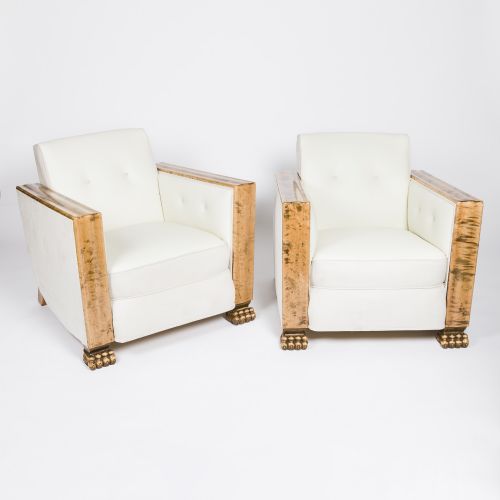


1930s Walnut Upholstered Chairs
These 1930s walnut upholstered chairs combine striking modernist lines with rich timber figures, bringing genuine period character to any room.
1930s Walnut Upholstered Chairs
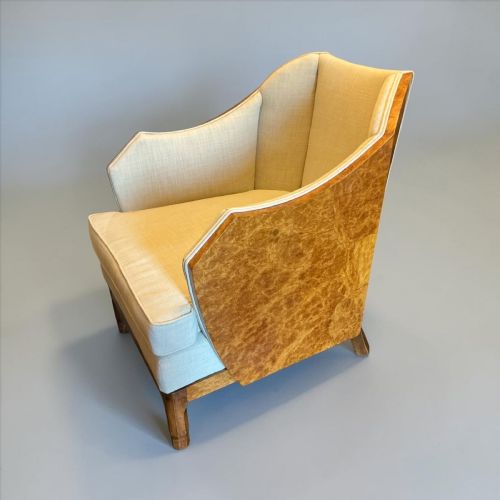
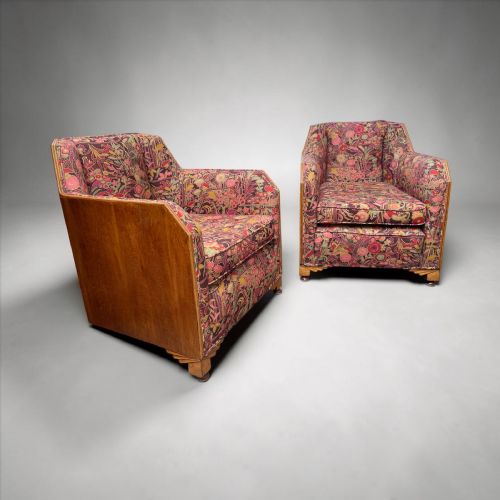
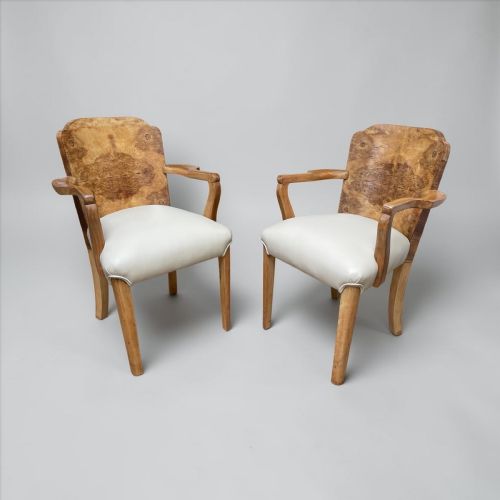
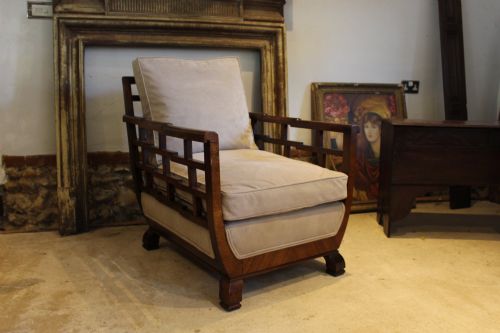
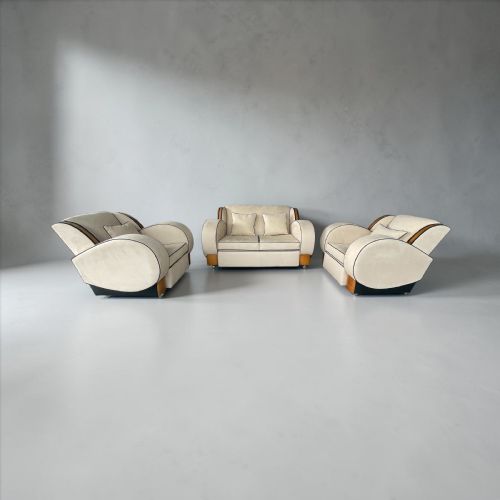
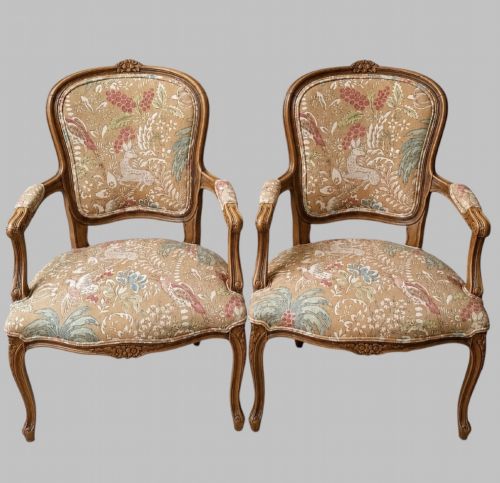
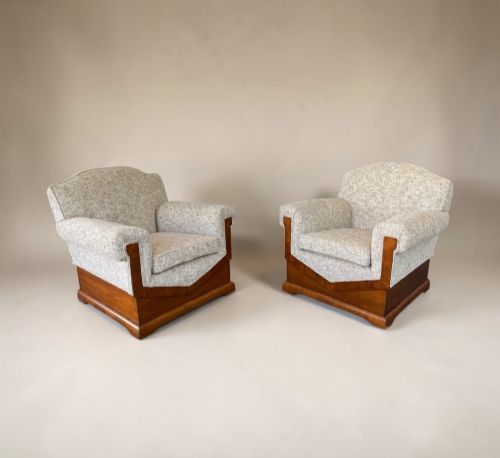
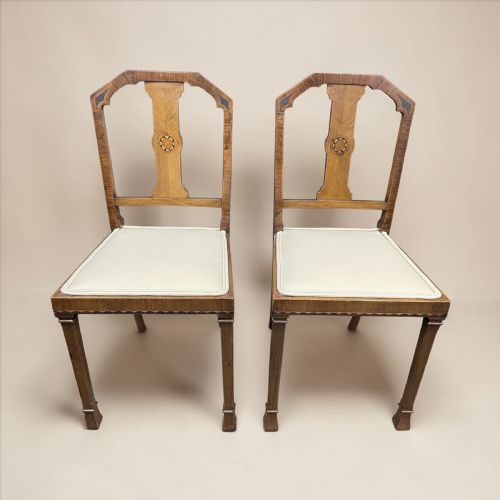
These 1930s walnut upholstered chairs encompass a variety of seating forms, ranging from single lounge chairs and side chairs to complete dining sets and piano stools. The selection leans heavily towards the Art Deco style, alongside occasional pieces and neo-rococo open armchairs.
Most items originate from the 1930s, though occasional examples date from the 1920s and the Edwardian period. Buyers encounter forms designed for multiple domestic settings, including bedroom chairs, desk chairs, and substantial three-piece tank suites.
How they were made
Construction relies upon wood and timber frameworks, frequently utilising solid walnut or black walnut alongside decorative burr walnut veneers. These tactile wooden elements provide a warm foundation that contrasts directly with the applied coverings.
Upholstery techniques incorporate various textiles and fabrics, with specific examples finished in calf suede or traditional leather. The combination of figured timber surfaces and tactile coverings defines the physical presence of these pieces.
The selected items include dining sets, lounge suites, desk chairs, and piano stools dating primarily from the 1930s.
What varies in quality
Quality differences emerge through the selection and matching of the walnut timber, particularly where figured burr veneers are employed across prominent surfaces. Higher-grade examples exhibit cohesive grain patterns and superior execution in their distinctive stylistic motifs.
The sophistication of the underlying form also separates standard seating from exceptional pieces, whether expressed through the geometry of an Art Deco lounge chair or the ornate flourishes of a neo-rococo open armchair.
Hille London
The 1930s Walnut Upholstered Chairs Glossary
- Art Deco
- A dominant design style characterised by sleek geometric shapes, streamlined forms, and modern industrial aesthetics. It provides the primary visual language for the seating found within this selection.
- Neo-Rococo
- A revival style drawing inspiration from eighteenth-century rococo ornament, featuring asymmetric scrolls, curved lines, and floral motifs. Pieces in this idiom contrast sharply with contemporary geometric designs.
- Tank Suite
- A robust and substantial lounge seating arrangement defined by heavy, rounded upholstered volumes reminiscent of architectural massing. These suites provide striking focal points for period interiors.
- Walnut Veneer
- A thin layer of superior walnut timber adhered to a secondary wood foundation to create decorative surfaces. This technique allows makers to display striking grain figures economically.
1930s Walnut Upholstered Chairs: Frequently Asked Questions
What styles define these chairs?
The pieces predominantly showcase the streamlined geometric aesthetic of Art Deco design, alongside a smaller number of neo-rococo open armchairs that display curved, ornamental lines.
These contrasting styles reflect the diverse decorative tastes of the interwar period, offering buyers a choice between modernist severity and revivalist curves.
How do I identify burr walnut?
Burr walnut is immediately recognizable by its dense, swirling grain patterns and knot clusters, which result from natural growths on the tree.
This distinct figuring is usually sliced into veneers and applied to prominent areas of the chair to create an ornate decorative surface.
Are these chairs suitable for daily use?
Many examples function effectively as everyday seating, particularly dining sets, side chairs, and desk chairs designed for practical domestic tasks.
Buyers should consider whether the specific upholstery material, such as leather or fabric, suits their intended level of practical daily wear.
What periods do these pieces span?
The majority of the seating dates from the 1930s, capturing the height of the Art Deco movement and modernist domestic design.
Additional examples occasionally emerge from the 1920s and the Edwardian era, demonstrating earlier stylistic precedents that preceded the modernist shift.