


1930s Carver Chairs
These 1930s carver chairs offer robust seating and distinct period form, bringing genuine interwar character to any dining room.
1930s Carver Chairs
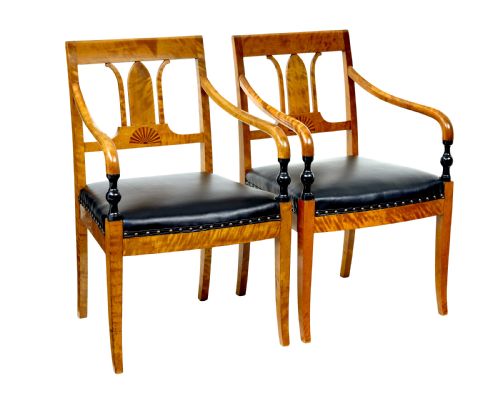
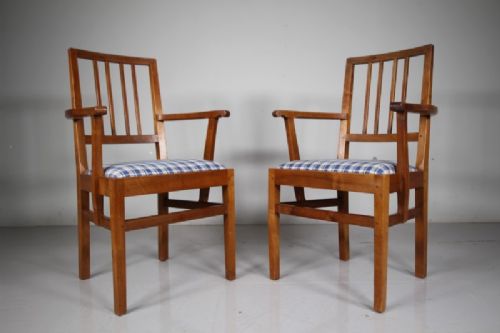
When you search for 1930s carver chairs, you are looking at substantial armchairs designed primarily for the ends of dining tables, combining utility with the distinctive aesthetic movements of the interwar decades. The examples met on this page span sturdy oak and mahogany constructions alongside striking burr walnut and birch designs.
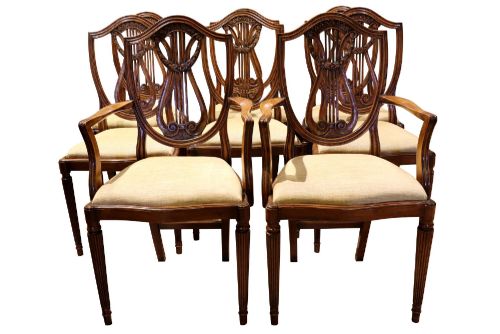
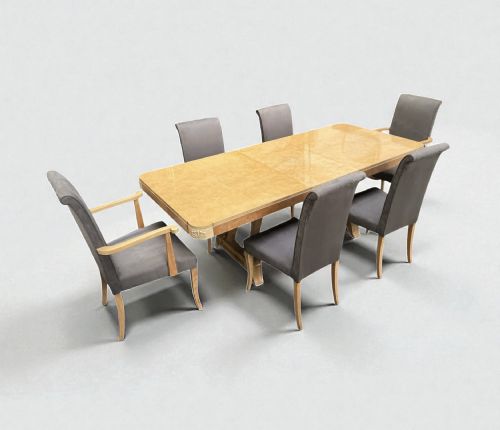
Most pieces date firmly from the nineteen thirties, though certain items lean into earlier Arts and Crafts traditions or adopt revivalist Hepplewhite styling. You will find single pairs, occasional armchairs, and complete dining sets that include matching carvers.
How they were made
The construction relies heavily on solid hardwoods, with oak and mahogany providing dependable structural integrity for everyday dining use. Cabinetmakers also utilised decorative veneers such as burr walnut and flame birch to create striking visual patterns across the backs and frames.
Upholstery materials play a vital role, incorporating traditional leather, textured fabric, and natural rush seating to finish the designs. Joinery techniques from the period ensure these armchairs remain sturdy decades after their workshop creation.
Several chairs hail from St Ives, proving that interwar makers could not resist the pull of the coast.
What varies in quality
Quality in these chairs rests upon the caliber of the timber selection and the ambition of the design, moving from utilitarian kitchen seating up to ambitious studio pieces. Mastermakers integrated considered proportions and refined wood figures that elevate standard dining furniture into notable decorative objects.
The sophistication of the timber preparation and the fidelity of the period style dictate the standing of each piece. Superior examples exhibit deliberate choice in veneers, such as burr walnut or flame birch, matched with expert joinery that preserves the integrity of the frame.
Edward Barnsley·Hille·Epstein·Dicon Nance
The 1930s Carver Chairs Glossary
- Carver chair
- An armchair designed to sit at the head of a dining table. These pieces feature integrated armrests to distinguish them from standard side chairs.
- Cloud back
- A rounded, swelling upholstery form popular in Art Deco furniture design. This shape resembles a stylised cloud and provides ergonomic support.
- Lyre back
- A chair back featuring an open splat shaped like the ancient Greek instrument. This classical motif appears frequently in revivalist dining furniture.
- Rush seating
- Woven marsh plant stems used to create a durable, textured seat base. This traditional method offers both flexibility and firm support.
1930s Carver Chairs: Frequently Asked Questions
What is a carver chair?
A carver chair is an armchair traditionally placed at either end of a dining table. These seats provide distinct armrests for the head of the household or honoured guests.
In interwar dining sets, they were typically supplied alongside a matching group of armless side chairs. This created a cohesive look while offering extra comfort during meals.
How do I identify Art Deco chairs?
Art Deco chairs often feature geometric lines, stylised curves, and striking wood veneers like burr walnut or birch. They embrace modernity while retaining traditional craftsmanship.
Look for smooth, continuous surfaces and bold silhouettes that break away from Victorian ornamentation. The aesthetic prioritises sleek elegance and visual rhythm.
Are these chairs suitable for daily use?
Interwar carver chairs were built for practical domestic dining and remain robust enough for everyday seating. Solid wood frames provide the necessary strength for regular service.
Upholstered sections can be maintained or renewed over time without losing the original character of the piece. They function equally well as standalone occasional chairs in a living space.
What timber was used most often?
Oak and mahogany form the structural core of many interwar dining chairs, valued for their durability and strength. These timbers handled heavy daily wear in domestic kitchens and dining rooms.
Cabinetmakers also applied decorative veneers such as burr walnut and birch to the visible surfaces. This combination of structural hardwood and fine veneer defined the era's furniture production.