

1930s Walnut Storage Cabinet
A 1930s walnut storage cabinet delivers striking grain patterns and practical domestic organisation rooted in mid-century design.
1930s Walnut Storage Cabinet
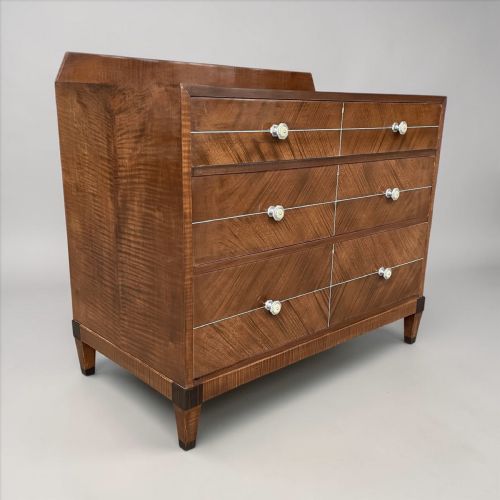
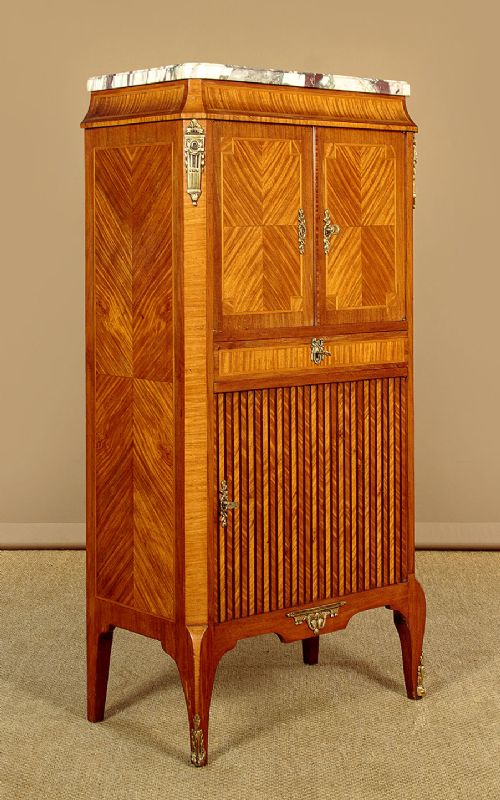
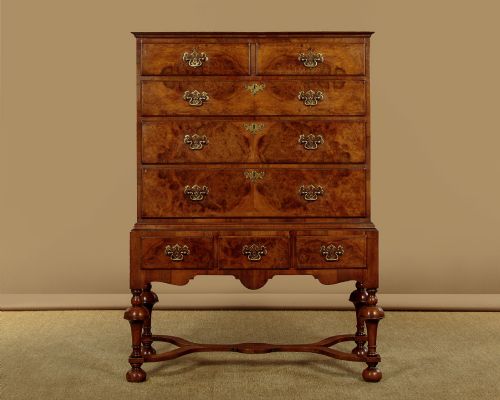
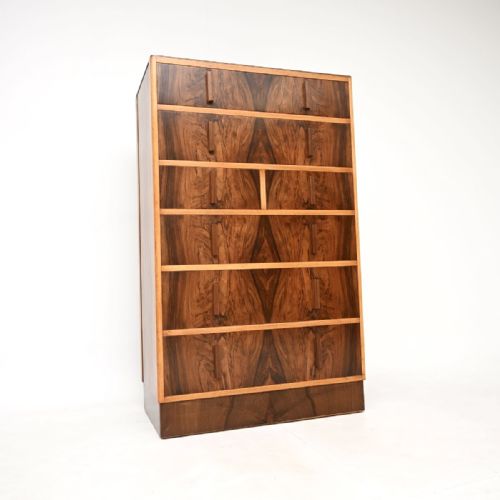
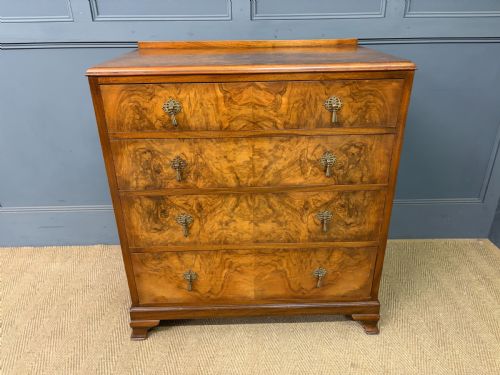
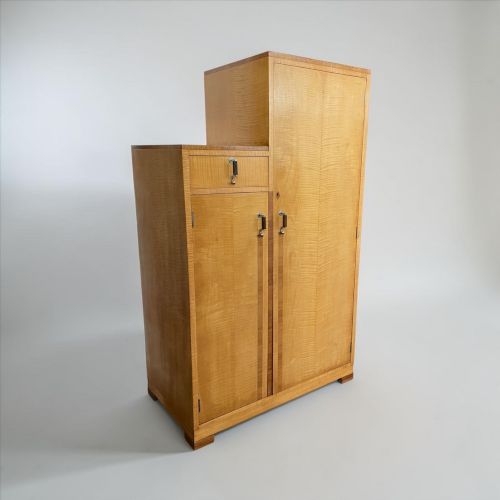
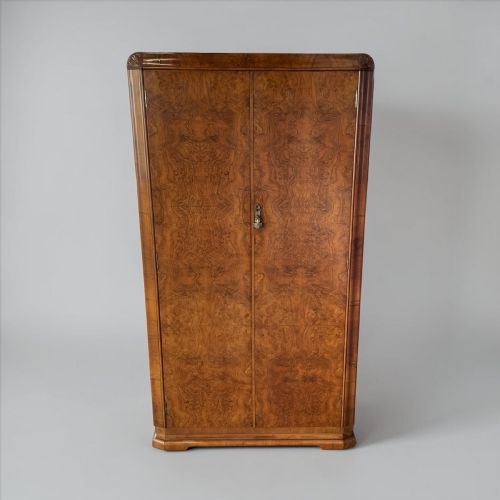
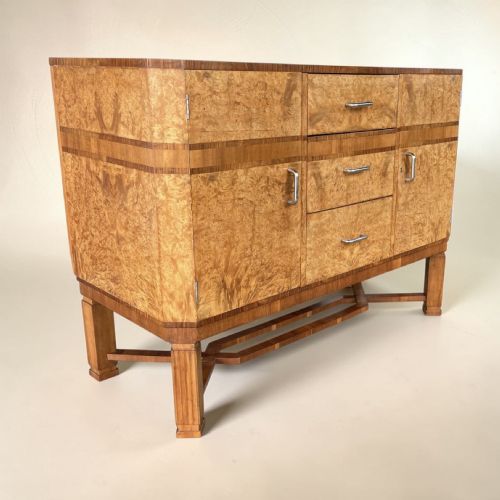
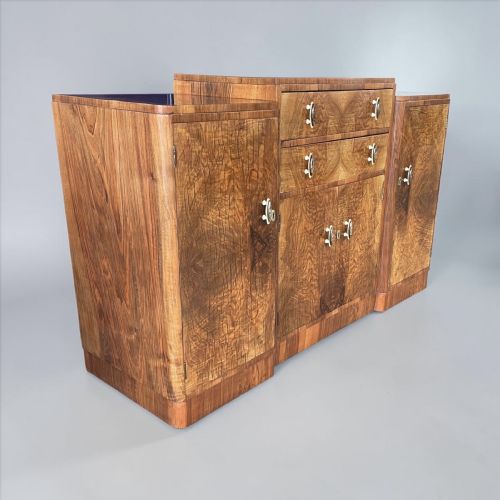
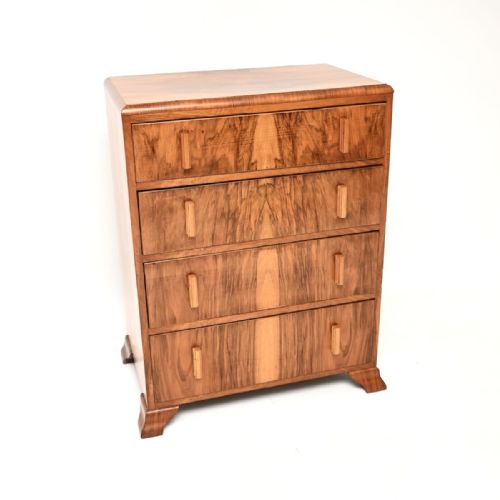
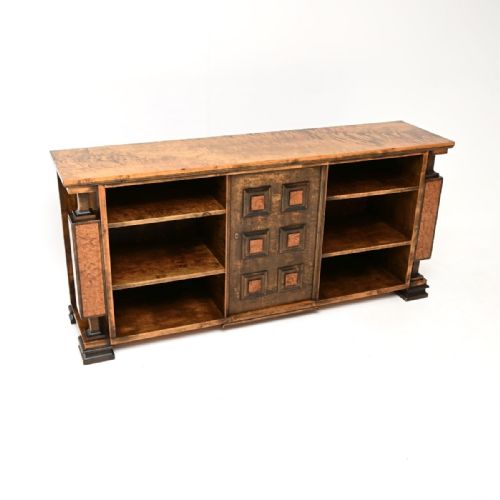
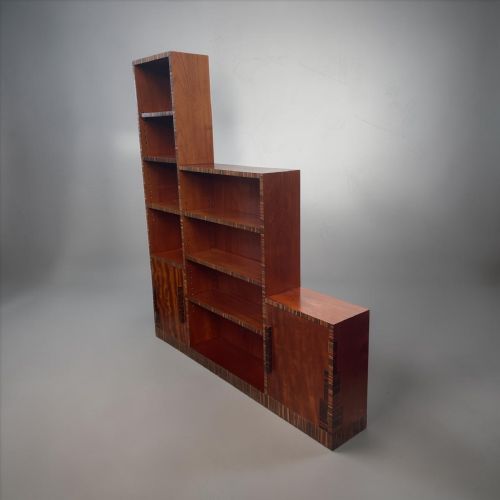
A 1930s walnut storage cabinet encompasses practical furniture forms designed for domestic interiors during the interwar period. Buyers searching this phrase encounter variations spanning bedside units, cocktail pieces, tallboys, and compactum wardrobes.
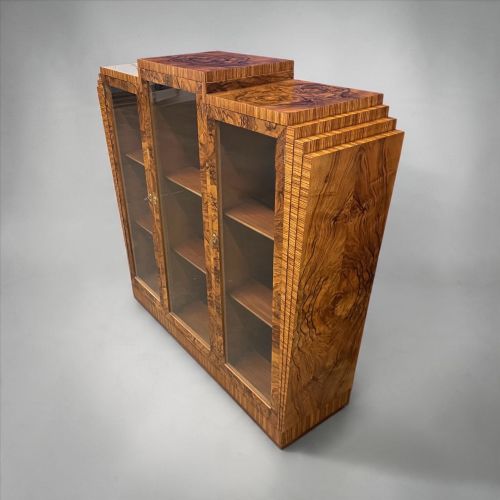
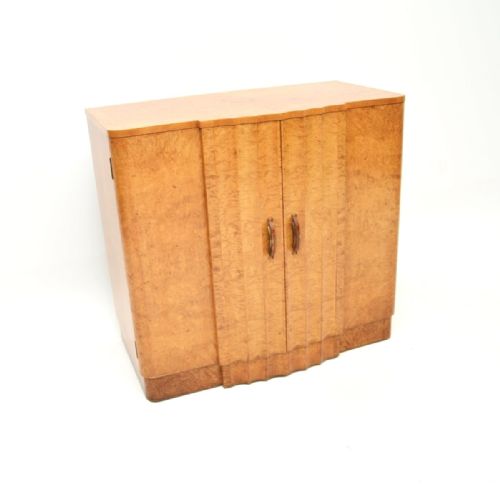
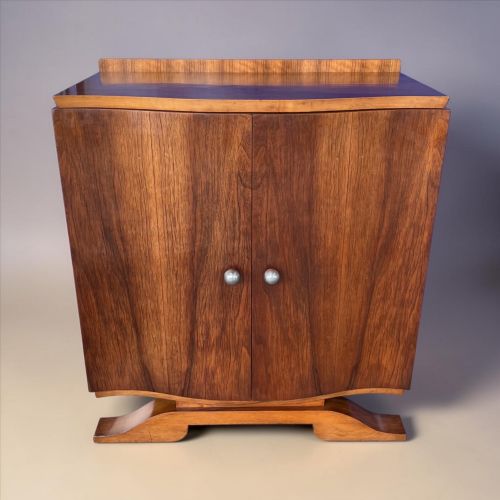
The dominant aesthetic across these items leans heavily into Art Deco design, though occasional Louis XVI Revival, French Provincial, and Queen Anne Revival styles emerge. Most pieces utilise rich walnut veneers or burr walnut surfaces to create striking visual focal points in a room.
Materials and construction methods
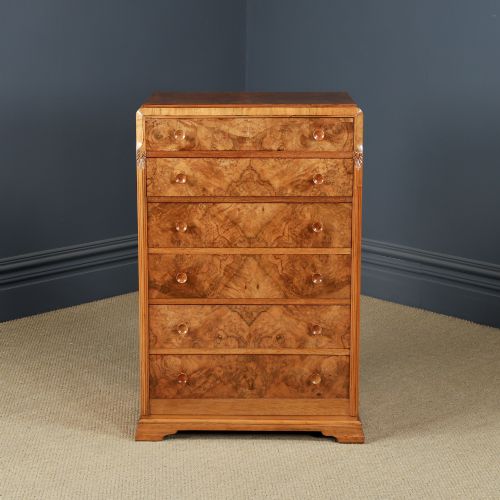
Cabinet makers of the era relied on solid walnut and intricate walnut veneers applied over sturdy core timbers to achieve rich figuring. Burr walnut sections were carefully matched and laid to create symmetrical patterns across drawer fronts and cabinet doors.
Hardware details typically include brass, chrome, metal, and occasionally bakelite for handles and decorative trims. Construction often paired traditional cabinet-making joints with modern industrial accents characteristic of the interwar period.
1930s Walnut Storage Cabinet Retail Price Guide 2026
Typical asking prices for 1930s walnut storage cabinet among the pieces listed under this phrase on Sellingantiques today, from the lower quarter to the upper quarter. They describe what is for sale here now, not the wider market.
Some interwar drinkers enjoyed secret compartments built directly into cocktail cabinets to guard their gin.
Assessing quality in period furniture
The sophistication of the veneer work largely dictates the distinction between standard production and master cabinet-making. Superior examples display continuous grain wrapping around corners and meticulously matched burr walnut patterns.
Attribution to notable makers and designers elevates certain pieces above anonymous factory output. The integration of original hardware, such as specialised cocktail cabinet fittings or polished chrome handles, further separates exceptional pieces from ordinary storage items.
Harry and Lou Epstein·Hille·Maurice Adams·Hamptons of Pall Mall London·The Bowman Brothers·Heal's
The 1930s Walnut Storage Cabinet Glossary
- Burr walnut
- A specialised timber figure sourced from tree growths, producing swirling, intricate grain patterns highly prized for cabinet fronts.
- Veneer
- A thin slice of superior wood adhered to a stable secondary timber base to create decorative exterior surfaces.
- Art Deco
- A dominant design style of the 1920s and 1930s characterised by streamlined geometric forms, symmetry, and modern materials.
- Compactum
- A multi-functional wardrobe combining hanging space, drawers, and shelving within a single enclosed unit.
- Tallboy
- A vertical chest of drawers standing higher than a standard dresser, designed to maximise vertical storage capacity.
1930s Walnut Storage Cabinet: Frequently Asked Questions
What rooms suit a 1930s walnut storage cabinet?
These cabinets function effectively in living rooms as cocktail or display units, or in bedrooms as compactums and tallboys. Their rich wood tones complement both vintage and contemporary interior schemes.
Matching bedside cabinets and smaller side tables also allow for cohesive styling across sleeping quarters and hallways.
What is the difference between walnut and burr walnut?
Standard walnut displays a straight, rich brown grain pattern with subtle variations in tone. Burr walnut derives from a tree burl, yielding dense, swirling knots and organic rings.
Cabinet makers reserved burr veneer for prominent surfaces like doors and drawer fronts to maximise visual impact.
Were these cabinets used for specific storage purposes?
Interwar storage items were often tailored to specific domestic needs, such as sheet music cabinets, cocktail bars, and compactum wardrobes. Interior shelving and compartments accommodated specialised items like glassware and formal attire.
Many designs prioritized maximising storage capacity within the compact footprint of modern 1930s homes.