




1930s Walnut Mirror
These 1930s walnut mirror pieces deliver distinct Art Deco geometry and rich wood grain, bringing period elegance to any room.
1930s Walnut Mirror
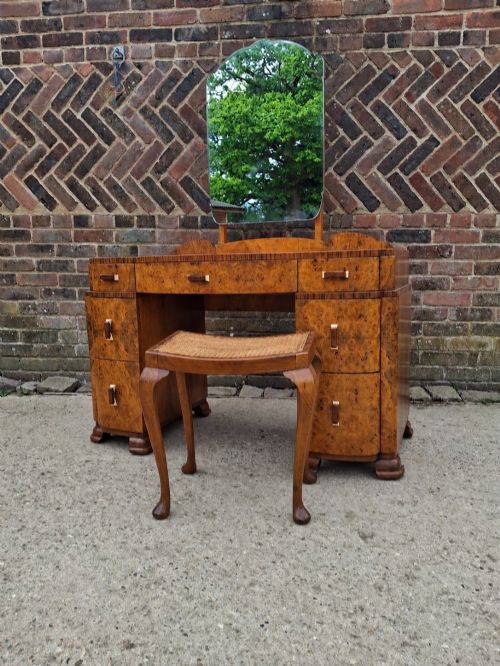
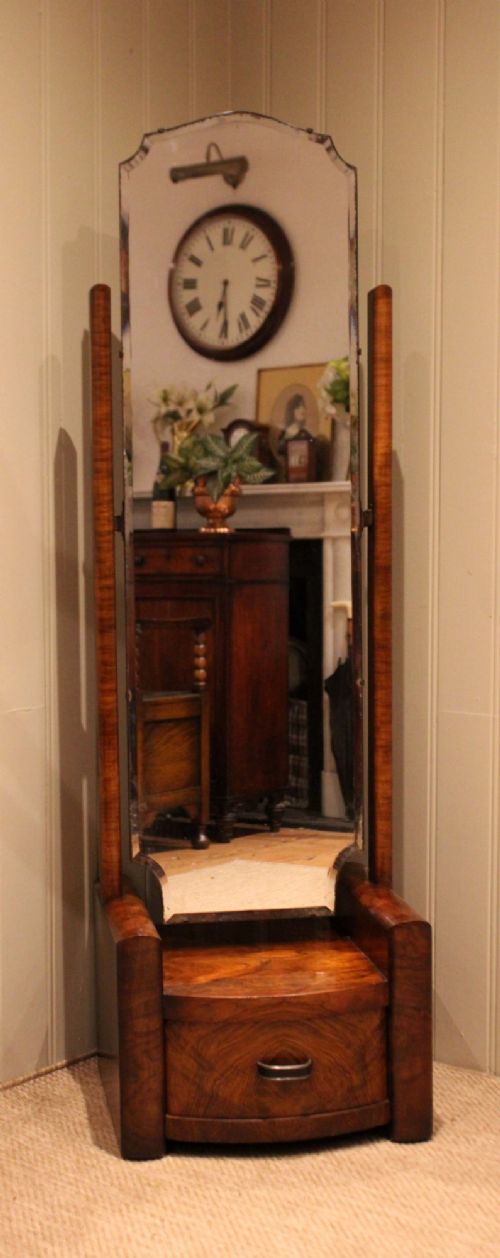
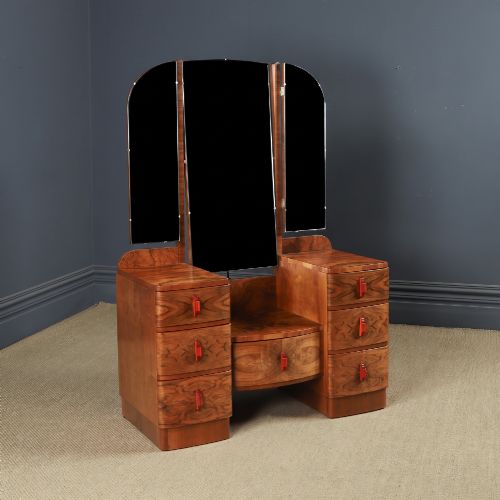
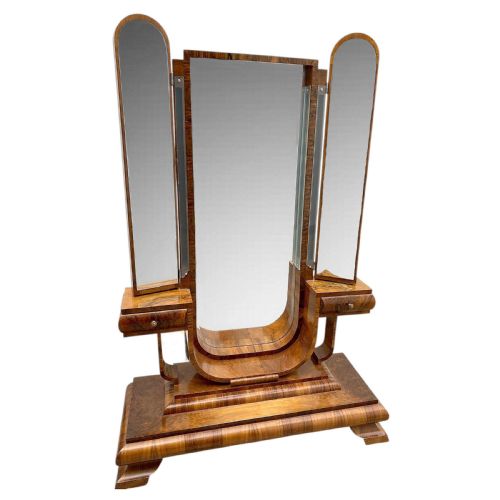
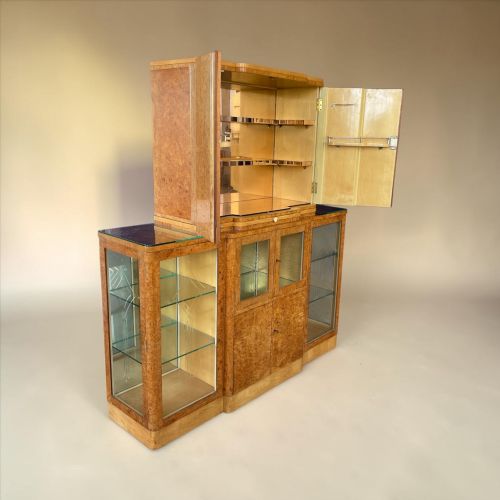
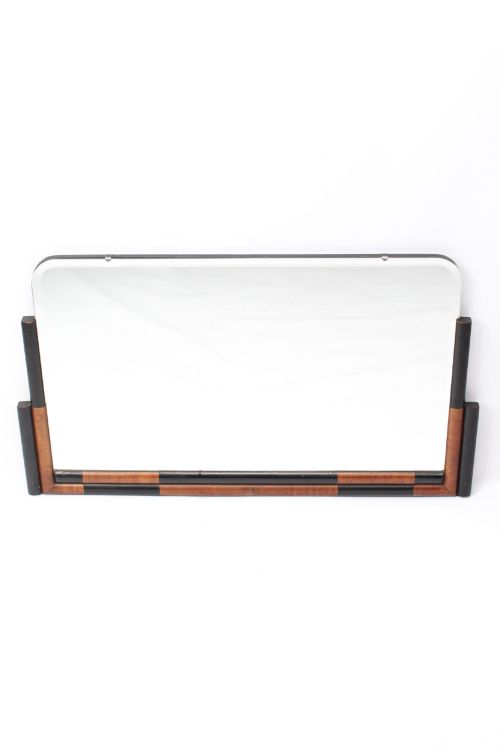
When searching for a 1930s walnut mirror, collectors encounter wall mirrors, cheval mirrors, and dressing table mirrors shaped by the Art Deco style. These items reflect the design priorities of the period, often combining functional glass surfaces with decorative wooden frames.
Many examples emerge as components of larger dressing tables, vanity chests, or freestanding cheval designs rather than simple wall hangings. The proportion of the frame and the cut of the mirror glass define the visual impact of each piece within a room.
How they were made
Cabinet makers utilised walnut veneers, including burr walnut and figured walnut, laid over solid carcass timbers such as oak. This technique created striking grain patterns across the broad surfaces of frames and associated furniture.
Constructors integrated bevelled mirror glass and ebonised details alongside metal or chrome accents. These materials anchored the pieces firmly within the design vocabulary of the interwar decades.
1930s Walnut Mirror Retail Price Guide 2026
Typical asking prices for 1930s walnut mirror among the pieces listed under this phrase on Sellingantiques today, from the lower quarter to the upper quarter. They describe what is for sale here now, not the wider market.
Some dressing chests arrived with matching stools designed specifically to fit beneath the vanity overhang.
What varies in quality
The sophistication of the veneer selection separates standard production items from exceptional workshop pieces. Book-matched burr walnut demonstrates a higher level of planning by the cabinet maker.
The execution of joinery and the integration of auxiliary materials like ebonising or chrome distinguish workshop output. Maker attribution also influences the standing of individual mirrors within the field.
Maurice Adams·Harry and Lou Epstein·Whytock & Reid
The 1930s Walnut Mirror Glossary
- Burr walnut
- A prized timber growth obtained from walnut trees, showing swirling, knotted grain patterns that makers used for decorative veneer panels.
- Cheval mirror
- A freestanding full-length mirror suspended on vertical pivots within a supportive frame, allowing the glass to tilt.
- Art Deco
- A design style dominant in the interwar period characterised by sleek geometric shapes, stylised motifs, and streamlined forms.
- Veneer
- A thin slice of superior wood applied over a secondary timber base to present a polished exterior surface.
1930s Walnut Mirror: Frequently Asked Questions
How do I identify a 1930s walnut mirror?
Look for characteristic Art Deco geometric framing combined with rich walnut or burr walnut veneers. The construction methods and styling typically reflect interwar design conventions.
Examine the glass and backing materials for period manufacturing techniques to confirm the date.
Where should I place a cheval mirror?
Freestanding cheval mirrors suit bedrooms, dressing rooms, or hallways where full-length reflections are practical. Their pivoting frames allow adjustment for optimal viewing angles.
Position the piece away from direct, damp heat sources to preserve the walnut veneer.
Did Cotswold School makers produce these mirrors?
Cotswold School pieces appear among the listings alongside mainstream Art Deco production. These items often showcase traditional craftsmanship and solid timber construction.
Such regional variations offer an alternative aesthetic within the broader interwar walnut category.
How do I care for walnut veneer?
Dust the wooden frame regularly with a soft, dry cloth to protect the polished surface. Avoid excessive moisture and chemical polishes that can damage vintage finishes.
Keep the piece out of direct sunlight to prevent the walnut grain from fading over time.