

1930s Walnut Chairs
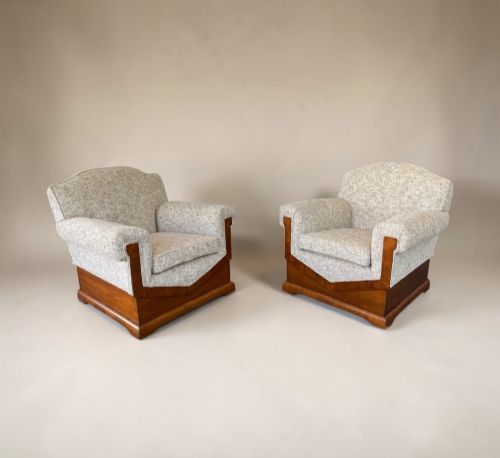
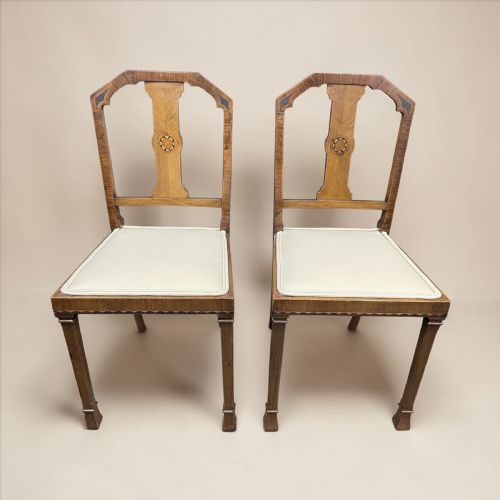
These 1930s walnut chairs bring striking grain and bold silhouette to a room, offering both practical seating and architectural presence.
1930s Walnut Chairs
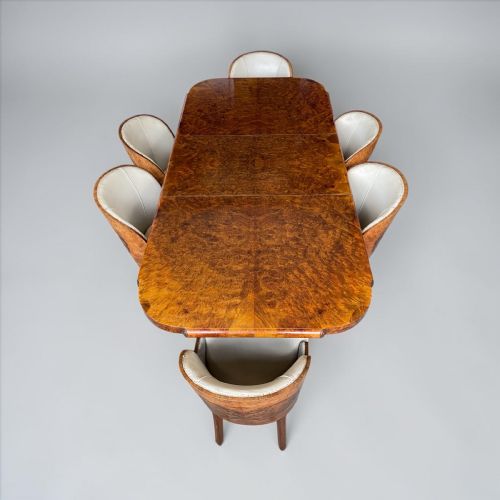
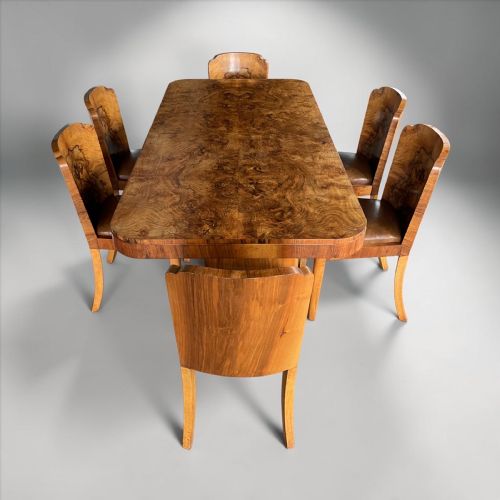
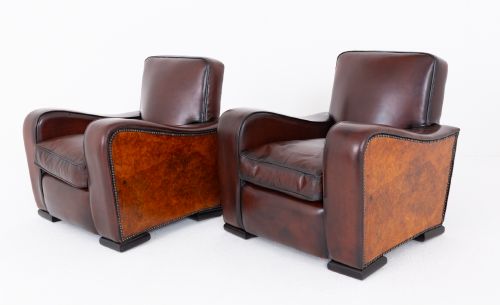
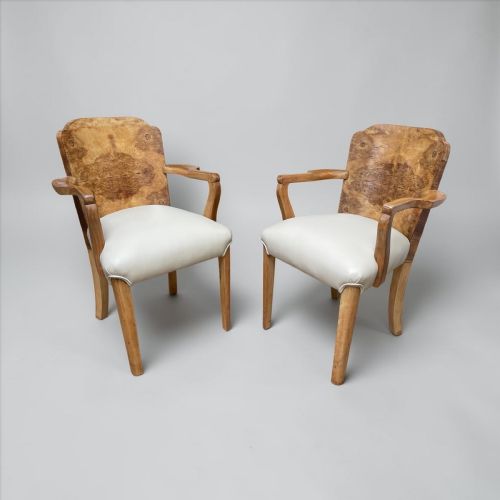
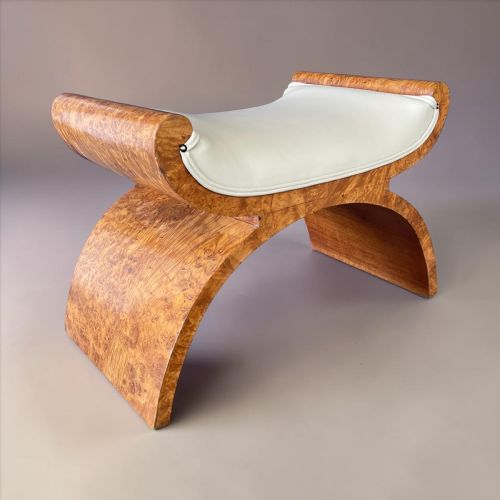
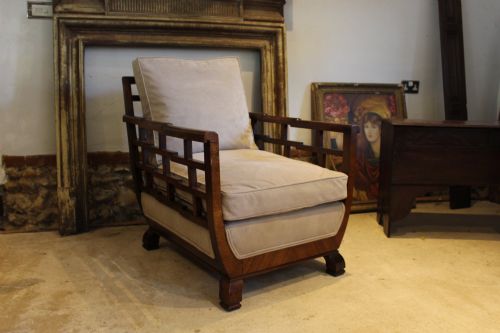
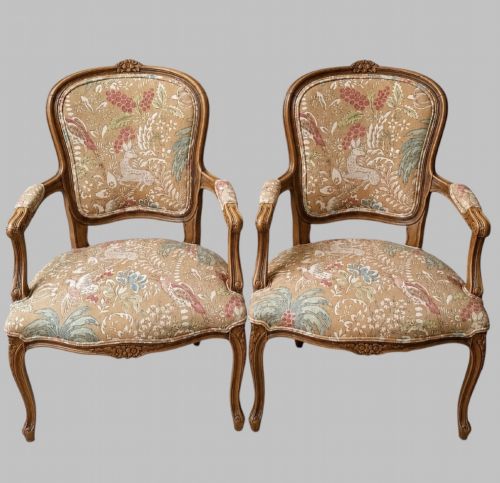
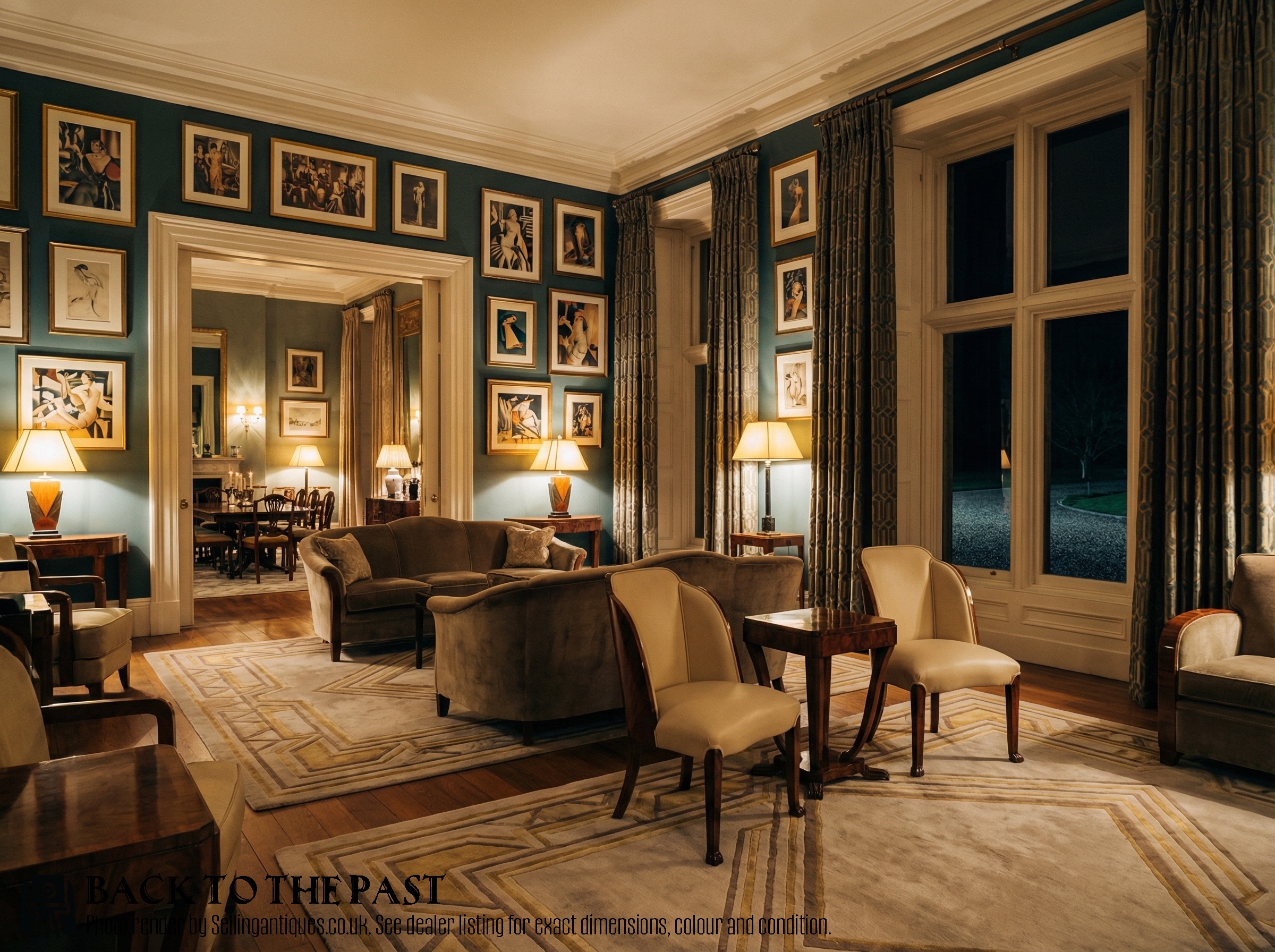
When searching for 1930s walnut chairs, buyers encounter a diverse selection ranging from individual side chairs and piano stools to large dining sets and lounge suites. The most frequent finds on this page belong to the Art Deco period, alongside occasional nods to Neo-Rococo, George I Revival, and Victorian Revival styles.
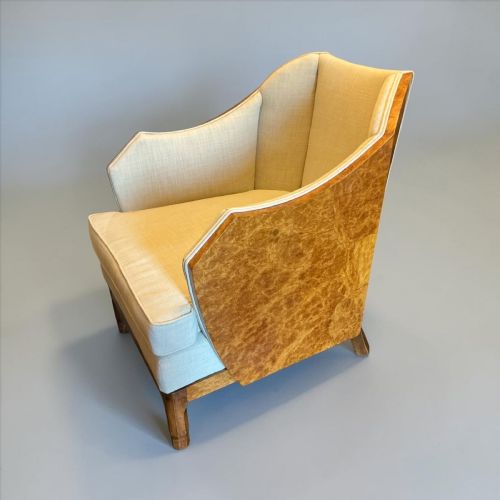
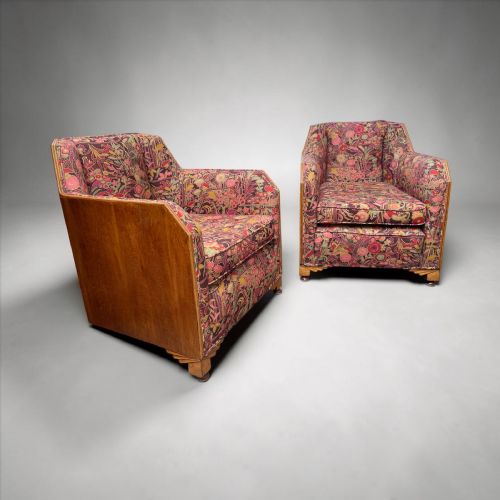
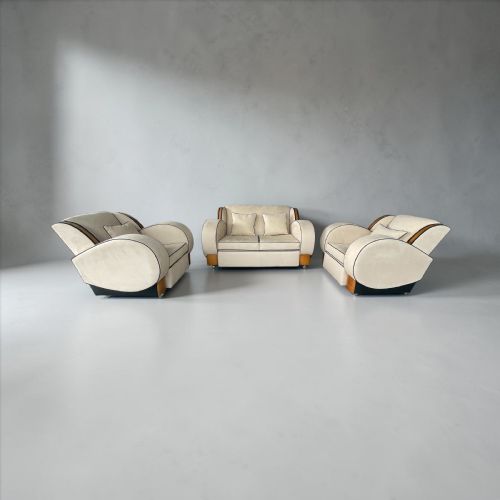
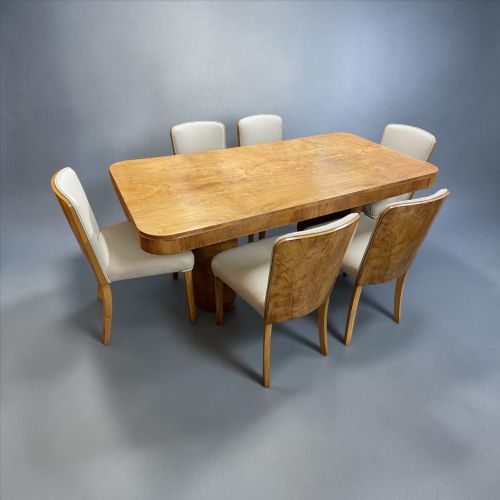
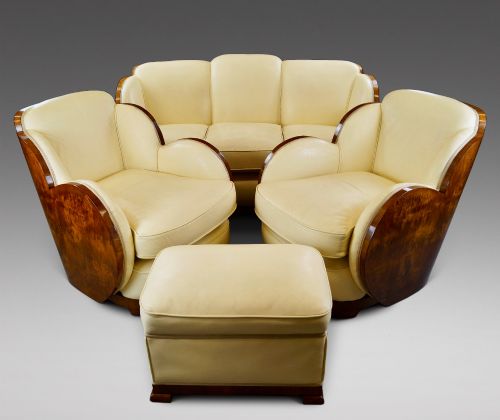
Forms span robust club chairs, occasional chairs, and expansive dining suites designed to seat six or eight people. Many pieces arrive as matched pairs or complete 3-piece tank and cloud suites, constructed from timber origins including Edwardian, 1920, and 1930 eras.
How they were made
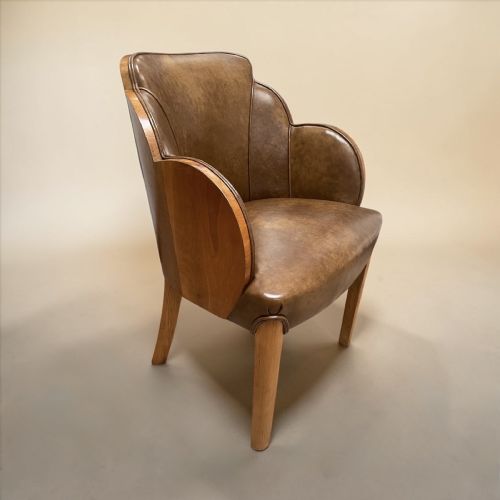
Cabinet makers utilised walnut, burr walnut, black walnut, and walnut veneer laid over hardwood timber frames to achieve rich, figured surfaces. The application of walnut veneer allowed workshops to wrap sweeping curves around cloud backs and ski slope arms.
Upholstery completed the construction, utilising leather, calf suede, and various traditional fabrics. Chairs were often built as solid walnut framework supporting deep cushioning for club chairs and streamlined profiles for dining seats.
Miniature apprentice pieces let tiny collectors enjoy full-sized cloud suite luxury.
What varies in quality
Quality rests heavily on the selection and matching of the walnut veneer, where master workshops chose highly figured burr timber to create symmetrical patterns across the backrests and seats. Pieces by prominent makers show superior attention to grain flow and structural joinery.
The sophistication of the silhouette defines the upper tier, distinguishing standard dining chairs from sculptural cloud armchairs and heavy leather club chairs. Original stamped signatures and cohesive suite proportions elevate specific examples above standard production items.
Maurice Adams·Hille·Harry and Lou Epstein
The 1930s Walnut Chairs Glossary
- Burr walnut
- A prized wood cut from the abnormal growths on walnut trees, yielding complex swirling grain patterns. It is typically sliced into thin veneers for decorative surfaces.
- Art Deco
- A design style dominant in the 1930s characterised by sleek geometric shapes, streamlined curves, and modern materials. It rejects ornate historical revivalism in favour of bold, functional elegance.
- Cloud suite
- An upholstery style from the period featuring rounded, padded backrests and cushioned arms reminiscent of soft cumulus clouds. These suites often utilise burr walnut frames.
- Veneer
- A thin layer of superior walnut timber applied over a secondary hardwood base to provide decorative visual appeal while maintaining structural stability.
- Occasional chair
- A movable, decorative chair designed for periodic use in living spaces or bedrooms rather than primary dining or desk seating.
1930s Walnut Chairs: Frequently Asked Questions
Are these chairs comfortable for daily use?
Many of these pieces, particularly the club chairs and cloud suites, were built with deep cushioning and sprung seats designed for relaxation.
Dining and side chairs offer firmer support suited to long meals at the table, though original upholstery may require professional assessment for modern comfort.
How do I identify Art Deco chairs?
Art Deco chairs typically display streamlined geometric lines, rounded waterfall edges, and symmetrical burr walnut veneers. They often eschew traditional carving in favour of smooth, sweeping wooden frames.
Look for signature cloud backs and thick leather or suede upholstery that define the period's aesthetic.
Can I mix these chairs with modern tables?
The rich timber tones and bold silhouettes of these items allow them to anchor contemporary dining rooms or living spaces. Pairing an occasional chair with modern minimalism creates a strong focal point.
Matching walnut grains with existing wooden furniture requires attention to the warmth and undertone of the timber.
How should I care for walnut veneer?
Burr walnut veneer requires protection from direct sunlight and excessive moisture to prevent fading and warping. Regular dusting with a soft, dry cloth preserves the polished finish.
Avoid chemical polishes and maintain consistent indoor humidity levels to keep the timber stable.