


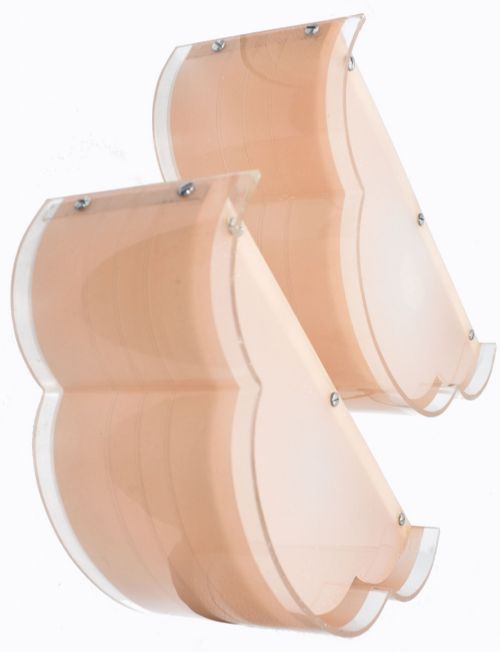


1930s Wall Lamps
These 1930s wall lamps deliver the sharp lines and industrial glamour of the interwar period, offering collectors brilliant focal points for period interiors.
1930s Wall Lamps
When you search for 1930s wall lamps, you encounter lighting designed to mount directly onto vertical surfaces, predominantly taking the form of wall lights and wall sconces. These fixtures emerge mainly from the Art Deco and French Art Deco styles, capturing the geometric precision and industrial optimism of the era. The selection spans distinct shapes such as cloud, trumpet, skyscraper, flame, and clam shell configurations.
Originating largely from the 1930 period, along with examples from 1920 and Edwardian dates, these fixtures often arrive in pairs or matching suites rather than as isolated pieces. Makers utilised sophisticated silhouettes like empire torch designs and tubular profiles to transform domestic and commercial spaces alike. This hardware bridges utility and sculpture, bringing period character directly to the wall.
The primary forms you meet on this page rely heavily on symmetrical pairings and geometric articulation to define interiors. French iterations frequently showcase a distinct continental elegance in their use of moulded glass and streamlined metalwork. Whether configured as single sconces or multi-light suites, these pieces remain central to achieving an authentic interwar aesthetic.
How they were made
Makers constructed these fixtures using chrome and chrome plating over base metals, paired with various forms of glass. Frosted, moulded, and clear glass elements were shaped into cloud, flame, and clam shell shades to diffuse light evenly. Lucite and resin also appear as durable alternatives to traditional glass components.
The metalwork relies on rigid tubular and stepped skyscraper configurations, welded or screwed into robust backplates for wall mounting. Chrome plating provided a bright, reflective surface that complemented the machine-age ideals of the decades. Glass shades were secured via physical brackets, screws, or moulded channels integrated directly into the metal frame.
Available forms on this page include matching pairs and multi-light suites configured as wall lights and sconces.
What varies in quality
The distinction between standard production lighting and superior pieces rests on the weight of the metalwork and the crispness of the glass moulding. Heavier chrome plating and thick, substantial glass shades indicate a higher grade of manufacture from the period. Finer examples display meticulous symmetry in matching pairs and intricate surface details on moulded forms.
Attribution also plays a role in distinction, with pieces associated with notable glass houses commanding greater interest. The complexity of the silhouette, such as stepped skyscraper tiers or multi-tiered trumpet sconces, demonstrates the ambition of the original design. Superior pieces maintain their original plating integrity and possess precisely engineered mounting brackets.
Lalique
The 1930s Wall Lamps Glossary
- Art Deco
- A design style characterised by sleek geometric shapes, streamlined forms, and industrial materials. It dominated international design through the 1920s and 1930s.
- Chrome Plating
- An electrolytic coating of chromium over metal that provides a bright, corrosion-resistant finish. This process defined the metallic sheen of interwar lighting.
- Moulded Glass
- Glass shaped by pouring molten material into a metal or wooden mould to achieve specific relief patterns. This technique allowed for the mass production of decorative shades like clam shells and clouds.
- Wall Sconce
- A decorative light fixture affixed to a wall, typically designed to direct illumination upwards or outwards. These fixtures function as both primary and accent lighting in period interiors.
1930s Wall Lamps: Frequently Asked Questions
How do I install 1930s wall lamps?
These fixtures mount directly onto vertical wall surfaces using backplates that attach to standard electrical wiring boxes. Professional installation by a qualified electrician is strongly recommended to ensure the vintage internal wiring meets modern safety standards.
Care must be taken to support the weight of heavy chrome and glass assemblies adequately during the mounting process. Proper anchoring protects both the historic hardware and the wall structure from strain.
Are these lamps suitable for bathrooms?
Original interwar wall lighting was not manufactured with modern Ingress Protection ratings for wet environments. Utilising them in bathrooms typically requires careful placement outside splash zones and consultation with an electrical specialist.
Many collectors prefer to install these fixtures in hallways, living rooms, and dining spaces where moisture is absent. This preserves the original materials from potential corrosion and degradation.
How should I clean chrome and frosted glass?
Chrome surfaces benefit from gentle wiping with a soft, dry microfibre cloth to remove dust without abrading the plating. Avoid harsh chemical cleaners that can strip or pit vintage metallic finishes over time.
Frosted glass shades can be detached where possible and washed in warm, soapy water before being dried thoroughly. Handling glass components with clean gloves prevents natural skin oils from marking the textured surfaces.