

1930s Timepiece
A 1930s timepiece offers a tangible link to interwar design, bringing functional mechanics and distinct period geometry into modern spaces.
1930s Timepiece
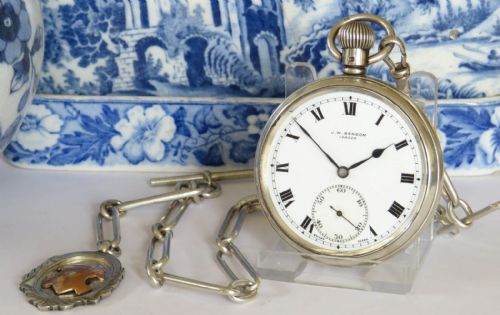
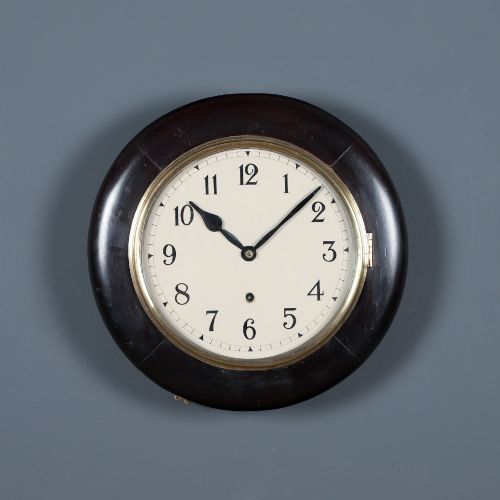
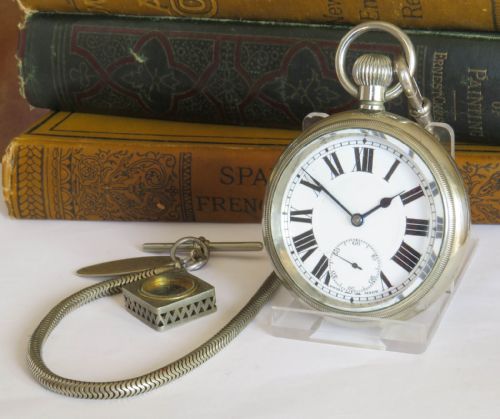
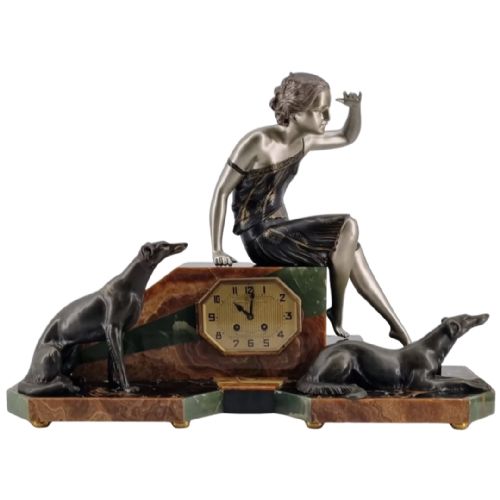
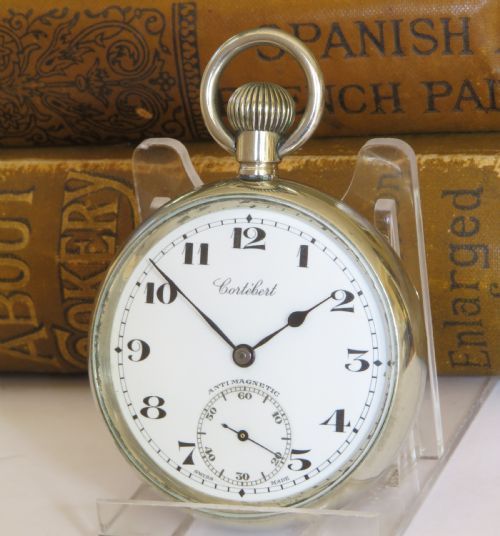
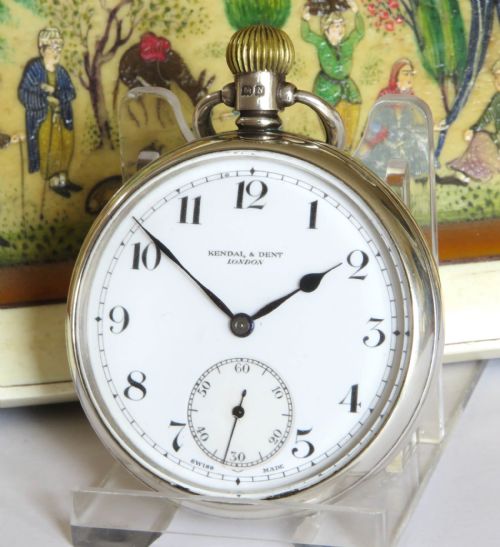
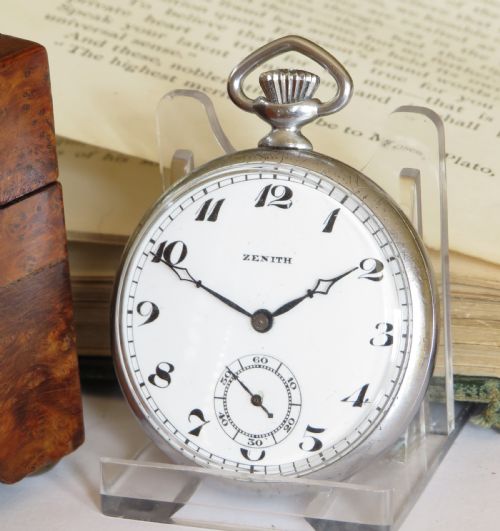
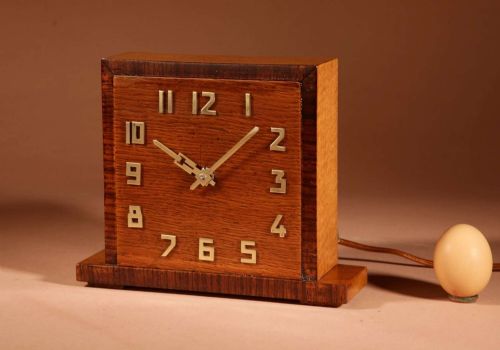
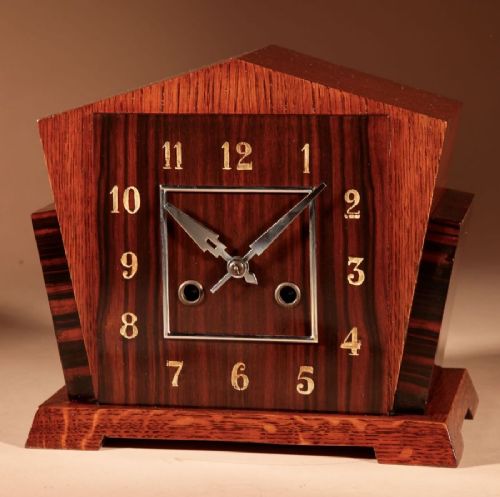
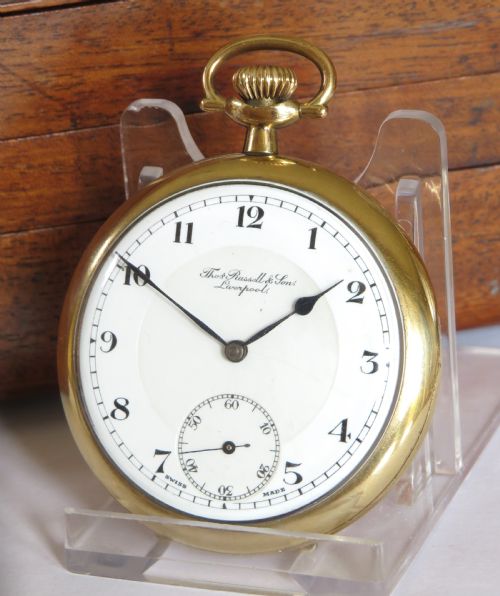
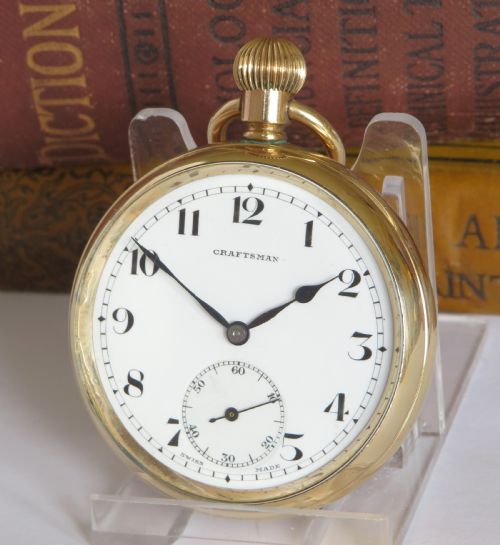
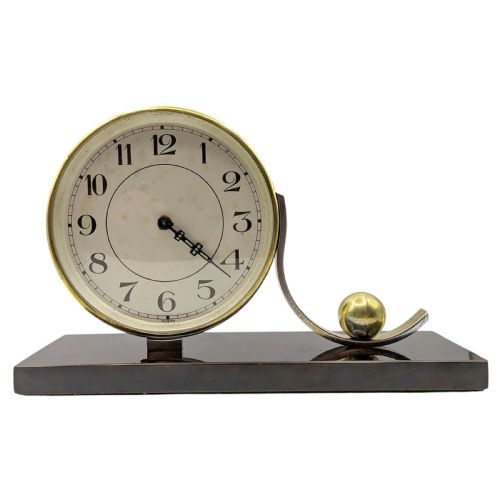
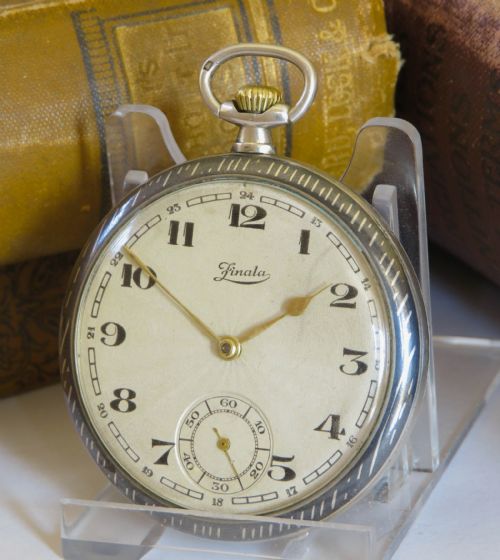
A 1930s timepiece encompasses portable watches, pocket watches, and stationary clocks designed during the interwar period. Buyers searching this phrase most frequently encounter pocket watches and mantel clocks reflecting the dominant design movements of the decade.
The objects span domestic, military, and railway use, ranging from silver pocket watches to large oak mantel clocks. Desk clocks and wall clocks also feature prominently among the surviving inventory.
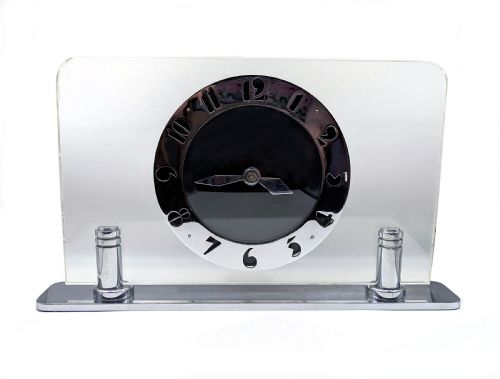
Originating largely from British, Swiss, and French workshops, these pieces demonstrate the transition from traditional horology to modernist industrial forms. Art Deco geometry and Amsterdam School styling dominate the visual language of these items.
Materials and construction
Horologists utilised metals such as chrome, brass, silver, and gold plate alongside glass and enamel for dials and casings. Movements were mechanical, powered by 30-hour or 8-day springs.
Cabinetmakers constructed mantel clocks from oak, rosewood, macassar ebony, and coromandel, often incorporating bakelite bases for desk models. Desk and wall clocks frequently paired polished chrome with contrasting wooden veneers.
1930s Timepiece Retail Price Guide 2026
Typical asking prices for 1930s timepiece among the pieces listed under this phrase on Sellingantiques today, from the lower quarter to the upper quarter. They describe what is for sale here now, not the wider market.
Assessing quality in period horology
Quality rests in the precision of the movement and the integrity of the materials used in the casing. Finely jewelled lever movements and solid precious metal or hardwood cases represent the higher tier of production.
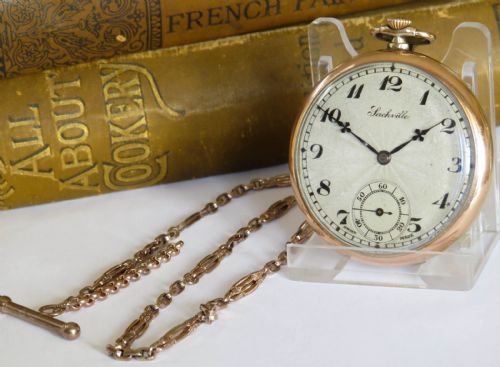
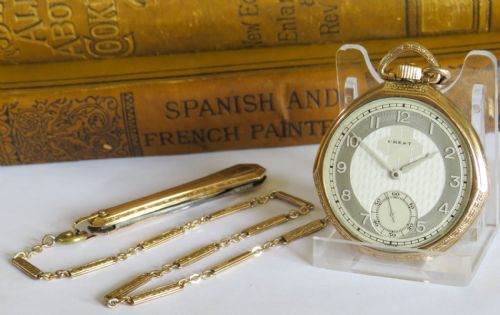
The clarity of enamel dials, the crispness of modernist numbering, and the retention of original matching chains or fobs distinguish superior examples from standard utility items.
Zenith·Cortebert·Thomas Russell and Son·Smiths Clockmakers·Cyma·Omega
The 1930s Timepiece Glossary
- Half hunter
- A pocket watch featuring a case with a glass or open centre panel on the front cover, permitting the time to be read without opening the case.
- Full hunter
- A pocket watch fitted with a solid metal spring-loaded cover that completely encloses and protects the dial until released by a button.
- Hermetic watch
- A timepiece design enclosed in an inner case that slides inside an outer container to protect the movement from dust and moisture.
- Albert
- A chain attached to a pocket watch, secured to a waistcoat or belt buttonhole, often accompanied by fobs or compasses.
- Niello
- A black metallic alloy used as an inlay on engraved metal, frequently seen on silver watch cases to create contrasting decorative patterns.
1930s Timepiece: Frequently Asked Questions
How do I wind a 1930s pocket watch?
Most pocket watches from this era use a stem winding mechanism operated by rotating the crown at the top clockwise.
Avoid over-winding the mainspring to prevent internal tension damage.
Were these clocks used in military service?
Several pieces originate from military contexts, including officers' mess clocks and service pocket watches.
These items carry utilitarian markings specific to armed forces deployment.
What is an 8 day movement?
An 8 day movement requires winding only once per week to maintain continuous operation.
This mechanism was popular for desk and mantel clocks to reduce daily maintenance.
How do I care for a bakelite desk clock?
Keep bakelite components away from direct sunlight and heat sources to prevent warping or fading.
Clean the surface gently with a dry or barely damp soft cloth.