



1930s Tallboy Chest
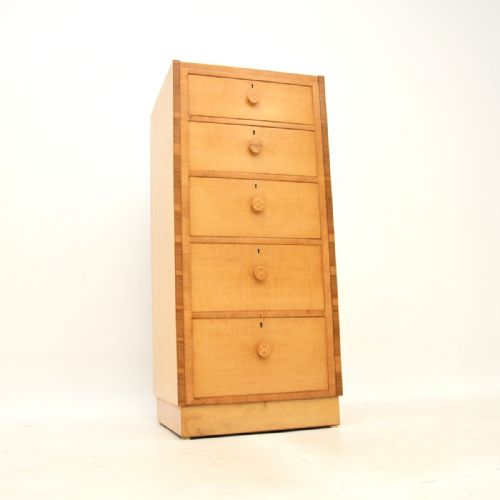
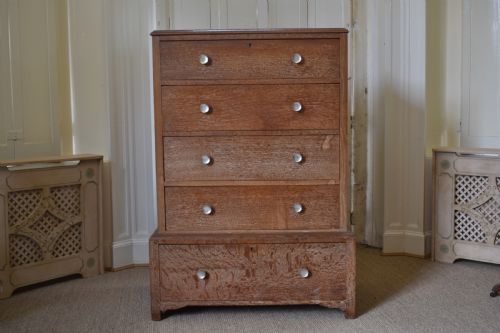
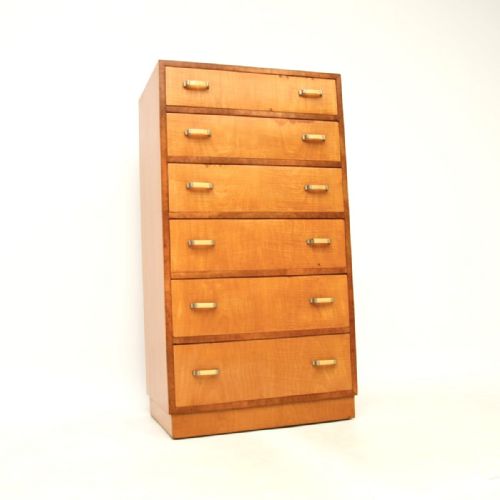
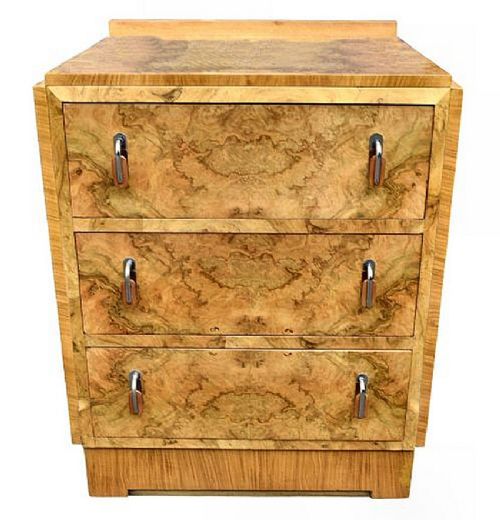
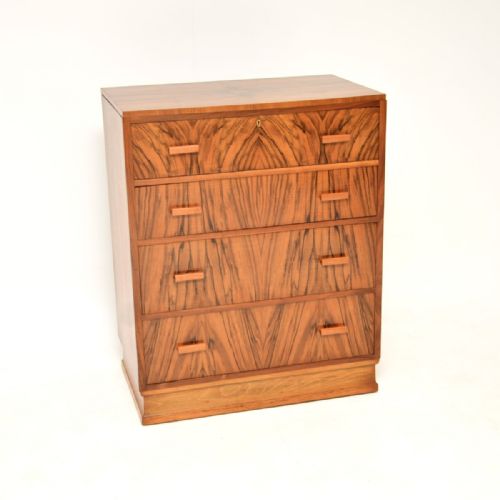
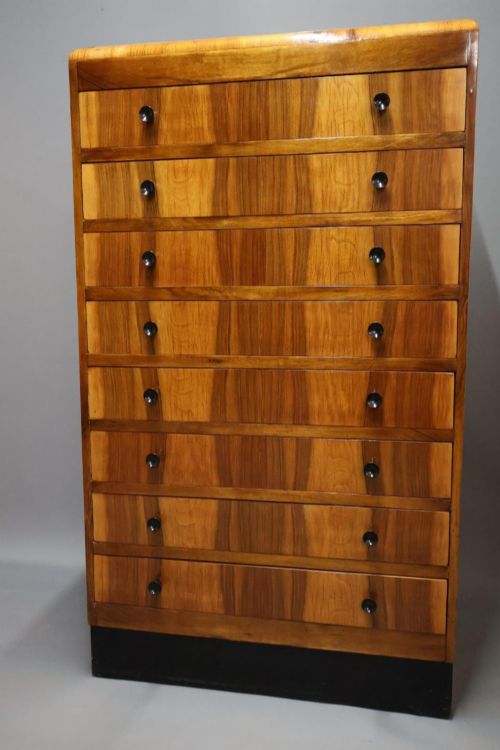
A 1930s tallboy chest offers vertical storage in walnut, oak, and burr walnut, bringing period character to a modern bedroom.
1930s Tallboy Chest
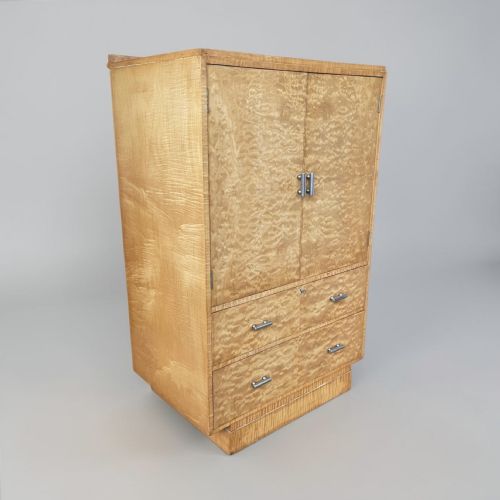
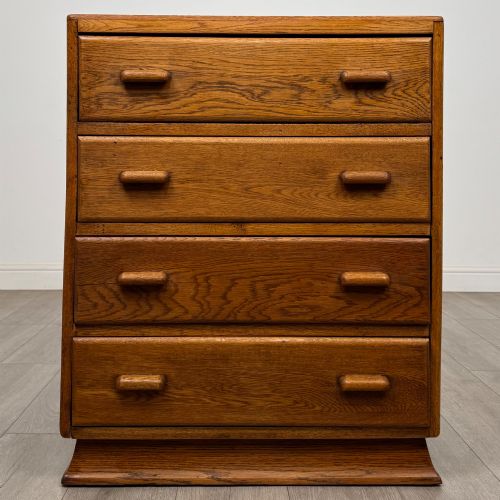
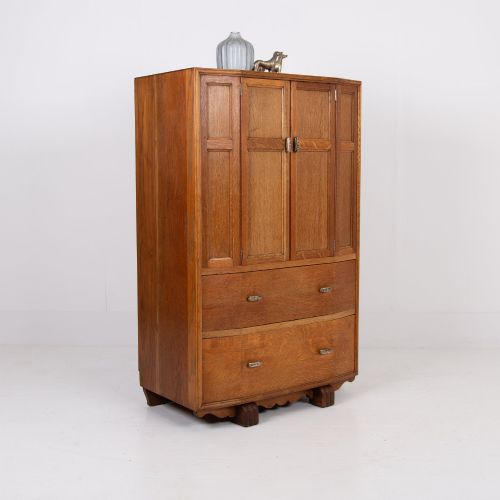
A 1930s tallboy chest provides significant storage space through a tall vertical footprint rather than a wide one. These pieces combine drawers and cupboards in various configurations to suit domestic needs.
Art Deco styling dominates the selection, appearing alongside Edwardian, French Louis XV Style, and Anglo-Indian designs. Buyers frequently encounter oak and walnut examples.
The objects span compactums, tallboy cabinets, and multi-drawer chests. Walnut veneer and solid timber construction define the primary forms.
How they were made
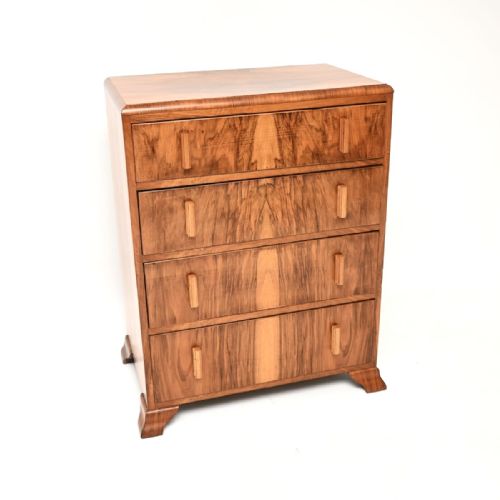
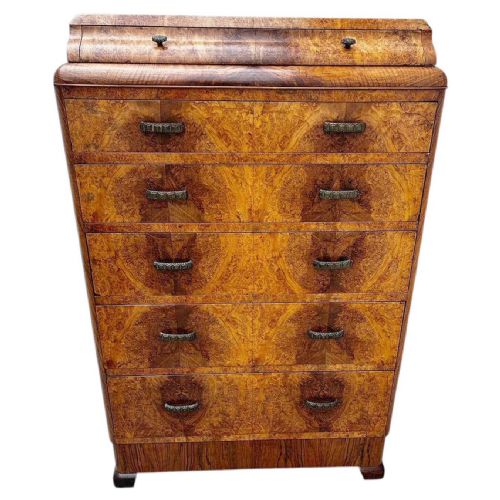
Cabinet makers utilised walnut, burr walnut, oak, and sycamore timbers, often applying veneer over a stable core. Figured grain patterns create striking visual movement across drawer fronts and cabinet doors.
Metal and brass hardware provide functional pulls and hinges. Bakelite elements occasionally appear as distinctive period details on handles and escutcheons.
Some tall cabinets include hidden compartments behind clever drop-front doors, perfect for storing clandestine love letters.
What varies in quality
The choice of surface timbers establishes the visual tier of a piece. Figured walnut, burr walnut, and birds eye maple distinguish finer examples from standard oak or plain timber builds.
Maker attribution elevates certain pieces within the market. Cabinets bearing maker credentials display superior joinery and refined proportions compared to unbranded workshop output.
Hille·Betty Joel·Heal's
The 1930s Tallboy Chest Glossary
- Tallboy
- A tall chest of drawers, often standing upon a matching base section or incorporating a cupboard top. This form maximises vertical storage capacity while occupying minimal floor space.
- Compactum
- A large fitted wardrobe or multi-compartment cabinet containing various internal storage configurations. These units typically combine hanging space, shelves, and drawers within one housing.
- Veneer
- A thin layer of decorative wood applied to a secondary timber base. This technique allows cabinet makers to display figured grains without using solid luxury hardwoods.
- Bakelite
- An early synthetic thermosetting plastic frequently utilised for handles and decorative trims. It provides a durable, tactile finish characteristic of the period.
- Marble top
- A polished stone surface fitted to the upper section of a cabinet. This detail adds weight and a durable, decorative working surface.
1930s Tallboy Chest: Frequently Asked Questions
What is a 1930s tallboy chest?
A tall vertical storage unit combining drawers and sometimes cupboards, designed to hold clothing while taking up minimal floor space.
These pieces belong predominantly to the Art Deco movement, utilising figured woods to create striking focal points in a bedroom.
How do I identify Art Deco pieces?
Look for symmetrical geometric patterns, stepped architectural shapes, and contrasting wood veneers like walnut and sycamore.
Bakelite handles and polished metal accents further reinforce the distinct design language of the period.
Where should I place a tallboy?
Bedrooms and dressing rooms offer the most practical locations, providing essential vertical storage for folded garments and linens.
Due to their height, ensure adequate clearance and consider wall-fixing brackets if placed on uneven flooring.
How do I care for walnut veneer?
Dust surfaces regularly with a soft, dry cloth and avoid placing furniture in direct sunlight or near heat sources.
Applying occasional appropriate furniture wax preserves the moisture and sheen of the wood without building up a heavy residue.