

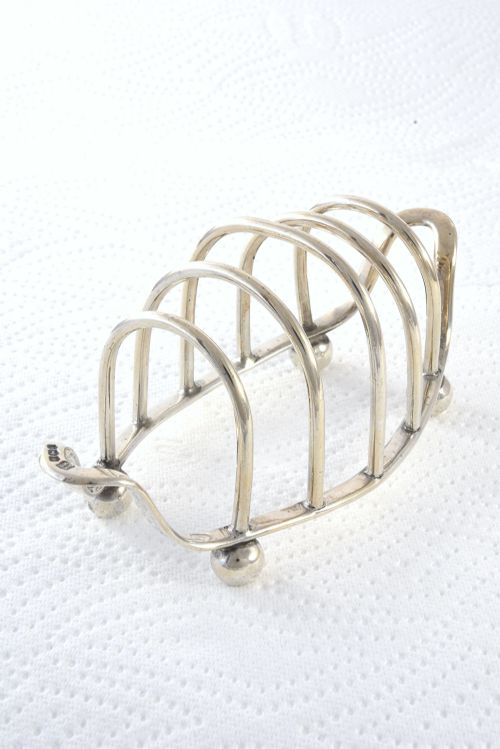


1930s Sterling Silver Holders
These 1930s sterling silver holders bring geometric style and refined utility to the dining table and the desk.
1930s Sterling Silver Holders
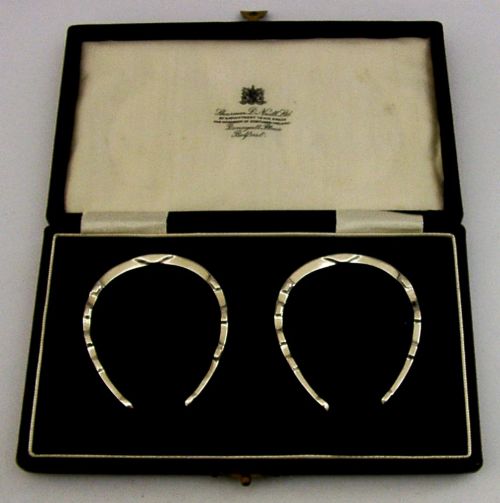
When searching for 1930s sterling silver holders, collectors encounter a diverse range of functional objects designed for dining, smoking, and display. The selection spans George V and George VI reigns, alongside the dominant Art Deco aesthetic, capturing an era of sleek, functional metalwork.
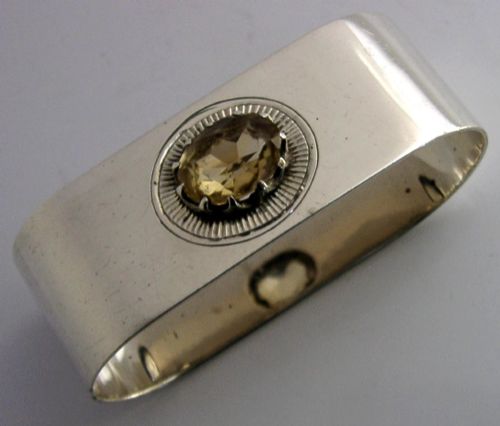
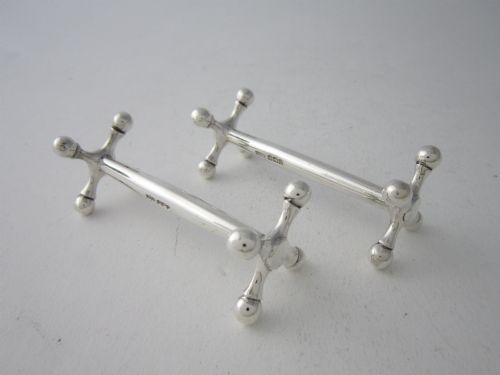
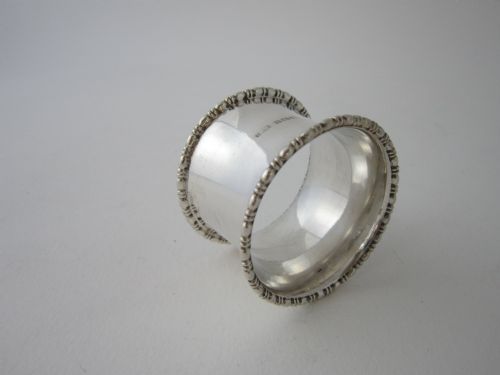
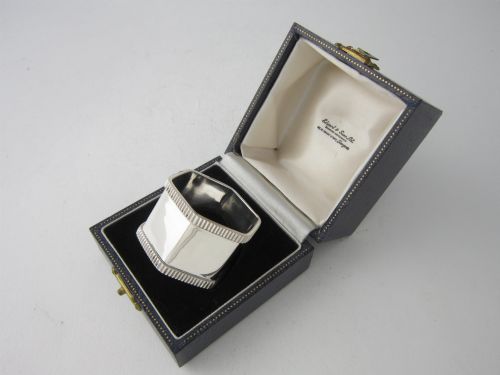
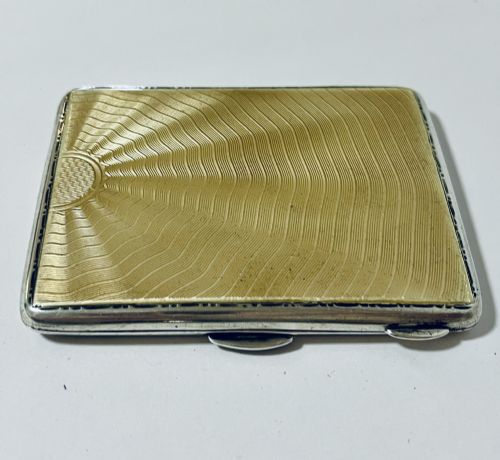
Napkin rings, place card holders, and knife rests form the most common table accessories in this category. Alongside these, cigarette cases, picture frames, and cocktail pick sets demonstrate how silver workshops served both the dining room and the entertaining spaces of the decade.
How they were made
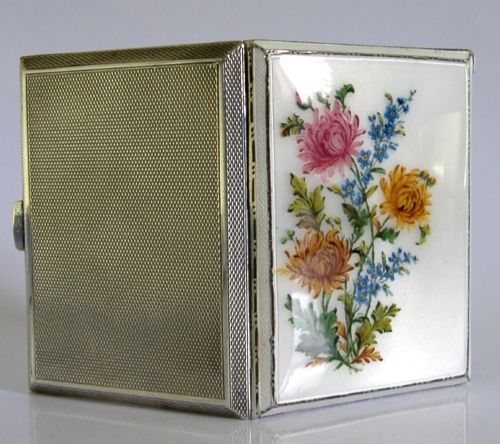
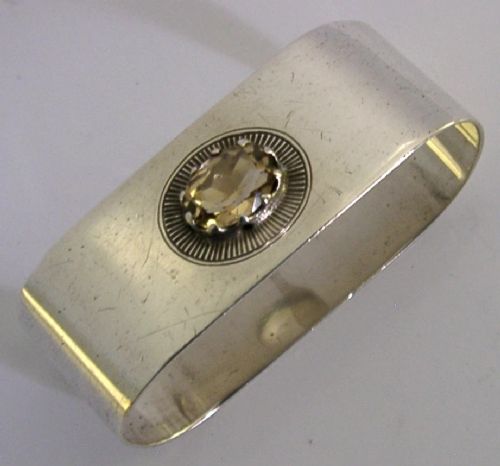
Silversmiths utilised sterling silver alongside specialist materials such as enamel, cut glass, velvet, satin, and citrine to create contrast and colour in these pieces. Hand painting appears on enamelled surfaces, while cut glass forms the structural body of specific holders.
Techniques combine traditional silversmithing methods with the clean geometric lines characteristic of the Art Deco style. Makers employed casting, stamping, and detailed hand-finishing to produce robust items intended for daily domestic use.
Listings for these items feature periods spanning from 1900 through to the 1940s, with a strong concentration in the 1930s.
What varies in quality
The standard of execution in these items rests upon the crispness of the stamping, the precision of geometric motifs, and the preservation of any applied enamel or set stones like citrine. Pieces showing minimal wear to their original surface details demonstrate superior initial craftsmanship.
Completeness also dictates desirability, particularly for cased sets of napkin rings, cocktail sticks, or place card holders where matching components remain together. The clarity of hallmarks stamped into the sterling silver provides further indication of origin and maker standard.
Henry Wilkinson
The 1930s Sterling Silver Holders Glossary
- Sterling silver
- A silver alloy containing 92.5 percent pure silver and 7.5 percent other metals, usually copper, ensuring durability for practical items.
- Art Deco
- A design style prevalent during the 1930s characterised by sleek geometric shapes, streamlined forms, and stylised decorative motifs.
- Hallmark
- Official marks stamped onto silver items indicating the metal standard, assay office, and year of manufacture.
- Place card holder
- A small desk or table accessory designed to grip a card indicating a guest's seating position.
1930s Sterling Silver Holders: Frequently Asked Questions
What are 1930s sterling silver holders?
These pieces are functional objects created in sterling silver during the 1930s, encompassing table accessories like napkin rings and menu holders alongside smoking items and picture frames.
They reflect the prevalent design movements of the period, particularly Art Deco and the George V and George VI reigns.
How were place card holders used?
Place card holders stood upon dining tables to display small cards bearing the names of invited guests.
They formed part of formal table settings during dinner parties and large gatherings in the 1930s.
How do I identify the date?
Dating relies upon the hallmarks stamped directly into the sterling silver by official assay offices.
These marks typically include date letters alongside standard purity symbols to indicate the exact year of manufacture.
What materials accompany the silver?
Makers frequently combined sterling silver with coloured enamel, cut glass, citrine stones, and wooden or fabric linings.
These supplementary materials added visual contrast, colour, and texture to items like cigarette cases and cocktail stick holders.