

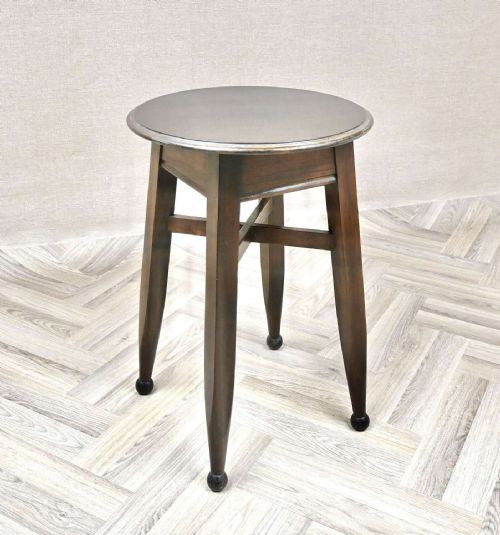
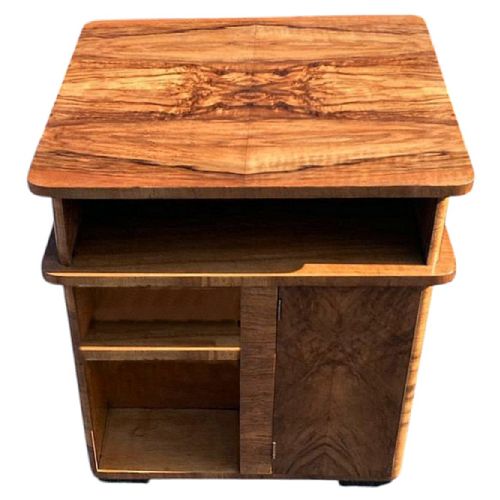


1930s Small Tables
These 1930s small tables bring distinct interwar character and compact utility to modern rooms.
1930s Small Tables
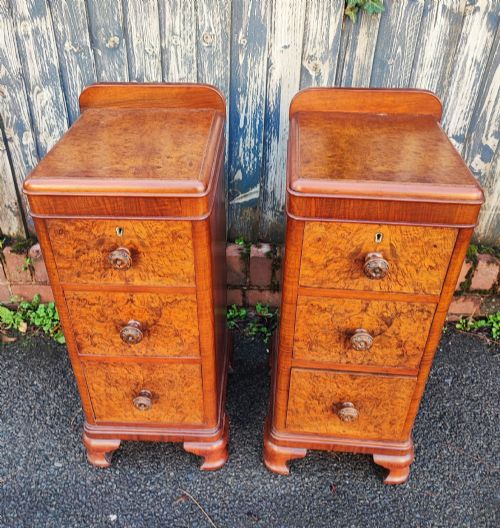
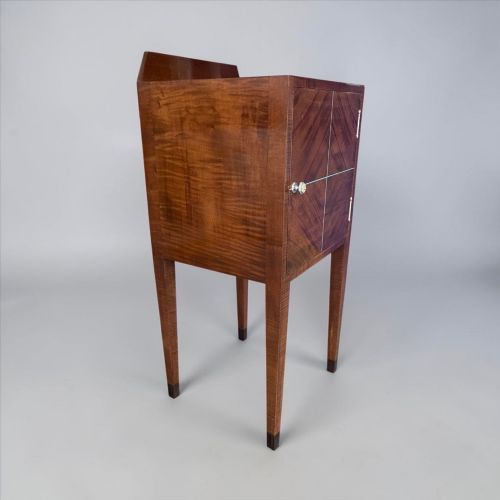
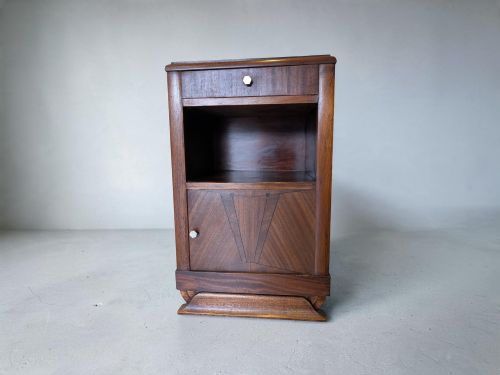
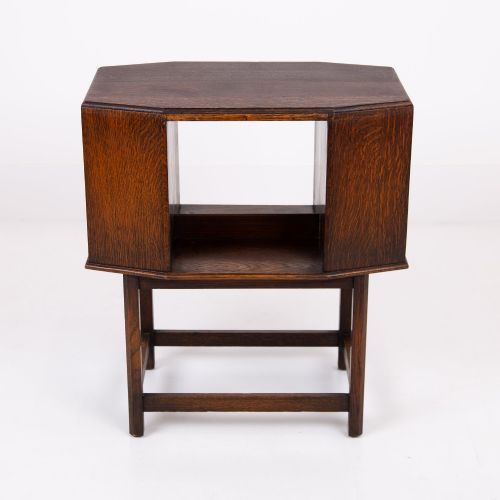
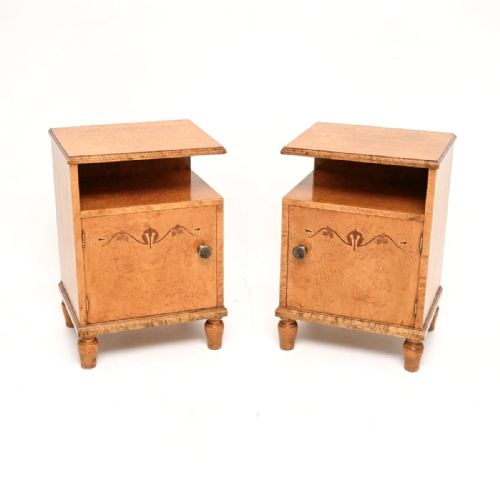
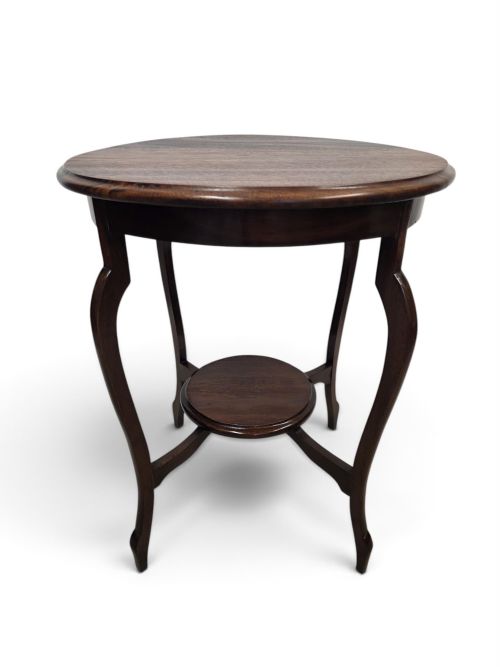
When you search for 1930s small tables, you encounter an array of compact occasional pieces designed for flexible placement around the home. Side tables, bedside cabinets, and tiered stands dominate this selection, offering practical surfaces without dominating floor space.
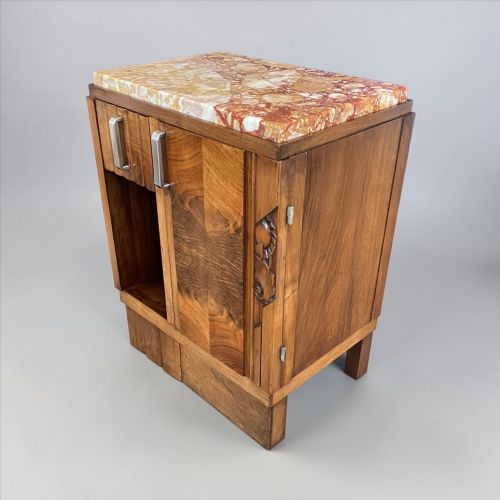
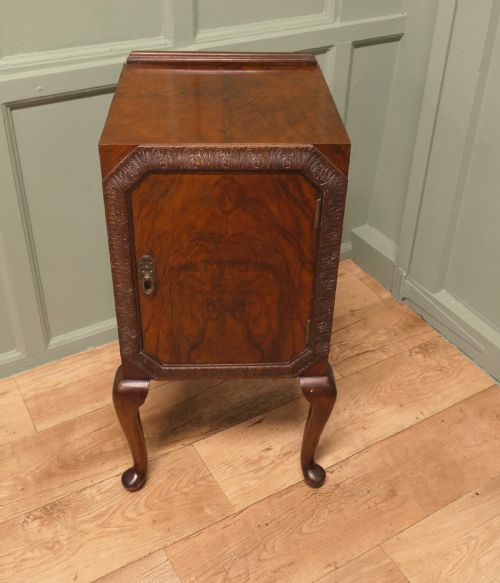
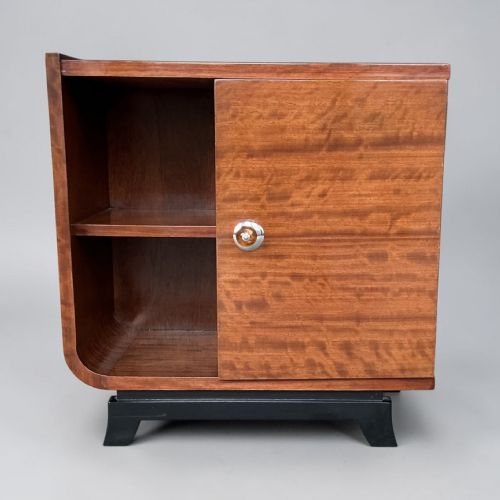
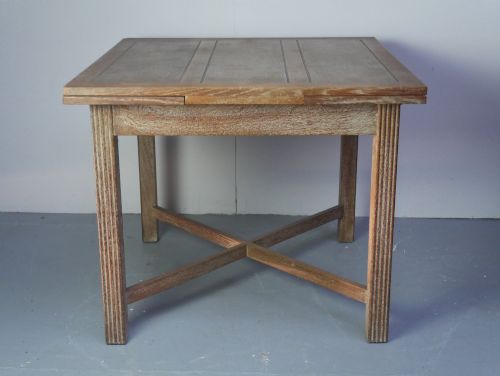
Art Deco styling heavily influences these forms, alongside traditional English and French revival designs. Walnut and oak appear frequently, giving these tables a grounded, substantial presence despite their modest scale.
Originating largely from British and French workshops, the pieces reflect both modernist geometry and older revivalist tastes. Bedside tables and occasional stands are the most common variations met on this page.
How they were made
Cabinet makers utilised solid woods like oak and mahogany alongside decorative veneers such as burr walnut and kingwood. These veneers were carefully applied to display striking grain patterns across flat surfaces and curved cabinet fronts.
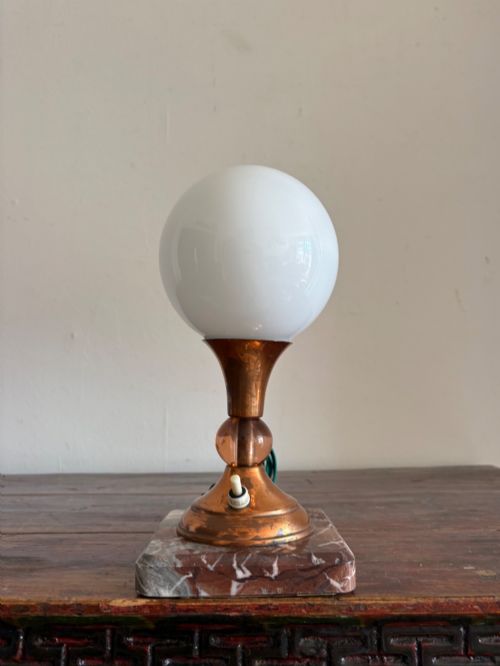
Metal elements, notably chrome and brass, appear alongside marble and mirrored glass tops, reflecting the industrial shifts of the interwar period. Structural joinery ranges from traditional cabriole legs to clean modernist lines.
1930s Small Tables Retail Price Guide 2026
Typical asking prices for 1930s small tables among the pieces listed under this phrase on Sellingantiques today, from the lower quarter to the upper quarter. They describe what is for sale here now, not the wider market.
Materials span walnut, oak, mahogany, marble, brass, and chrome, paired with styling from Art Deco, French revival, and traditional interwar periods.
What varies in quality
Surface finishing and the preservation of original materials dictate the overall integrity of each piece. Superior execution shows in the precision of inlaid details, secure joints, and the harmonious integration of mixed media like chrome and marble.
Heals·DEP·Smiths·A.L. Davenport
The 1930s Small Tables Glossary
- Art Deco
- A design style characterised by sleek geometric shapes, streamlined forms, and stylised motifs that gained prominence during the interwar period. It spans architecture, furniture, and decorative objects.
- Burr Walnut Veneer
- A thin slice of wood taken from the knot or burl of a walnut tree, prized for its swirling, highly figured grain patterns. Cabinet makers applied it to prominent surfaces for decorative effect.
- Cabriole Leg
- A furniture leg that curves outward in a convex arc and then bends inward in a concave arc, terminating in a modest foot. This shape derives from classical furniture design and appears on various period tables.
- Gateleg Design
- A table construction featuring hinged legs that swing out to support drop leaves on either side. This mechanism allows the surface area to expand or contract depending on space requirements.
- Kingwood
- A dense, heavy exotic hardwood featuring rich dark brown colouring with lighter golden streaks. French cabinet makers favoured it for fine decorative furniture during the period.
1930s Small Tables: Frequently Asked Questions
Where do I put a 1930s small table?
These compact tables fit readily beside a sofa or armchair to hold lamps and books. Bedside cabinets serve well in smaller bedrooms where surface space is at a premium.
Tiered occasional tables also suit hallways or corners, offering multiple display levels without taking up significant floor space.
How do I care for walnut veneer?
Dust surfaces regularly with a soft, dry cloth to prevent grit accumulation. Avoid placing wooden tables in direct sunlight or near heat sources to protect the delicate veneer.
Apply a suitable furniture wax occasionally to nourish the wood and maintain a gentle sheen. Keep liquids away from unsealed edges to prevent lifting.
What is the difference between Art Deco and traditional styles?
Art Deco pieces embrace streamlined geometry, symmetry, and modern materials like chrome and mirror glass. They reflect the forward-looking design ethos of the interwar decades.
Traditional styles on this page, such as Jacobean revival or French Louis XV influences, rely on turned legs, carved details, and classic wood tones. These designs look backward to historical precedents rather than industrial modernity.
How do I identify a bedside cabinet from a side table?
Bedside cabinets typically feature enclosed storage space with a door or drawer to keep personal items out of sight. Their proportions are generally tailored to sit level with a standard mattress height.
Side tables and occasional tables prioritise open surfaces over enclosed storage, designed primarily for displaying objects or serving drinks.