


1930s Silver Timepiece
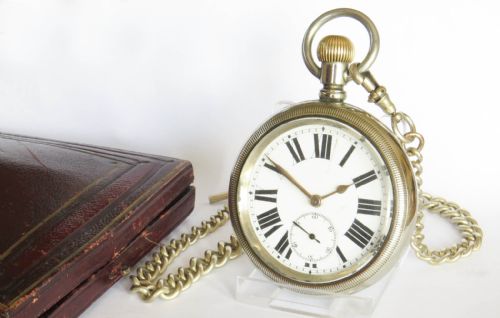
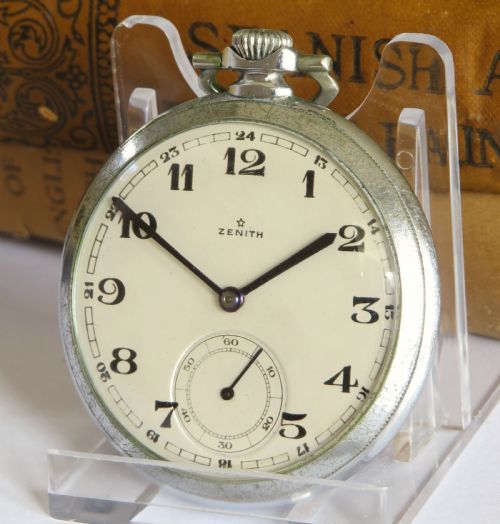
These 1930s silver timepiece items span pocket watches and desk clocks, offering collectors mechanical precision paired with period design.
1930s Silver Timepiece
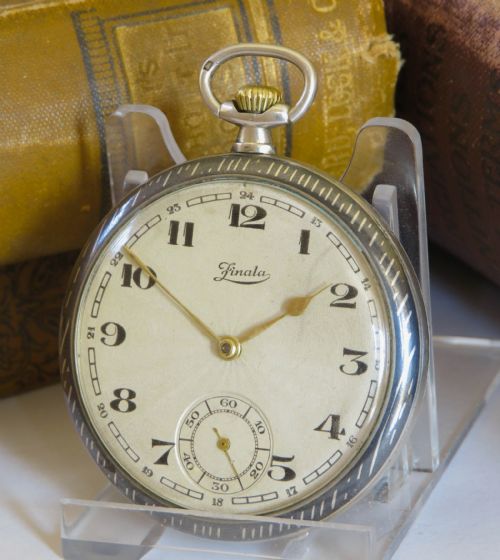
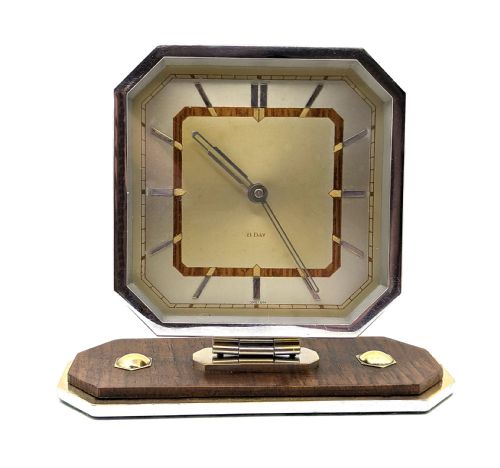
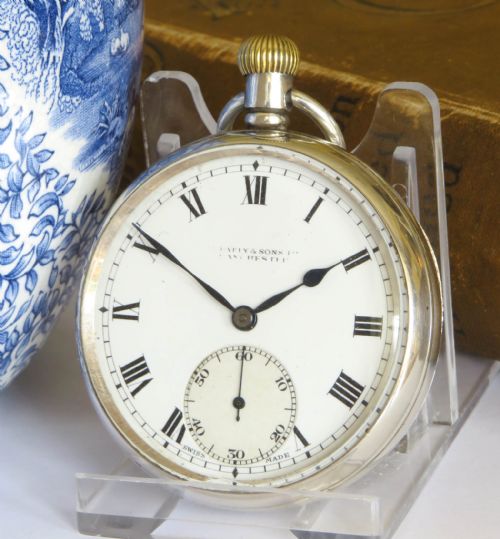
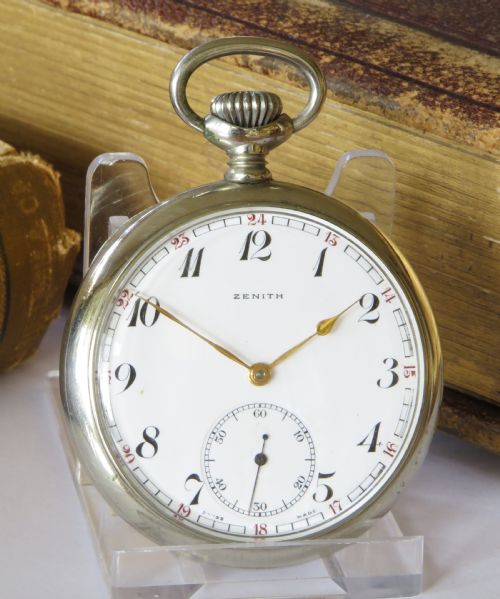
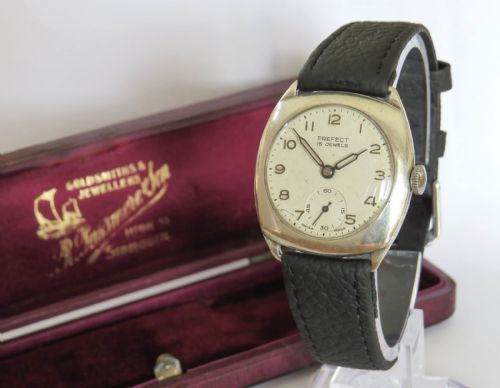
A 1930s silver timepiece covers portable and desk-bound instruments made during the 1930 and 1940 periods. Buyers encounter pocket watches, desk clocks, and wristwatches shaped by the Art Deco style and 1930s Swiss horology.
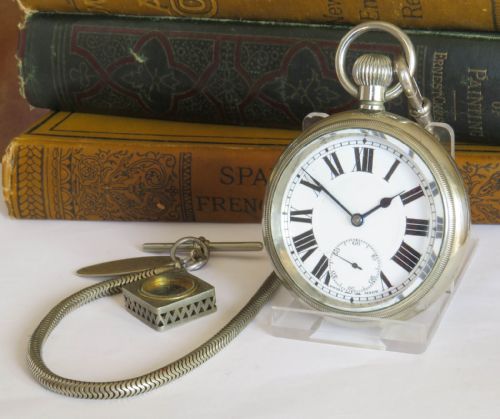
The selection ranges from pocket watches fitted with albert chains and fobs to solid silver cased easel desk clocks and ladies cocktail watches. Silver stands alongside chrome, brass, glass, enamel, stainless steel, and leather across these objects.
How they were made
Watchmakers and clockmakers constructed these pieces using metals such as silver, chrome, brass, and stainless steel, often housing complex mechanical movements. Cases incorporate glass crystals, leather elements, and enamel details.
Makers applied strict manual finishing techniques, producing specialised components like skyscraper easel cases and travel clock housings designed for daily utility.
Listings feature items from the 1930 and 1940 periods, utilising silver, chrome, brass, leather, glass, and enamel.
What varies in quality
Quality separates through the refinement of the movement and the precision of the metalwork casing, distinguishing standard production from specialised workshop output. Solid silver construction and established maker attribution elevate certain items above typical items.
The sophistication of the dial layout and the preservation of original materials determine the overall standing of each piece within its category.
Smiths Clockmakers·Mappin and Webb·Harrods of London·Asprey·Elgin·Cyma·Bayard
The 1930s Silver Timepiece Glossary
- Art Deco
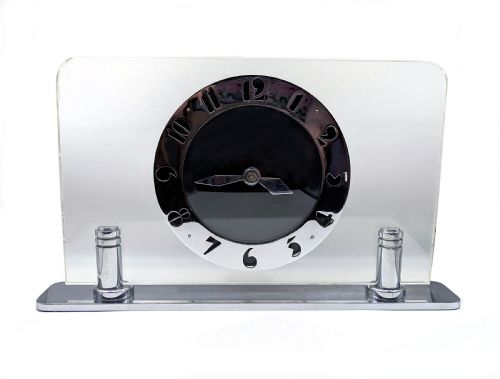
- A design style dominant in the 1930s characterised by geometric forms and modernist lines. It influences the appearance of dials, cases, and desk clock silhouettes.
- Chronograph
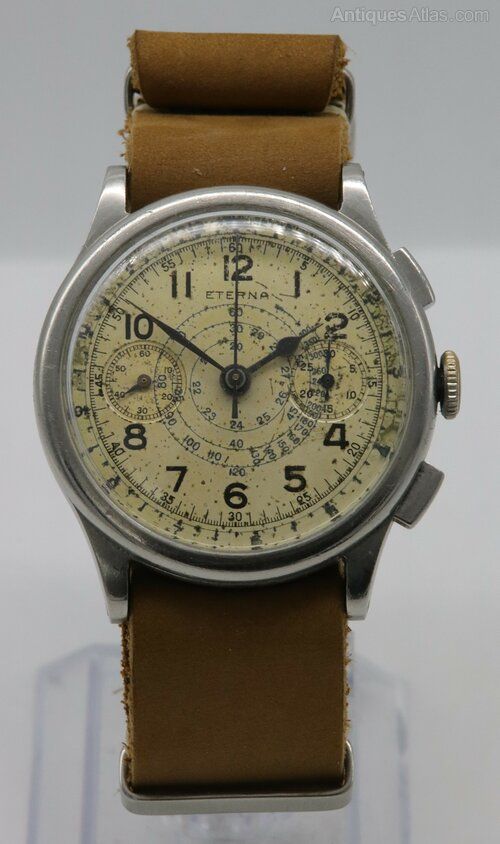
- A watch with a display function used for timing periods alongside standard timekeeping. These mechanical movements require precise gear integration.
- Easel desk clock
- A timepiece supported by a rear strut for standing on flat surfaces. They often utilise solid silver or chrome housings.
- Hermetic watch
- A dustproof and moisture-resistant watch design developed to protect delicate movements from environmental wear. These pieces are typically found in gents wrist formats.
1930s Silver Timepiece: Frequently Asked Questions
How do I wind a 1930s mechanical watch?
Wind the crown gently clockwise until resistance is felt, avoiding overwinding to protect the internal mainspring.
Keep the watch away from moisture and service it periodically to maintain movement reliability.
What materials are common in 1930s timepieces?
Silver, chrome, brass, and stainless steel form the primary structural components for cases and desk frames.
Glass, leather, and enamel complement these metals on dials, crystals, and travel surrounds.
How do I identify an Art Deco clock?
Look for geometric motifs, skyscraper silhouettes, and stylised numerals on the dial face.
These design choices define the modernist aesthetic popular during the 1930 period.
Can I wear a 1930s wristwatch daily?
Many vintage wristwatches function well for regular wear if recently serviced by a professional horologist.
Exercise caution regarding water exposure and physical impacts due to their age.