

1930s Silver Accessories
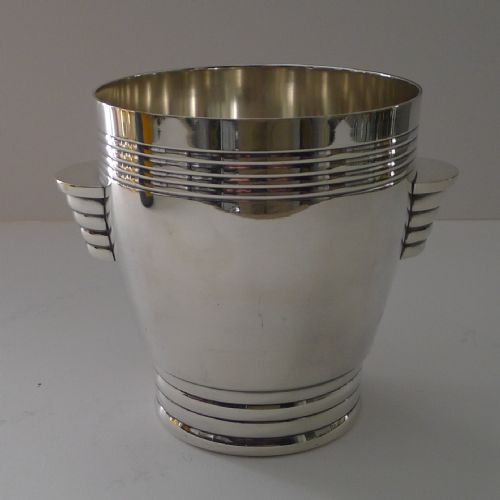
These 1930s silver accessories bring the bold geometric lines of Art Deco and the polished formality of the George V and George VI eras directly to the table and desk.
1930s Silver Accessories
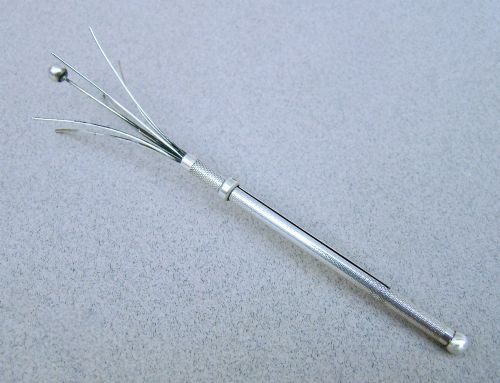
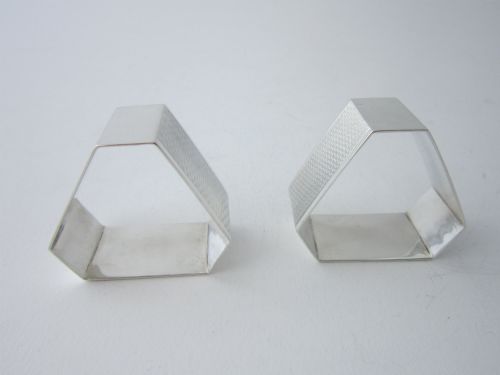
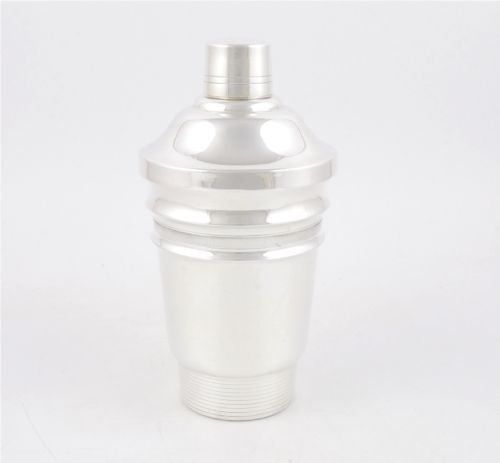
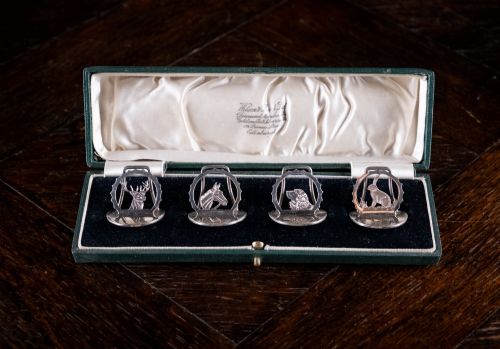
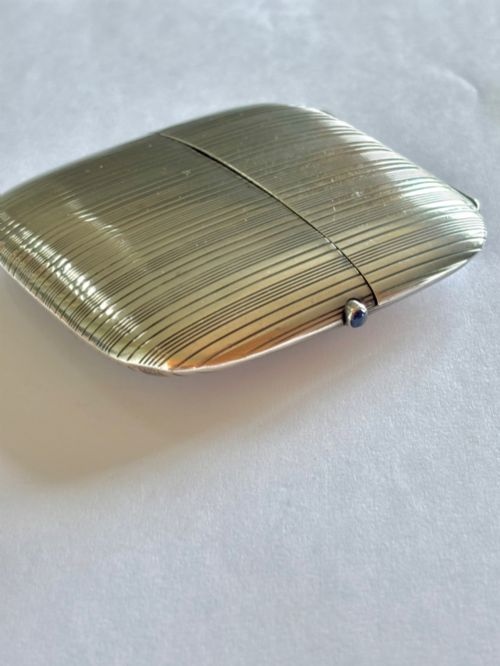
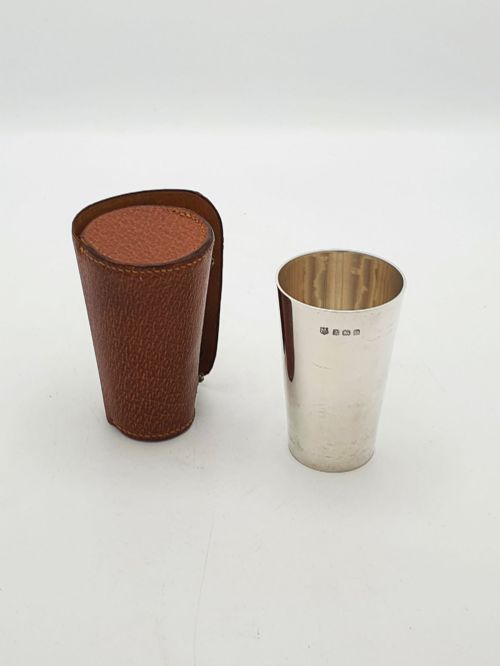
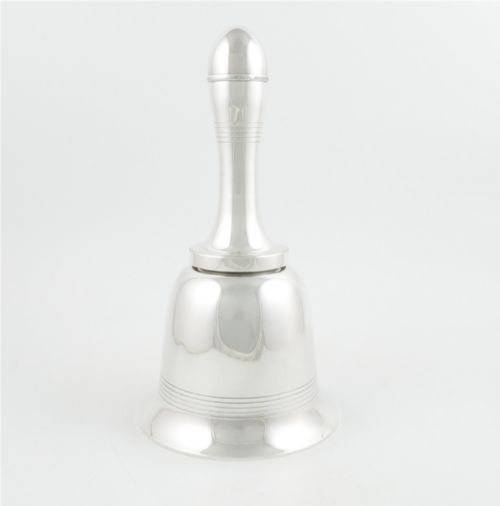
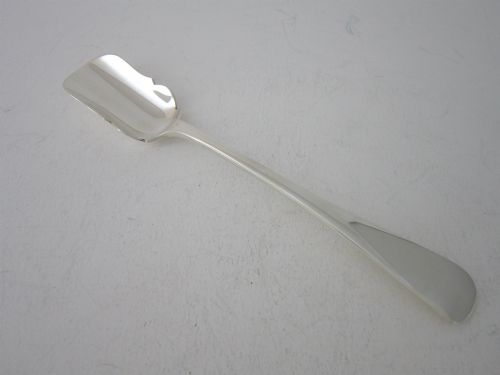
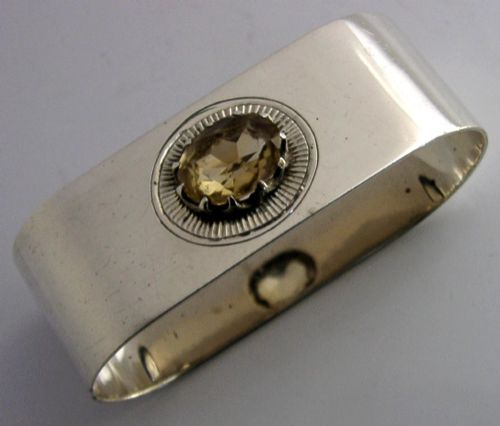
When searching for 1930s silver accessories, buyers encounter a diverse range of items designed for personal use, entertaining and the desk. The selection centres on functional pieces such as cocktail shakers, barware, napkin rings, cigarette cases, magnifying glasses, scent bottles, desk accessories and cufflinks.
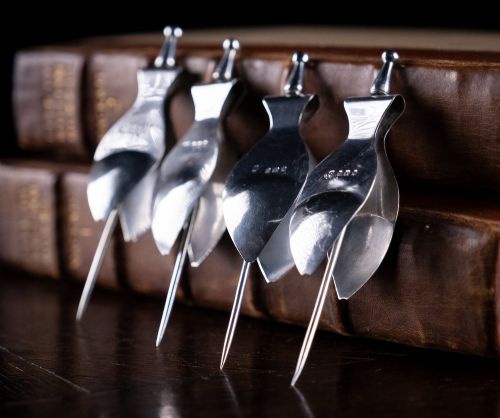
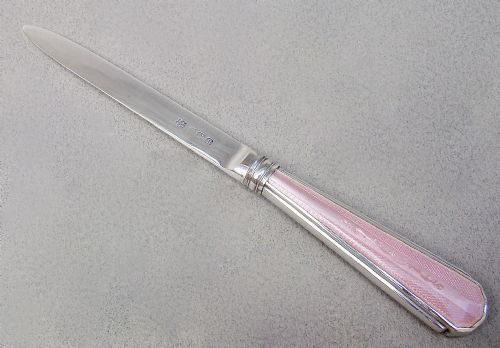
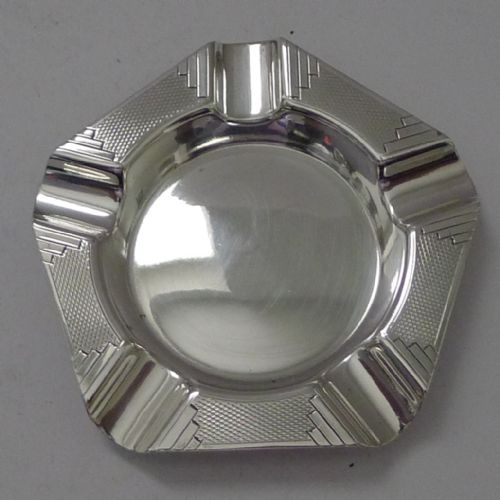
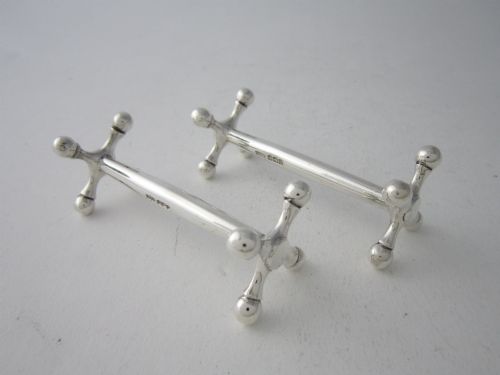
The objects span multiple stylistic movements from the period, with Art Deco dominating alongside George V, George VI, and Arts and Crafts influences. Common forms include travel beakers, ashtrays, knife rests, cocktail sticks, letter openers, sugar shakers, tea strainers, toast racks, shaving sets, table lighters, and hand mirrors.
Most items originate from British makers in Birmingham and London, alongside continental European workshops from France and Denmark. Materials range from solid sterling silver and silver plate to `.900` silver, enamel, glass, metal, velvet, wood, green onyx, shagreen, and aluminium.
How they were made
Craftsmen shaped sterling silver and silver plate through traditional smithing, casting, and pressing techniques to achieve crisp architectural angles and smooth curved surfaces. Metal components were frequently combined with supplementary materials, attaching green onyx bases, wooden elements, velvet linings, or shagreen coverings to structure the pieces.
Enamelling added colour through guilloche patterns and hand-painted floral motifs applied to cigarette cases, compacts, magnifying glasses, and perfume bottles. Glass and cut glass elements were integrated into cocktail shakers, scent bottles, and toothpick holders, often paired with metal mountings and Bakelite details.
1930s Silver Accessories Retail Price Guide 2026
Typical asking prices for 1930s silver accessories among the pieces listed under this phrase on Sellingantiques today, from the lower quarter to the upper quarter. They describe what is for sale here now, not the wider market.
Materials appearing across the inventory include sterling silver, silver plate, enamel, glass, metal, velvet, and wood.
What varies in quality
Quality in these items rests upon the crispness of the metalwork and the precision of the decorative elements. Pieces that display sharp geometric moulding, intact guilloche enamel without chips, and clear hallmarks demonstrate superior original manufacture.
The integrity of secondary materials also dictates the standard of the piece, whether through the secure mounting of green onyx and shagreen or the unblemished clarity of cut glass and mirrored surfaces. Maker marks from established silversmiths further distinguish finer examples within the range.
Walker & Hall·The Barker Brothers·Richard Comyns·Sudre·Broadway & Co·Karl Palda·Keith Murray
The 1930s Silver Accessories Glossary
- Guilloche enamel
- A decorative technique involving precise engine-turned engraving beneath translucent layers of coloured enamel. It appears frequently on cigarette cases, compacts, and mirrors from this period.
- Sterling silver
- An alloy containing 92.5 percent silver by mass, with the remainder usually copper. British pieces from this era typically bear the lion passant hallmark to confirm this standard.
- Shagreen
- Undyed sharkskin or ray skin with a distinctive pebbled texture used to cover luxury boxes and lighters. It gained popularity during the Art Deco revival of tactile surfaces.
- Cocktail shaker
- A vessel used to mix drinks by shaking, frequently constructed from silver plate, glass, and metal. Examples from this decade often feature streamlined cylindrical or geometric profiles.
- Citrine
- A yellow variety of quartz often cut into emerald or rectangular shapes. It serves as a decorative gemstone set into napkin rings and desk items.
1930s Silver Accessories: Frequently Asked Questions
What defines Art Deco silver accessories?
Art Deco pieces from this decade rely on clean geometric lines, symmetrical patterns, and industrial styling. Designers moved away from florid Victorian ornamentation in favour of streamlined silhouettes.
These items often incorporate contrasting materials like black enamel, coloured glass, or exotic skins alongside polished silver surfaces.
How do I identify a 1930s British silver hallmark?
British silver from this period carries a series of stamped punches indicating the maker, the standard of silver, the assay office, and a specific date letter. The lion passant denotes sterling standard, while town marks like the anchor indicate Birmingham or the leopard head denotes London.
Date letters change annually, allowing precise dating between the reigns of George V, Edward VIII, and George VI.
How were silver cocktail accessories used?
Cocktail shakers, strainers, lemon wedge squeezers, and decorative cocktail sticks formed the centrepiece of interwar home entertaining. Hosts used these matching sets to serve mixed drinks during formal gatherings and cocktail parties.
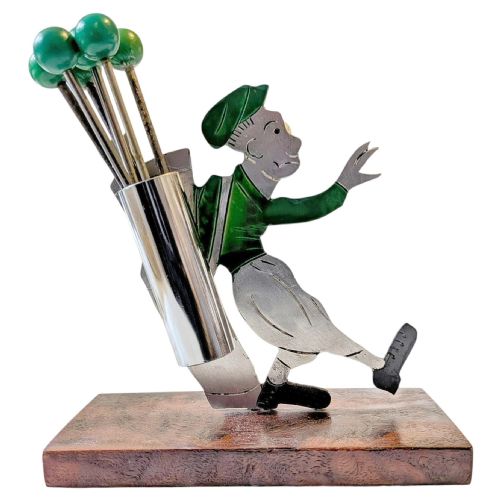
Items like novelty figural cocktail sticks added a humorous or theatrical element to the presentation of finger foods.
How should I care for silver and enamel items?
Silver requires periodic gentle polishing with a soft cloth to remove natural tarnish without abrading the metal surface. Enamel and glass sections need careful cleaning with mild soapy water rather than harsh chemical dips.
Keeping these pieces away from direct sunlight and excessive humidity preserves both the enamel colours and any organic elements like wood or shagreen.