


1930s Sideboard
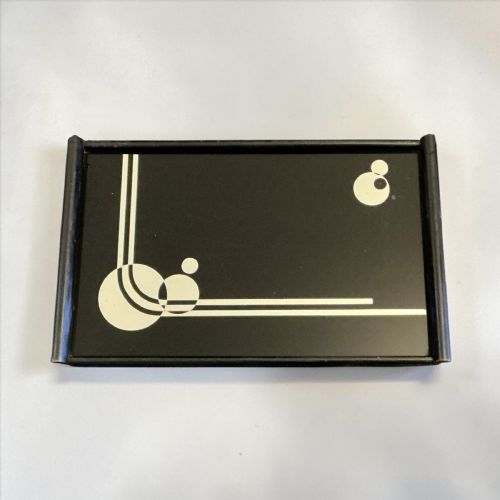
A 1930s sideboard brings substantial storage and distinct geometric form into a dining room or living space.
1930s Sideboard
A 1930s sideboard provides large-scale storage for dining rooms, often taking the form of a low cabinet or serving table designed with generous cupboards and drawers.
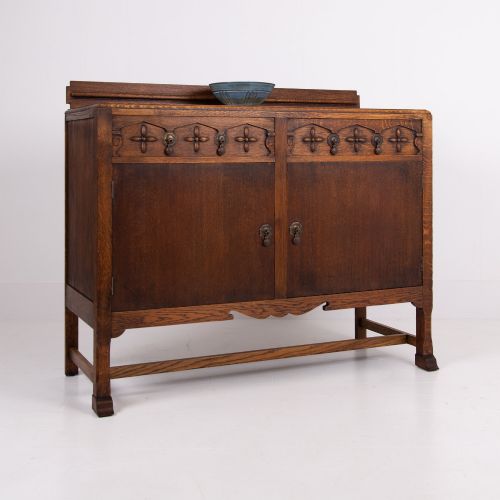
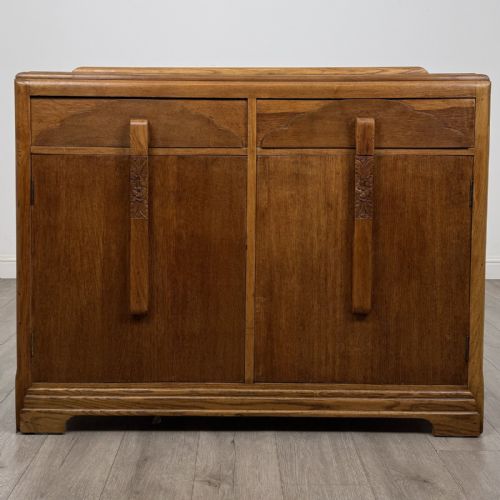
The dominant style on this page is Art Deco, appearing alongside Swedish Grace, Cotswold School oak, and traditional revival designs.
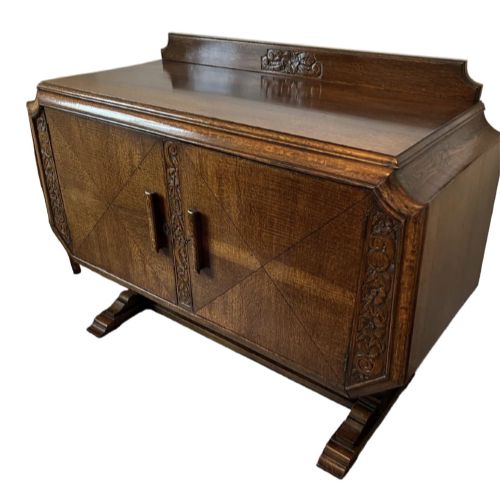
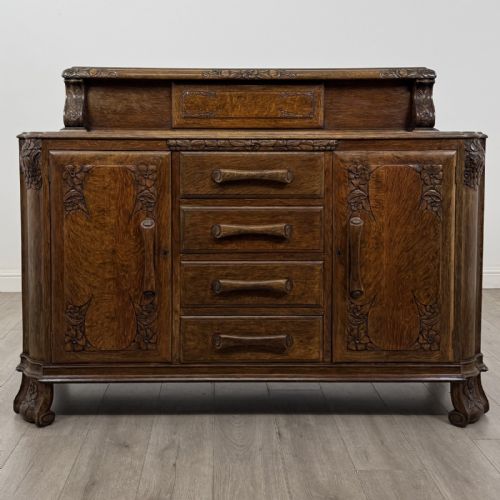
Makers and workshops of the period utilised figured veneers, carved timber, and specialised compartments for cutlery, drinks, and linens to create functional focal points.
How they were made
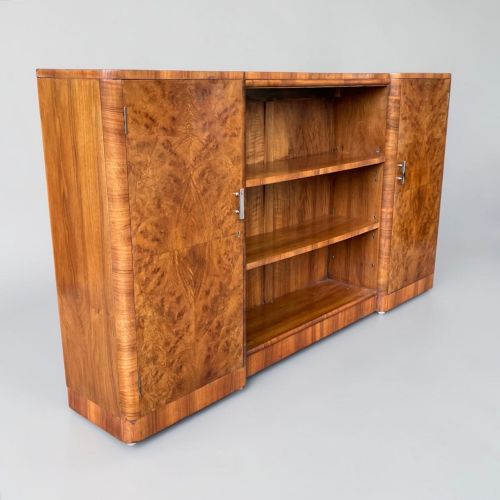
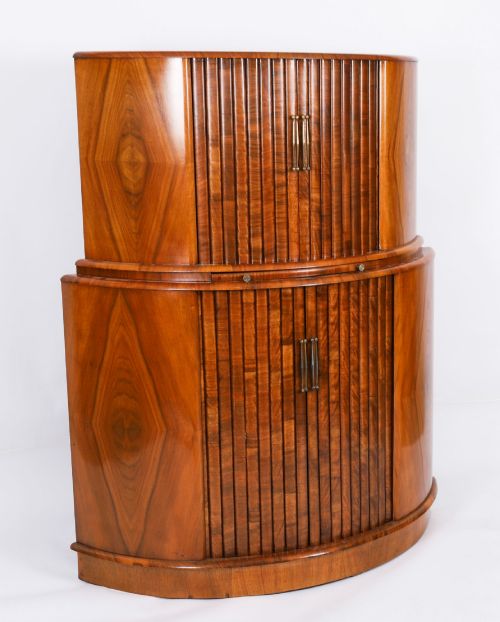
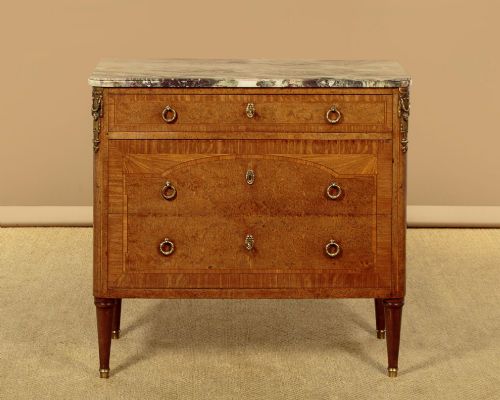
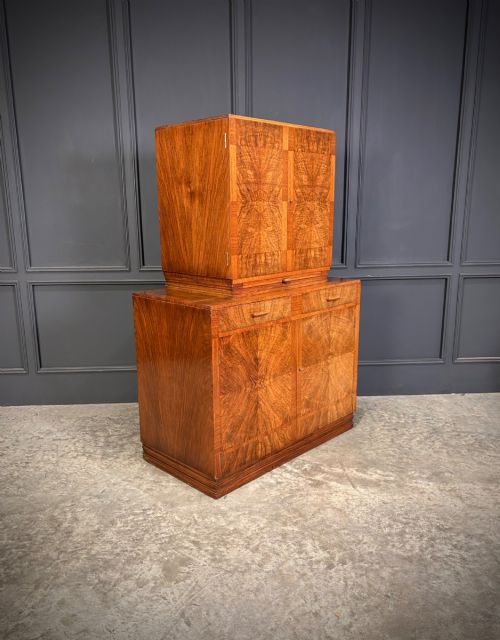
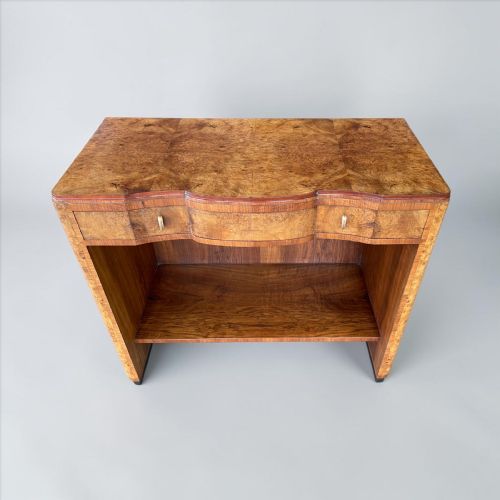
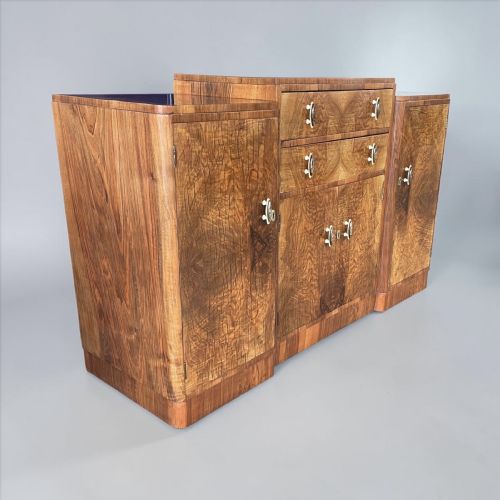
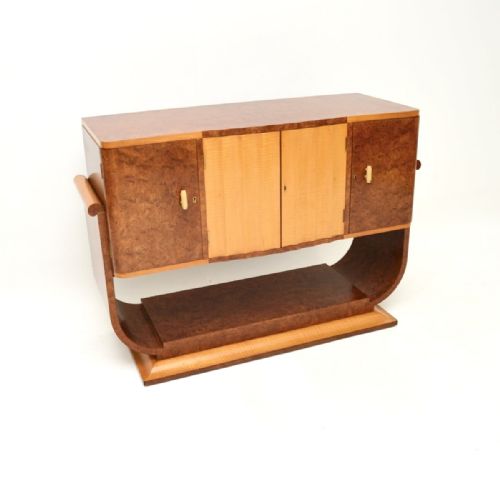
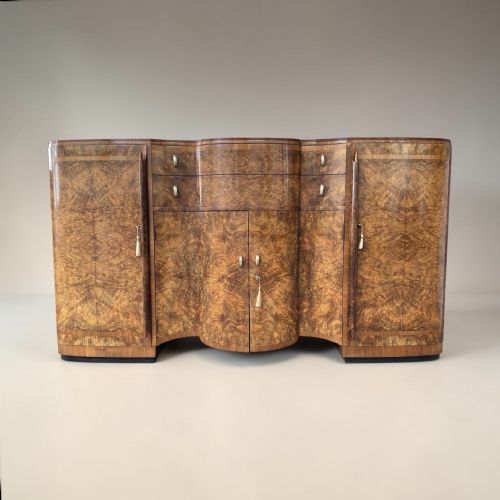
Carpenters laid burr walnut, satin birch, oak, and rosewood veneers over solid wood carcases, arranging the grain patterns to create symmetrical geometric designs across the front doors.
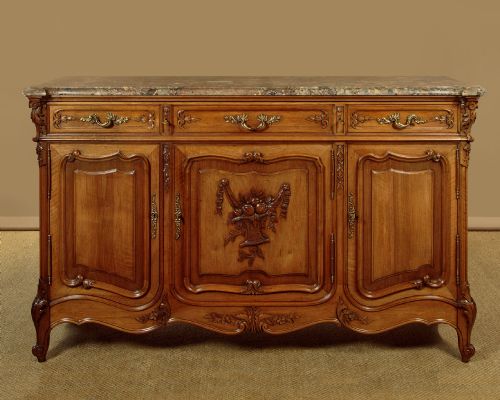
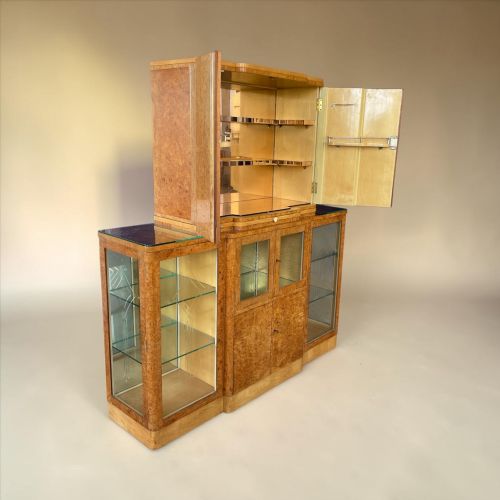
Hardware in brass, metal, and glass complemented the timber, while specialised pieces incorporated cast-iron legs, marble tops, or internal electrical fittings for cocktail cabinets.
1930s Sideboard Retail Price Guide 2026
Typical asking prices for 1930s sideboard among the pieces listed under this phrase on Sellingantiques today, from the lower quarter to the upper quarter. They describe what is for sale here now, not the wider market.
Some interwar drinks cabinets required integrated electrical wiring to illuminate the interior mirrors when the doors opened.
What varies in quality
The choice of timber veneer dictates much of the visual impact, with figured burr walnut and matched exotic grains sitting at the higher end of the scale compared to plain oak.
Joinery standards and the integration of specialised elements, such as fitted cutlery drawers or stamped maker signatures, separate standard production pieces from workshop highlights.
Maurice Adams·Harry and Lou Epstein·Gomme·Peter Waals·Hille·Hamptons of Pall Mall London·Bowman Brothers·Étienne Kohlmann
The 1930s Sideboard Glossary
- Art Deco
- A design style characterised by sleek geometric shapes, streamlined forms, and stylized ornamentation that dominated the interwar period. It influences many sideboards and cabinets from this decade.
- Burr Walnut
- A figured wood grain obtained from the gnarled growths on walnut trees, prized for its complex swirling patterns. Cabinetmakers applied it as veneer on prominent surface areas.
- Gallery
- A raised rim or shelf along the back or top edge of a sideboard or serving table. It prevents items from sliding off the surface during use.
- Veneer
- A thin layer of decorative wood applied over a base timber carcase. This technique allowed makers to display expensive grain patterns without building the entire piece from solid exotic wood.
- Cocktail Cabinet
- A specialised storage unit equipped for mixing and serving drinks, often featuring mirrored interiors and pull-down serving slides.
1930s Sideboard: Frequently Asked Questions
What is the difference between a sideboard and a cocktail cabinet from this era?
A sideboard is designed primarily for dining room storage, featuring cupboards and drawers for tableware, linen, and cutlery.
In contrast, a cocktail cabinet from the same decade includes dedicated internal fittings such as bottle racks, glass holders, and mirrored surfaces for entertaining.
How do I identify Art Deco pieces from this decade?
Art Deco furniture relies on symmetrical geometric patterns, stepped outlines, and contrasting veneer grains rather than traditional carved ornamentation.
Many examples also incorporate contrasting materials like brass, glass, or sycamore alongside walnut and oak.
Where were these sideboards manufactured?
The pieces originate from British workshops, London department stores, and continental European design centres, particularly France and Sweden.
Regional British movements like the Cotswold School also produced distinct oak designs during this period.
How do I care for walnut veneer surfaces?
Burr walnut and figured walnut veneers require stable room humidity and protection from direct sunlight to prevent fading and veneer lifting.
Regular dusting with a soft cloth and occasional application of appropriate furniture wax keeps the polished finish intact.