





1930s Round Table
A 1930s round table brings geometric clarity and rich wood grain to a room, offering a functional centrepiece defined by interwar design.
1930s Round Table
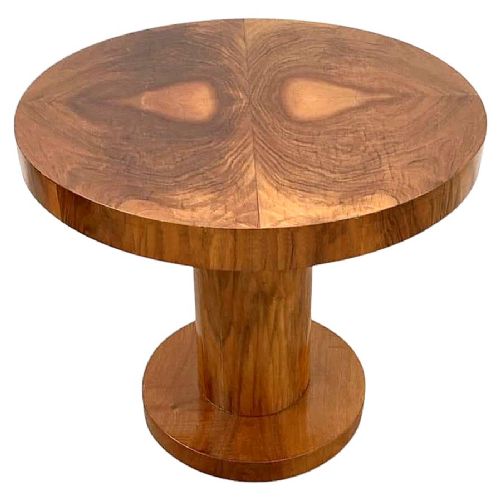
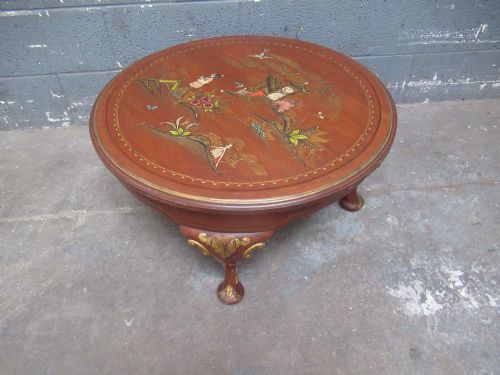
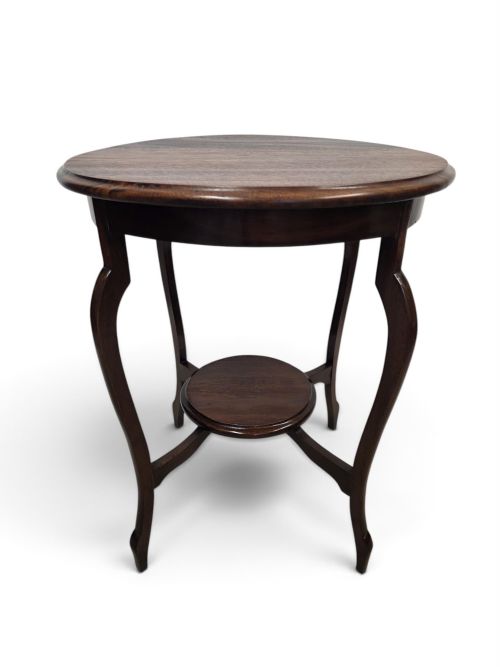
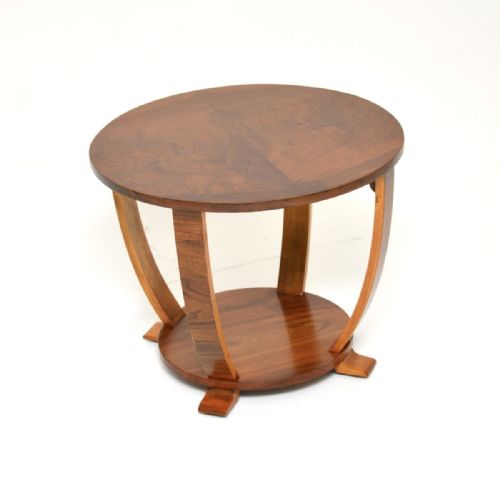
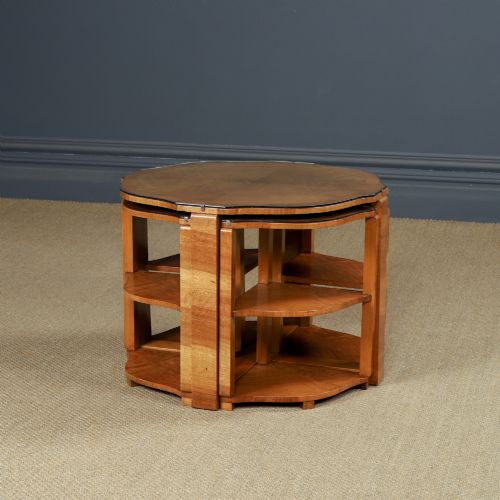
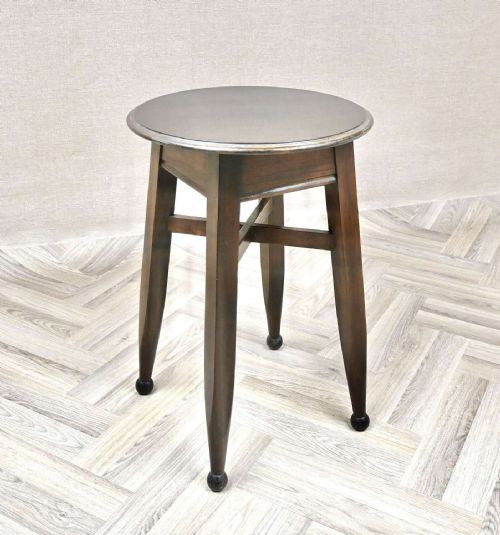
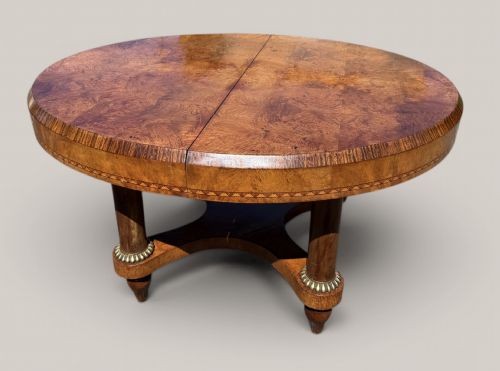
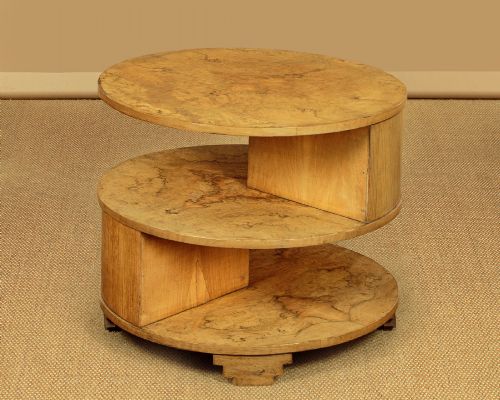
A 1930s round table spans a variety of forms including coffee tables, side tables, and larger dining or pub tables. Most examples on this page reflect the prominent Art Deco aesthetic of the period, alongside Scandinavian and British regional interpretations.
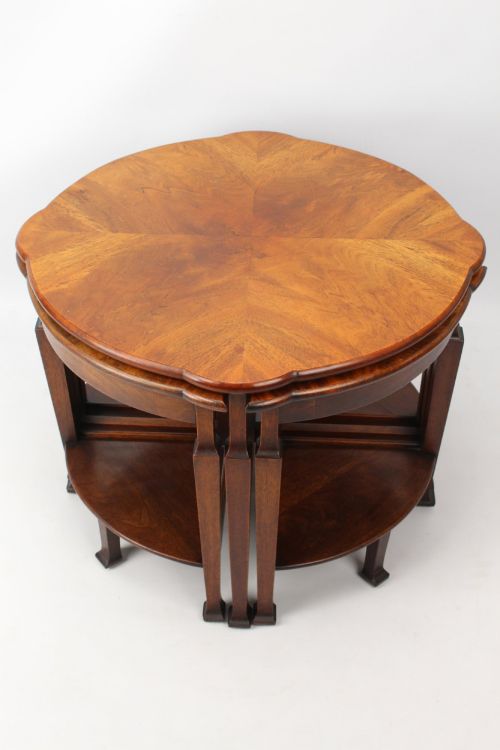
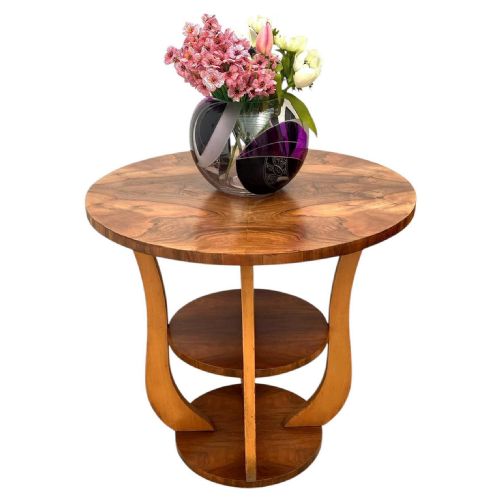
The construction typically relies on circular or drum-shaped formats, sometimes incorporating tiered designs or nesting capabilities. Buyers frequently encounter pieces configured as low coffee tables or occasional lamp stands rather than standard dining heights.
Origins stretch across England, France, Italy, and Scandinavia, introducing subtle regional shifts in timber selection and decorative restraint. The overarching geometry remains firmly rooted in the interwar modernist idiom.
Materials and construction methods
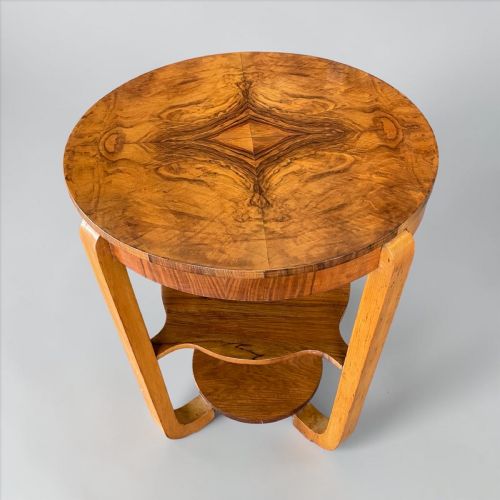
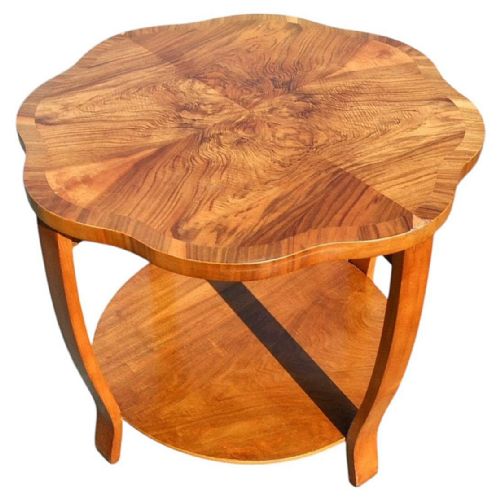
Makers of this era relied heavily on figured hardwoods, applying rich walnut, burr walnut, and maple veneers over solid softwood or hardwood carcasses. Selected pieces utilise exotic timbers such as birch, satin birch, and rosewood to create striking grain patterns across the circular top.
Alongside traditional cabinetmaking, manufacturers embraced industrial materials like chrome, brass, and glass to achieve a clean modernist finish. Structural frames often combine exposed metal elements with polished wood to emphasise the contrasting textures typical of the decade.
1930s Round Table Retail Price Guide 2026
Typical asking prices for 1930s round table among the pieces listed under this phrase on Sellingantiques today, from the lower quarter to the upper quarter. They describe what is for sale here now, not the wider market.
Current listings feature tables produced in walnut, burr walnut, birch, maple, oak, and rosewood, frequently accented with brass, chrome, and glass.
Judging quality in interwar tables
The standard of a piece rests largely on the choice and matching of wood veneers, where symmetrical grain alignment elevates the visual impact. Superior examples display meticulous marquetry and seamless transitions between the circular top and supporting aprons.
Construction integrity shows in the stability of multi-tiered structures and the precision of fitted components like nesting elements or extending mechanisms. Tables that retain their original glass inserts or uncompromised metal plating demonstrate better preservation of their original design intent.
The 1930s Round Table Glossary
- Art Deco
- A design movement of the 1920s and 1930s characterised by streamlined geometric forms, stylised motifs, and modern industrial materials. It dominates the aesthetic of interwar furniture.
- Burr Walnut
- A specialised wood cut from the burl growth of a walnut tree, yielding a swirling, highly figured grain pattern. Cabinetmakers prize this timber for decorative table tops.
- Veneer
- A thin layer of superior wood adhered to a base of standard timber to provide a decorative surface without excessive cost. It allows for symmetrical grain mirroring across large circular tops.
- Occasional Table
- A small, movable table designed for a specific, intermittent function such as holding a lamp or drinks. These frequently appear in circular formats during the 1930s.
- Nesting Tables
- A set of graduated tables designed to fit neatly beneath one another when not in use. They maximise floor space in smaller interwar rooms.
1930s Round Table: Frequently Asked Questions
How do I identify a 1930s round table?
Look for characteristic interwar materials such as burr walnut veneer, polished chrome, and mirrored glass arranged in geometric patterns. The proportions tend to favour clean circular lines and low profiles.
Examine the construction methods underneath to confirm period-appropriate joinery and materials. European examples often showcase regional timber preferences like birch or oak.
Where should I place a round table in my home?
A circular table works well as a freestanding centrepiece in a hallway or as a low coffee table positioned before a sofa. Tiered versions provide surface space while maintaining a compact footprint in smaller rooms.
Ensure the height matches your intended seating arrangement, as many interwar tables are lower than contemporary standards. They pair effectively with both modernist and traditional interiors.
Are these tables sturdy enough for daily use?
Most interwar tables are constructed from solid hardwood frames with substantial veneer surfaces designed for practical domestic tasks. Proper maintenance of the wood polish ensures they withstand regular daily interaction.
Tables incorporating glass or mirrored tops require sensible care to prevent scratching or impact damage. Metal components like chrome and brass simply need occasional gentle cleaning to maintain their finish.
What is the difference between occasional and centre tables?
An occasional table is typically smaller and designed to be moved around a room to serve a temporary function. A centre table is proportioned to stand firmly in the middle of a space as a permanent focal point.
Centre tables from the 1930s often feature more elaborate multi-tiered structures or striking wood veneers. Both types utilise circular top formats during this period.