




1930s Oak Dresser
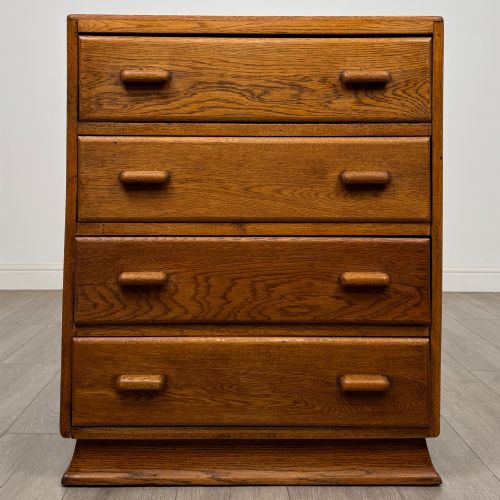
These 1930s oak dresser pieces bring sturdy utility and period character to a room, offering practical storage disguised in rich grain.
1930s Oak Dresser
When searching for a 1930s oak dresser, buyers encounter sideboards, chests of drawers, tallboys, and bookcases spanning several decades. The selection mixes English oak items from the 1930s with earlier Edwardian and 1920s examples.
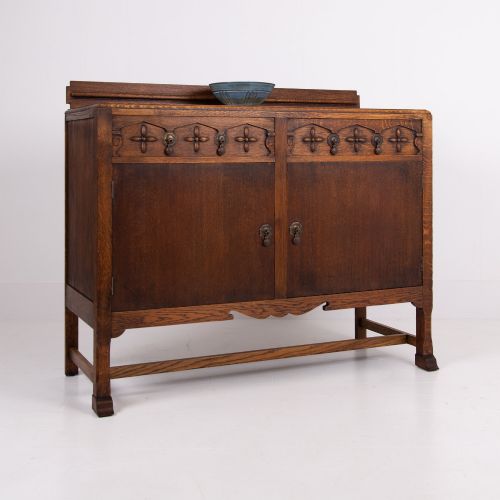
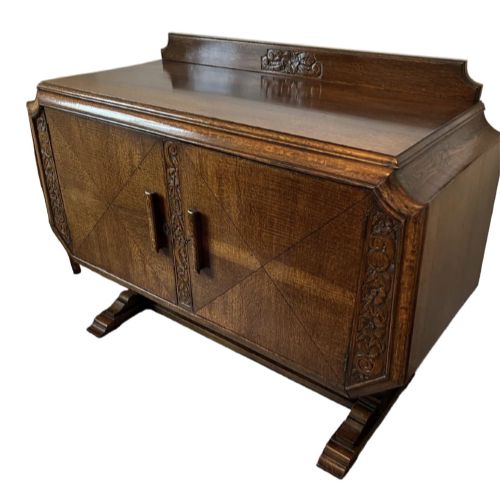
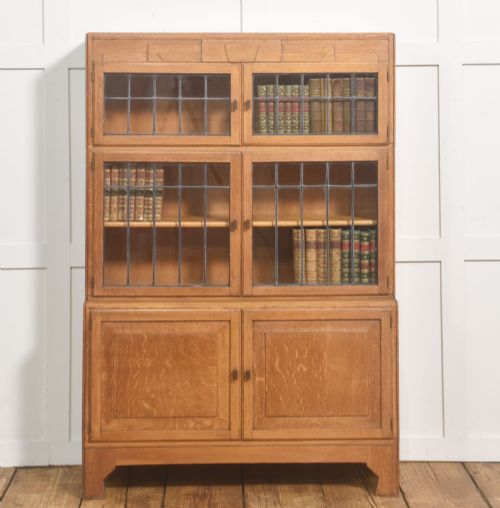
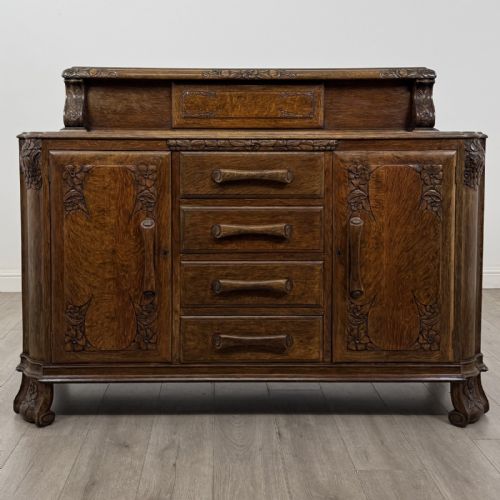
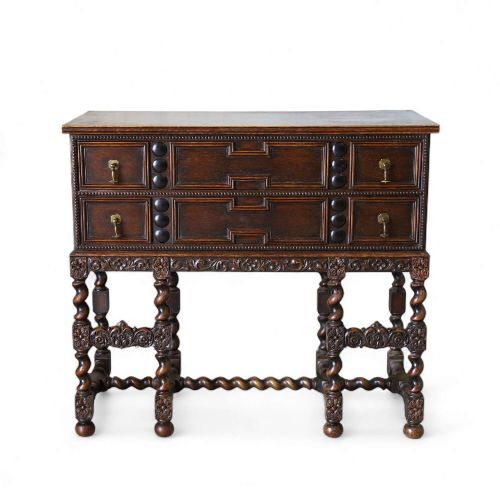
Sideboards dominate the forms, often featuring carved galleries, wooden handles, or leaded glass. Variations range from simple chests to ornate Carolean Revival pieces with barley-twist supports.
Materials extend beyond standard timber to include limed oak and wood veneer, alongside metal, brass, and bakelite hardware. Certain pieces show distinct regional styling, such as Anglo-Indian carved chests.
How they were made
Construction relies heavily on oak and limed oak, shaped into robust frames for sideboards, tallboys, and bookcases. Artisans employed wood veneer to add surface pattern and visual depth to drawer fronts and cabinet doors.
1930s Oak Dresser Retail Price Guide 2026
Typical asking prices for 1930s oak dresser among the pieces listed under this phrase on Sellingantiques today, from the lower quarter to the upper quarter. They describe what is for sale here now, not the wider market.
Listings span the Edwardian period, 1920, and 1930, utilising oak, limed oak, wood veneer, brass, bakelite, and leaded glass.
What varies in quality
Quality differentiates through the depth and precision of carving, particularly on items featuring Carolean Revival or Anglo-Indian motifs. Elaborate barley-twist supports and finely carved gallery backs require skilled handwork that elevates the piece.
The choice of finish and material sets apart different tiers of the range. Standard timber gives way to limed oak and decorative wood veneer, while original wooden handles, brass, and bakelite hardware indicate the original specification level.
The 1930s Oak Dresser Glossary
- Limed oak
- A wood finishing technique that leaves a white or pale pigment in the grain pores. This treatment lightens the appearance of the timber while highlighting its natural texture.
- Carolean Revival
- A style drawing inspiration from the late seventeenth century, marked by spirited carving and turned components. It appears here on sideboards with barley-twist supports.
- Tallboy
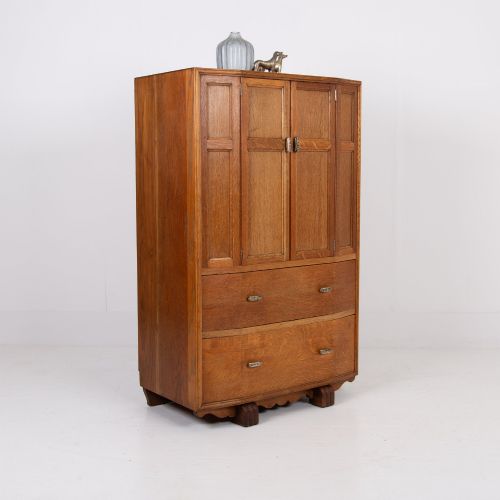
- A tall storage unit combining a chest of drawers with a cupboard section on top. These pieces maximise vertical storage space in domestic interiors.
- Leaded glass
- Windowpanes held together by narrow strips of lead, commonly found in cabinet doors. This technique adds geometric pattern and decorative interest to storage furniture.
1930s Oak Dresser: Frequently Asked Questions
What periods do these pieces cover?
The selection spans items from the Edwardian era through the 1920s and 1930s. Most examples date firmly to the 1930s.
Design influences range from straightforward Art Deco forms to revival styles like Carolean Revival and Anglo-Indian carving.
How were these cabinets used?
Sideboards and chests served as primary storage furniture in dining rooms and living spaces, holding tableware, linens, and documents.
Tallboys and bookcases offered vertical storage alternatives for bedrooms and libraries, keeping belongings organised within fitted compartments.
What materials feature most often?
Oak forms the primary material, appearing in standard finishes, limed oak, and decorative wood veneers. Structural frames utilise timber reinforced by metal elements.
Hardware typically incorporates brass, bakelite, and original wooden handles, while doors often feature glass and lead panels.
How do styles differ across the items?
Art Deco pieces favour clean lines and geometric proportions, sometimes incorporating leaded glass doors. Revival pieces introduce ornate decoration.
Carolean Revival items display barley-twist supports and carved galleries, while Anglo-Indian examples showcase distinct regional carving traditions across multiple drawers.