

1930s Lamps
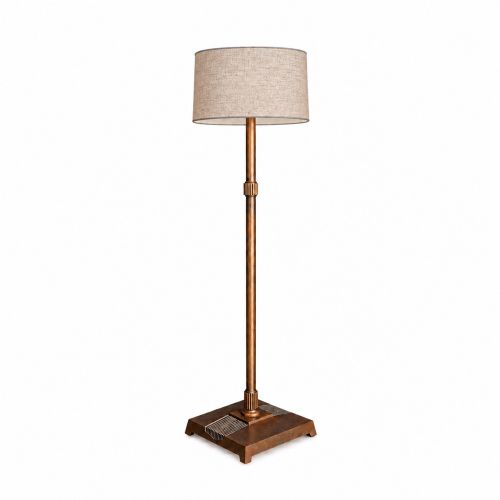
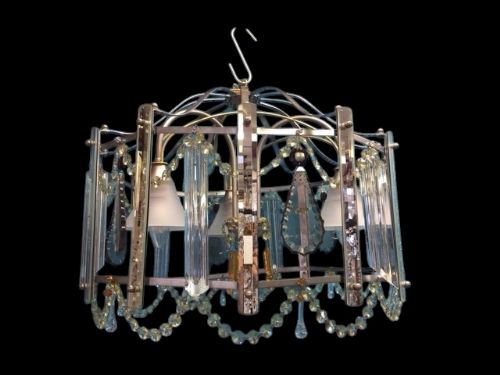
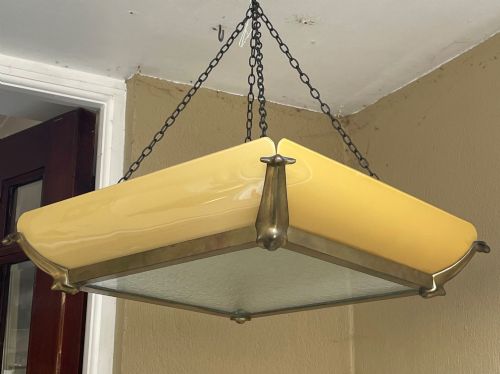
These 1930s lamps combine striking metals, glass and wood to bring architectural character and warm illumination to any room.
1930s Lamps
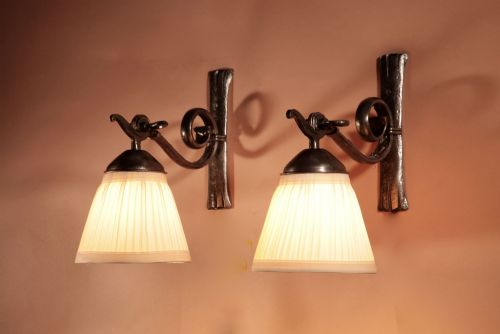
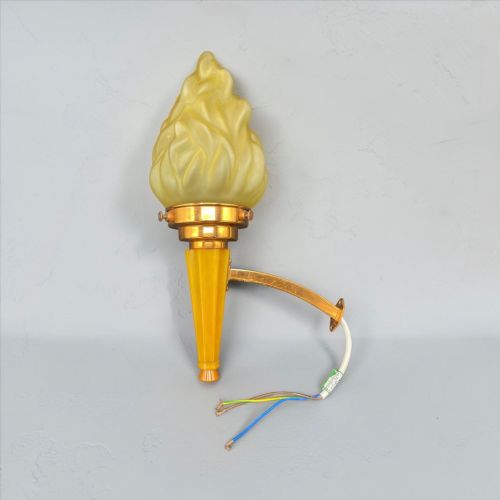
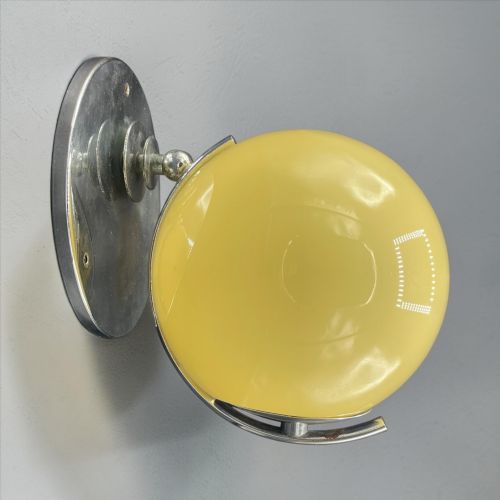
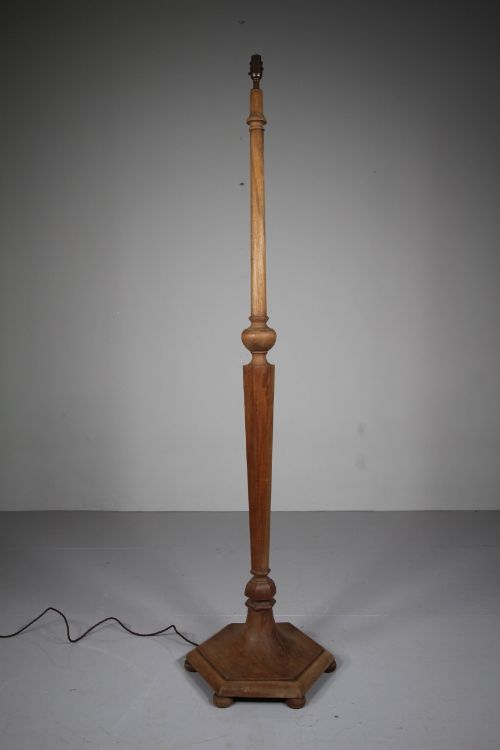
When you search for 1930s lamps, you encounter a distinct blend of geometric styling and industrial materials characteristic of the interwar period. The selections here encompass table lamps, standard floor lamps, wall lights and hanging pendants originating from the 1930, 1920 and Edwardian eras.
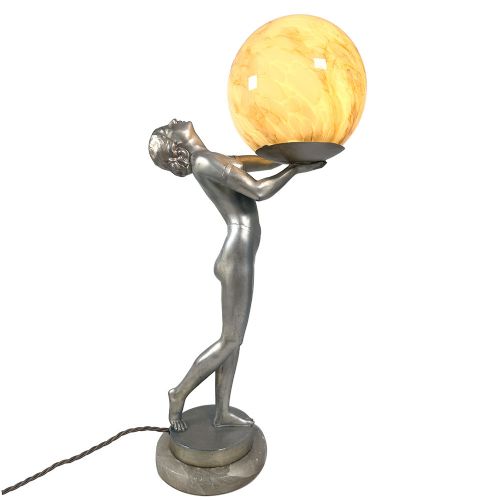
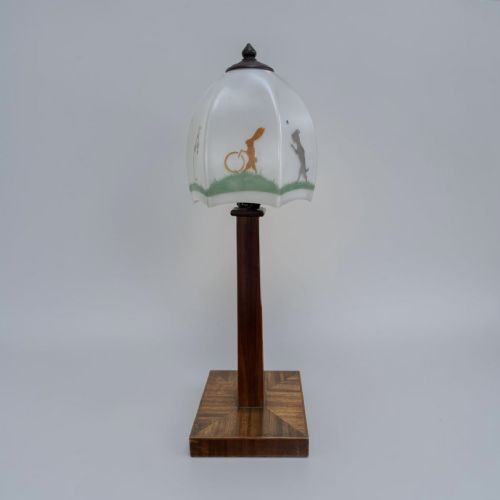
The most frequent form on this page is the table lamp, often paired with figural elements such as standing ladies or animals alongside geometric shades. Standard lamps and wall lights also appear regularly, reflecting the period's shift toward streamlined domestic lighting.
Makers and designers from Britain, France, Italy and America shaped these pieces, utilising regional aesthetics ranging from Machine Age chromium to French Art Deco opalescent glass. Walnut, oak, brass and chrome dominate the physical forms seen across the listings.
Materials and construction
Makers utilised a deliberate combination of metals and woods, pairing chrome, brass, copper and cast iron with figured walnut, oak and rosewood. Structural elements often integrated marble bases or onyx details to provide stability and visual contrast for slender columns.
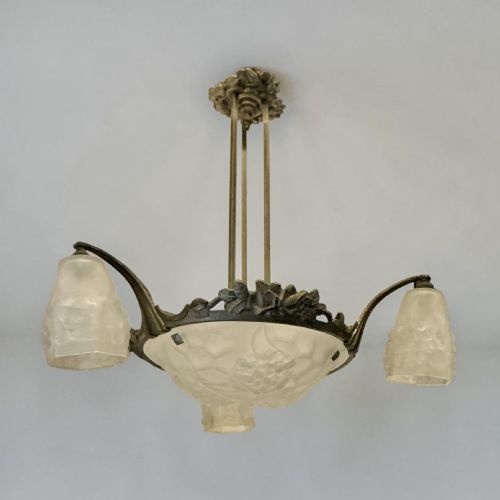
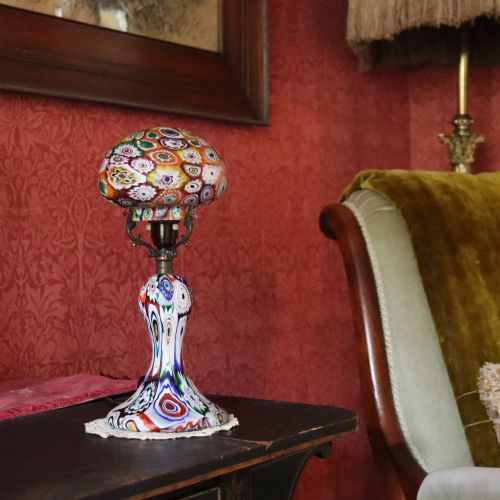
Glass played a central role in the construction of shades and diffusers, featuring frosted, opalescent, mottled, and millefiori finishes. Techniques such as slip shading and moulded glass allowed artisans to manipulate light diffusion while maintaining clean, modern silhouettes.
Two cast iron owls quietly moonlight as lamps after a previous life converted directly from fireplace andirons.
Assessing quality and execution
Quality reveals itself in the choice of base materials and the precision of the metalwork, where solid brass or heavy chrome plating outlasts thinner surface finishes. The weight of marble or onyx plinths indicates the structural integrity of larger floor and table lighting.
The sophistication of the glass components distinguishes standard production from exceptional pieces, particularly in moulded, opalescent, and multi-layered art glass shades. Superior examples display crisp moulding lines and deliberate colour graduation rather than flat, uniform opacity.
Heals·Degué·Fratelli Toso·Eileen Grey·Émile-Jacques Ruhlmann·Charles Schneider·Lacroix·Lalique
The 1930s Lamps Glossary
- Art Deco
- A design style characterised by sleek geometric shapes, streamlined forms and modern industrial materials that emerged in the interwar period. It influences the dominant aesthetic of lighting and furniture from this era.
- Spelter
- An alloy of zinc used as a cost-effective substitute for bronze in decorative figures and lamp bases. It takes patination well but requires gentle handling due to its relative softness.
- Opaline glass
- An opaque or translucent white glass developed to diffuse light softly without glare. It frequently appears in shades and globes from the period.
- Bakelite
- An early synthetic plastic known for its durability and rich, dark lustre. It appears on electrical components and desk lamp bodies from the era.
- Millefiori
- A glasswork technique involving multicolored patterns created by cross-sections of glass canes fused together. It is seen in decorative art glass lamp bodies.
1930s Lamps: Frequently Asked Questions
How do I identify a 1930s lamp?
Examine the materials, switch types, and silhouette for characteristic geometric lines, chrome plating, and opalescent glass shades. Period wiring and maker signatures or attributions often confirm the era.
Compare the construction methods, such as cast metal bases and stepped forms, against known designs from the interwar decades to verify authenticity.
Where should I place a floor lamp?
Standard and floor lamps suit corners of living rooms, beside reading chairs, or flanking sideboards where they provide ambient vertical illumination. Their substantial metal or wooden bases anchor the surrounding furniture arrangement.
Ensure the cord reaches a wall socket safely without creating a tripping hazard across walkways.
Can I mix styles with these lamps?
Interwar lighting complements both period interiors and minimalist modern spaces through its clean geometric lines and reflective metallic surfaces. Pairing a chrome or brass fixture with contemporary furnishings creates a deliberate contrast.
Let the primary material of the lamp, whether walnut wood or frosted glass, echo other textures within the room.