




1930s Lalique Crystal
These pieces of 1930s Lalique crystal capture the bold geometry and tactile surfaces of Art Deco design that collectors prize.
1930s Lalique Crystal
When you search for 1930s lalique crystal, you are looking at functional and decorative objects created during the interwar period. The pieces on this page span several characteristic forms designed for domestic display and use.
The selection ranges from vases and perfume bottles to candlesticks, chargers, plates, bowls, and figural paperweights. These items represent the distinct output of the maker during the nineteen thirties.
Art Deco styling unites these diverse objects, applying stylised motifs to glass and crystal. Each item demonstrates the period focus on combining utility with striking artistic form.
How they were made
Moulding forms the primary technique behind these items, shaping glass and crystal into vases, figures, and vessels. Artisans utilised this method to achieve precise contours and consistent relief across multiple examples.
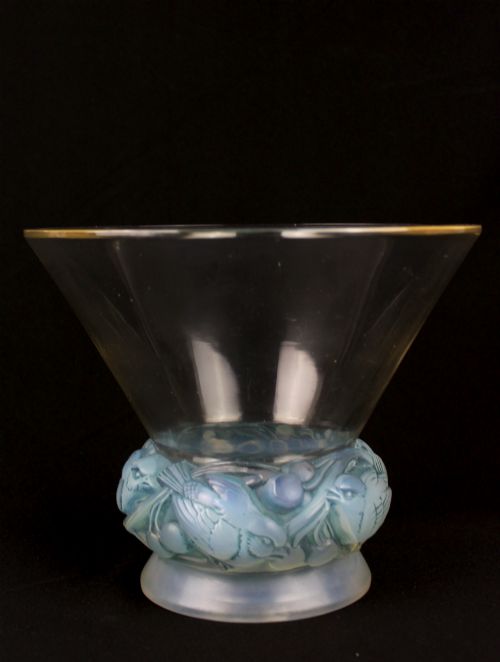
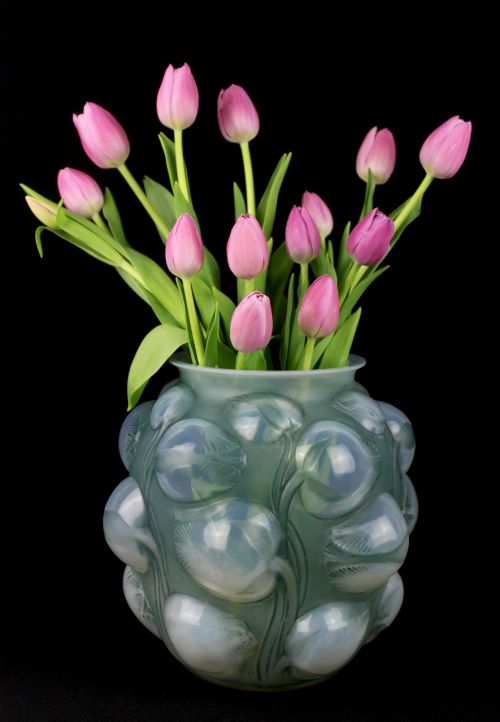
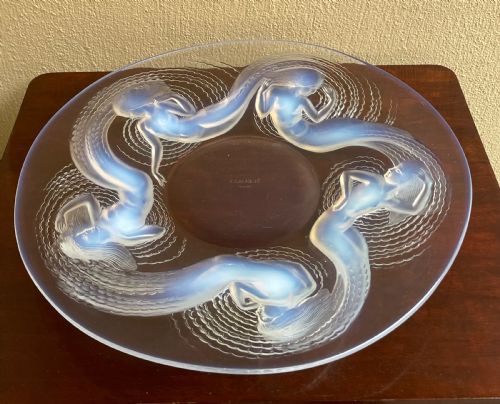
Frosted, clear, and opalescent glass finishes provide the visual texture characteristic of the period. The interplay between transparent and opaque areas creates depth within the moulded designs.
1930s Lalique Crystal Retail Price Guide 2026
Typical asking prices for 1930s lalique crystal among the pieces listed under this phrase on Sellingantiques today, from the lower quarter to the upper quarter. They describe what is for sale here now, not the wider market.
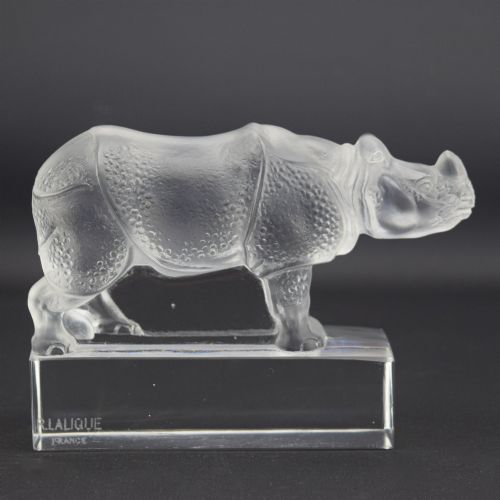
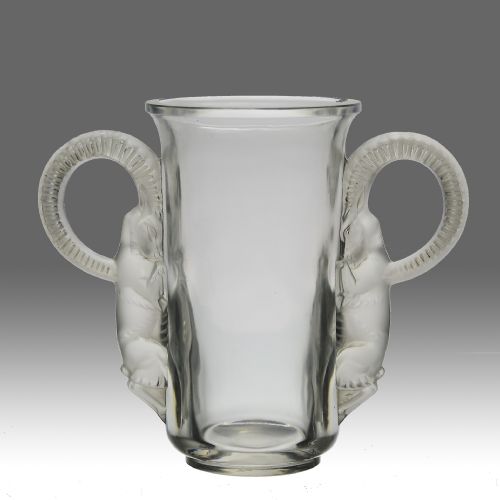
Among the menagerie of moulded glass creatures, a stubborn rhinoceros stands shoulder to shoulder with diminutive sparrows and a stout elephant.
What varies in quality
The degree of optical clarity and the crispness of the moulded relief separate different examples. Superior execution ensures that fine textural details remain sharp and well-defined across the surface.
The effective use of opalescence and frosting determines the visual success of a piece. Finer items display a subtle play of light through the glass that enhances the modelled forms.
Rene Lalique
The 1930s Lalique Crystal Glossary
- Opalescent Glass
- Glass that exhibits a milky, bluish lustre when viewed by reflected light and a warm amber tone by transmitted light. This effect adds shifting colour nuances to the surface of plates and vases.
- Frosted Glass
- Glass with a textured, matte surface created by acid etching or sandblasting. It provides a contrast to clear sections on moulded figures and vessels.
- Moulded Glass
- Glass shaped by being pressed into a metal or wooden form while molten. This technique allows for repeatable decorative reliefs and sculptural shapes.
- Charger
- A large decorative plate used for display rather than dining. These items showcase expansive patterned surfaces in collections.
- Art Deco
- The dominant design style of the nineteen twenties and nineteen thirties characterised by stylised motifs and geometric symmetry. It guides the aesthetic of the forms found here.
1930s Lalique Crystal: Frequently Asked Questions
What items are included in 1930s lalique crystal?
The category encompasses a variety of decorative and functional objects designed in the interwar period. These range from sculptural paperweights depicting animals to vases, perfume bottles, and large chargers.
Art Deco styling unifies these varied forms, which utilise moulded glass and crystal to achieve their characteristic textures and silhouettes.
How were these glass objects used?
Many pieces served specific domestic functions, such as holding flowers in vases, containing scents in perfume bottles, or supporting candles on tables. Other items like chargers and decorative plates were intended for display.
Figural paperweights functioned as desk accessories while doubling as small sculptural works of art for the home.
What materials define this glass?
Moulded glass and crystal form the foundation of these works, shaped into precise decorative and functional designs. Artisans employed clear, frosted, and opalescent finishes to create contrast and visual depth.
Paper labels occasionally accompany vintage examples, though the primary medium remains the worked glass itself.
What defines the Art Deco style here?
Art Deco design in these pieces relies on stylised natural forms, geometric balance, and strong sculptural relief. The aesthetic moves away from Victorian complexity toward cleaner, more modern contours.
This approach is visible in the stylised rendering of animals on paperweights and the bold patterns on vases and plates.
How do frosted and opalescent finishes differ?
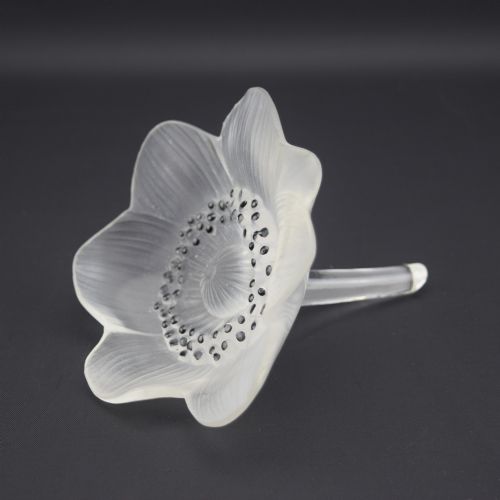
Frosted finishes create a matte, tactile surface that diffuses light and highlights raised details against clear backgrounds. This technique accentuates the sculptural qualities of moulded figures and floral motifs.
Opalescent glass, by contrast, plays with varying tones of blue and amber as light shifts across its milky surface, adding a dynamic optical quality to plates and bowls.