


1930s Karl Palda Glass
1930s karl palda glass brings striking geometric design and hand enamelled detail to your home.
1930s Karl Palda Glass
When you search for 1930s karl palda glass, you encounter pieces defined by the Art Deco style originating from Bohemia and the Czech Republic. These items reflect a period of bold modernist design applied to domestic objects.
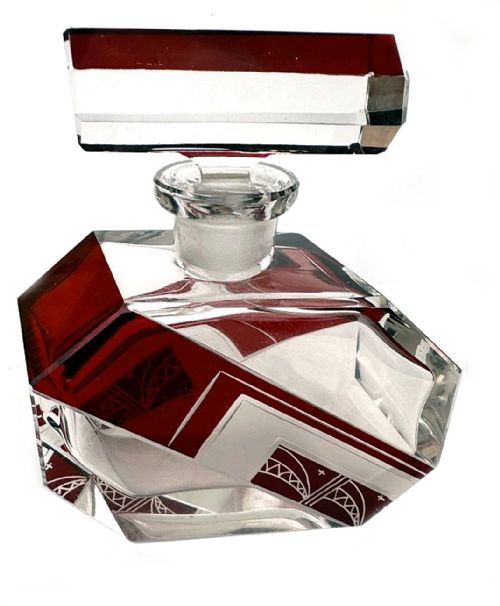
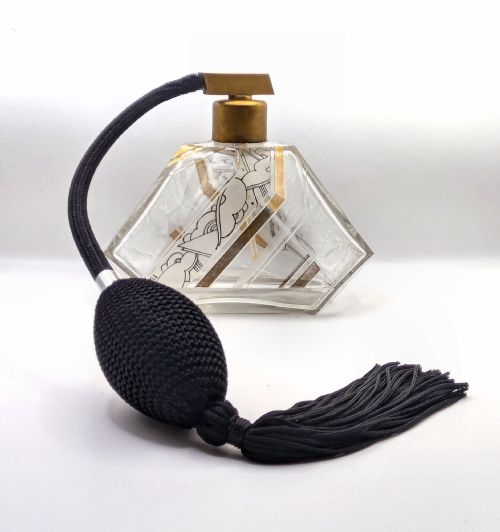
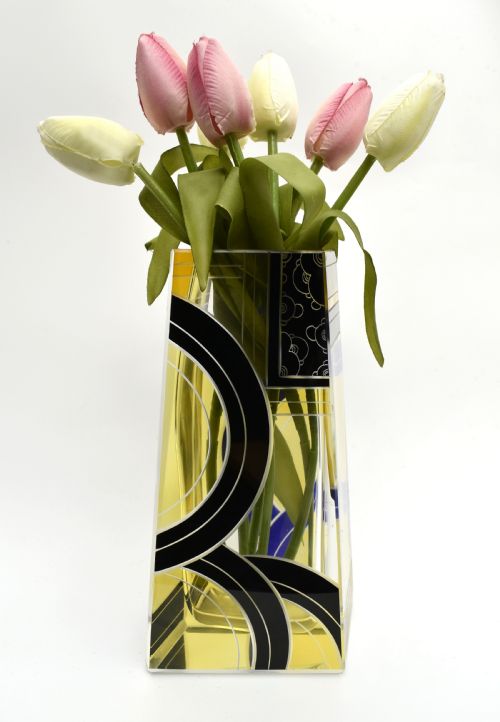
The most common forms you meet on this page are perfume bottles and vases, alongside decanter sets and table lamps. These objects combine utility with the sharp geometric aesthetic characteristic of the era.
How they were made
The makers utilised lead crystal, cut glass, and standard glass, often incorporating uranium glass or coloured varieties such as amber and black. These materials provided a solid foundation for intricate surface decoration.
Techniques involved etching, cutting, and hand enamelling, occasionally paired with chrome, brass, or silver fittings and fabric elements. This combination of glasswork and surface treatment created high contrast designs.
Some perfume bottles arrived in matching globe shapes, ready to sit side by side on a dressing table.
What varies in quality
Quality differences rest in the precision of the cut glass and the complexity of the hand enamelled geometric motifs. Sharper lines and denser enamel work indicate superior execution.
The presence of matching components, such as decanter sets complete with glasses and trays, or globe perfume bottles with original atomisers, elevates the standing of an individual piece.
Karl Palda
The 1930s Karl Palda Glass Glossary
- Enamel
- A decorative coating fused to the surface of the glass through firing. It provides opaque colour and geometric contrast.
- Decanter set
- A matched ensemble consisting of a central vessel and drinking glasses, frequently presented on a matching tray.
- Atomiser
- A spray mechanism fitted to perfume bottles to disperse fragrance. It incorporates metal hardware and sometimes fabric.
- Uranium glass
- Glass containing trace amounts of uranium oxide, which glows bright green under ultraviolet light. It appears in several vases and decorative items.
- Lead crystal
- Glass containing lead oxide, which increases weight, clarity, and brilliance. It allows for deeper and sharper cuts.
1930s Karl Palda Glass: Frequently Asked Questions
What items are available in karl palda glass?
The selection focuses primarily on perfume bottles, vases, decanter sets, and table lamps from the Art Deco period.
These pieces showcase geometric forms, etched patterns, and hand enamelling typical of Bohemian manufacture.
How do I identify a genuine piece?
Look for characteristic Art Deco geometric motifs combined with hand enamelling, cut glass, or etched surfaces.
Items typically originate from Bohemia or the Czech Republic and date from around nineteen thirty.
Were decanter sets sold with matching glasses?
Many decanter sets include a matching tray and a set of glasses or shot glasses.
These coordinated sets represent complete entertaining ensembles from the period.
What materials were used besides glass?
Makers incorporated chrome, brass, and silver alongside fabric elements on perfume atomisers.
Enamel serves as the primary medium for adding colour and pattern to the glass surfaces.
How should I display these glass items?
Place perfume bottles and vases in areas where light can pass through the clear, cut, or coloured crystal.
Decanter sets look effective displayed on sideboards or dedicated trays alongside their matching glassware.