


1930s Furniture Pair
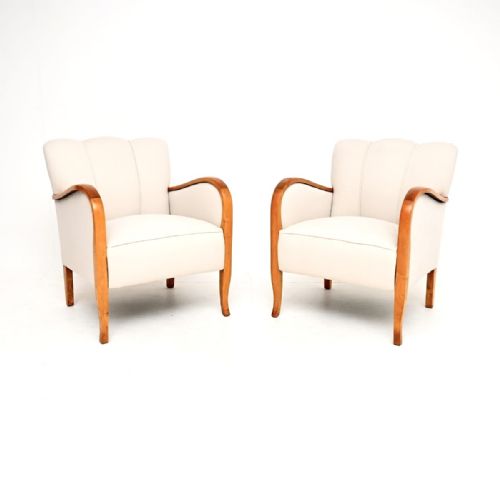
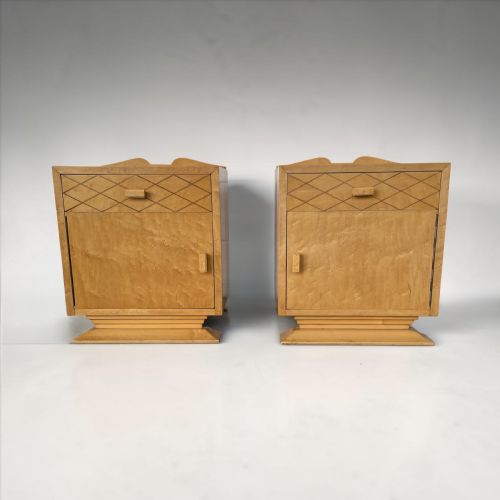
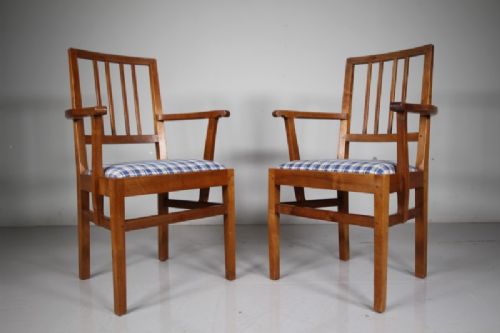
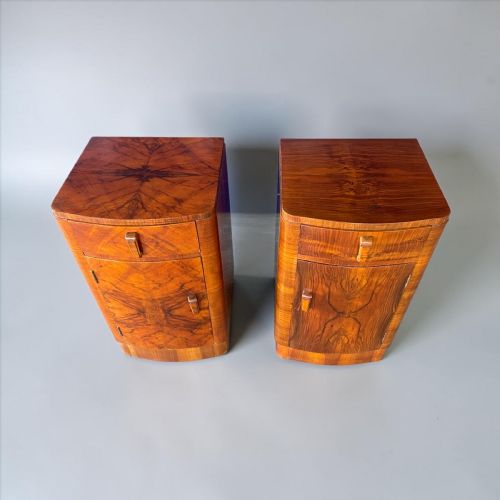
A 1930s furniture pair brings matched design and balanced proportions to a room, offering functional symmetry for the bedroom or sitting space.
1930s Furniture Pair
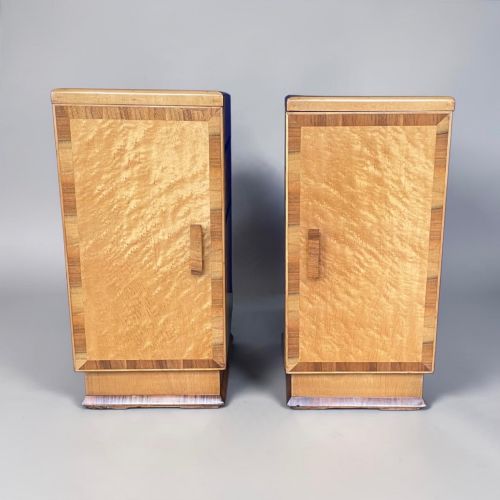
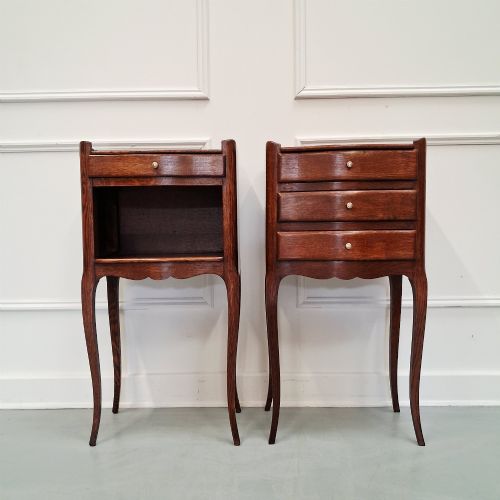
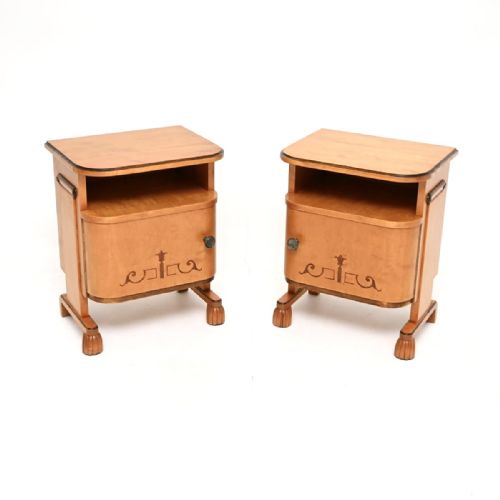
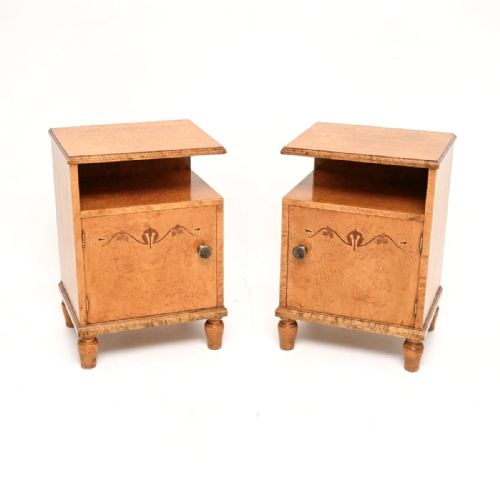
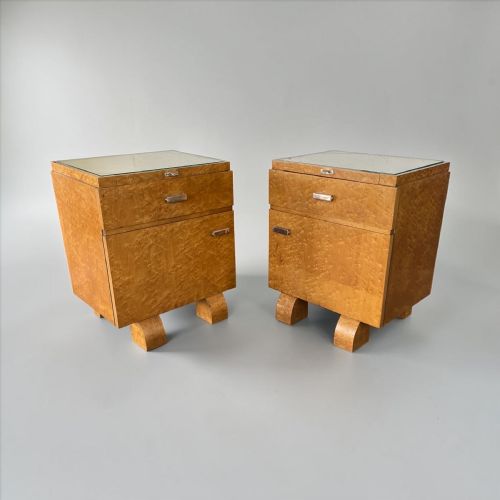
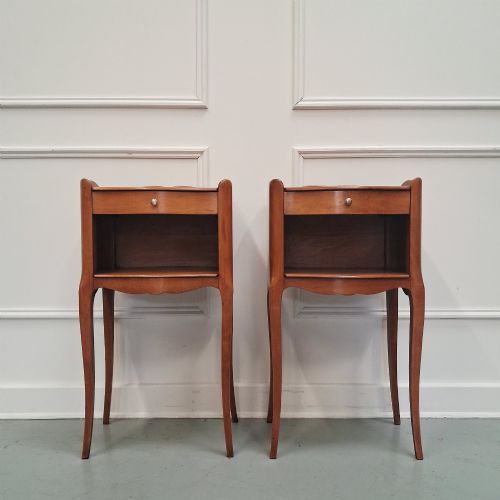
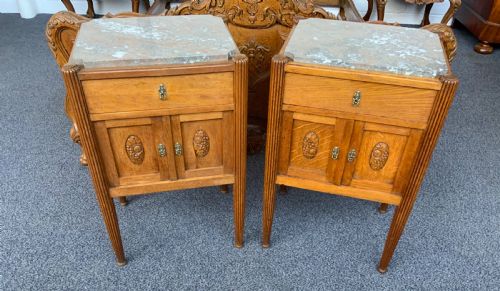
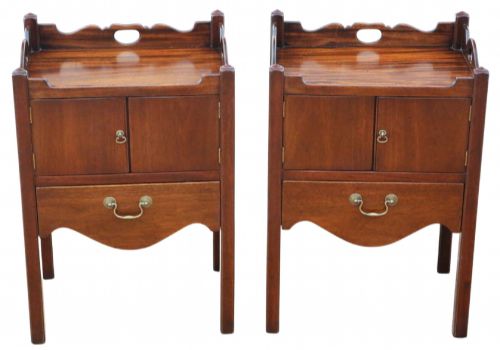
A 1930s furniture pair most frequently takes the form of bedside tables or cabinets, matching the high volume of sleeping chamber pieces produced during the period. These dual items span diverse regional interpretations, from French oak and kingwood designs to Swedish satin birch and Scandinavian Art Deco creations.
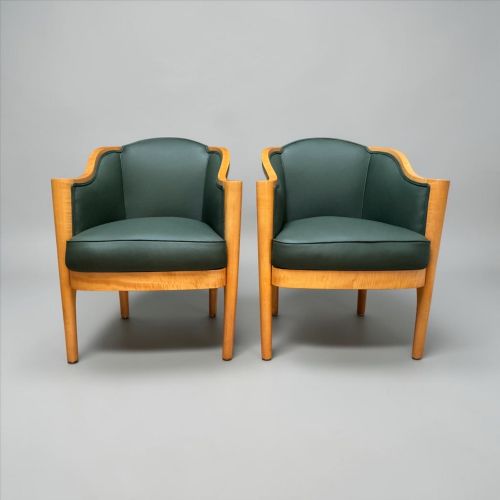
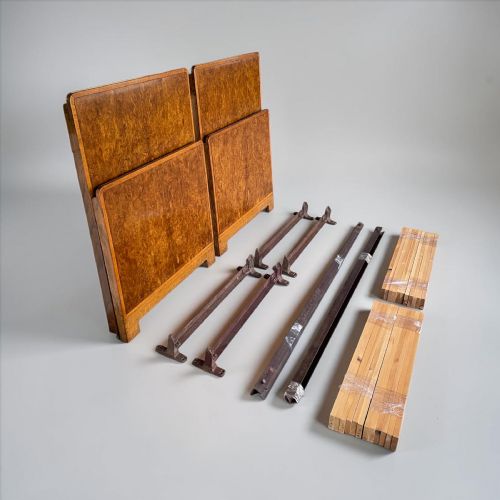
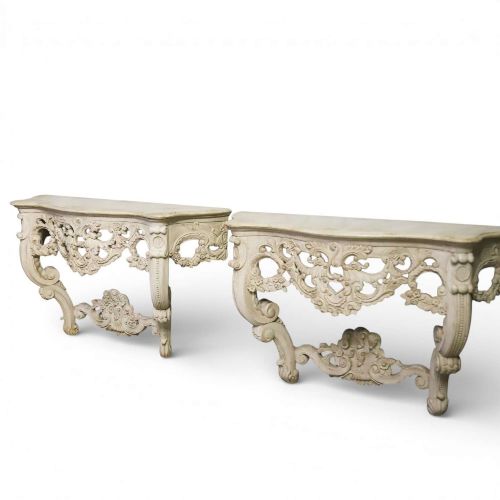
Beyond bedside storage, matching sets encompass seating options such as armchairs, side chairs, and occasional chairs, alongside larger items like single beds, bookcases, and console tables. The forms reflect the stylistic shifts of the era, moving between traditional revival aesthetics and modernist geometry.
Materials and construction
Makers utilised a rich palette of timbers, pairing structural foundational woods like oak and mahogany with decorative veneers such as walnut, satinwood, bird's-eye maple, and burr elm. Cabinetry relies on precise veneering techniques to display the natural grain patterns across matched drawer fronts and cabinet doors.
Surface treatments range from polished wood finishes to hand-carved details and antique white paint, occasionally incorporating brass hardware, leather upholstery, or cast iron elements. Construction methods combine traditional joinery with the streamlined geometric framing typical of the interwar decades.
1930s Furniture Pair Retail Price Guide 2026
Typical asking prices for 1930s furniture pair among the pieces listed under this phrase on Sellingantiques today, from the lower quarter to the upper quarter. They describe what is for sale here now, not the wider market.
Lion mask cast iron garden armchairs bring a surprisingly fierce neoclassical bite to the otherwise sleek interwar seating lineup.
Distinctions in quality
The standard of a matched set rests upon the deliberate selection and symmetry of the wood grain across both pieces. Superior examples display mirrored veneer patterns and consistent colouration that confirm the items were constructed together from the same stock.
Design integrity and maker attribution elevate certain pairs above standard production. Pieces stamped or associated with known workshops demonstrate superior internal joinery and refined proportions compared to unbranded commercial alternatives.
Maurice Adams·Hille·Edward Barnsley·Heals·Harry and Lou Epstein
The 1930s Furniture Pair Glossary
- Art Deco
- A design style characterised by sleek geometric shapes, stylised motifs, and streamlined forms prevalent during the interwar period.
- Veneer
- A thin layer of figured wood applied over a sturdier base timber to create decorative surface patterns.
- Bedside Cabinet
- A small enclosed storage piece designed to sit adjacent to a bed, often featuring a single door or drawers.
- Occasional Chair
- A movable seat intended to supplement primary room furniture, built for light use.
- Console Table
- A wall-mounted or freestanding narrow table often placed in hallways or reception rooms.
1930s Furniture Pair: Frequently Asked Questions
What defines a 1930s furniture pair?
A 1930s furniture pair consists of two matching items, such as bedside cabinets, armchairs, or console tables, produced during the 1920s or 1930s. They share identical materials, styles, and dimensions.
These pieces were manufactured as a matched set to provide visual symmetry and balanced utility within a room.
How do I identify Art Deco pieces?
Art Deco items exhibit geometric lines, symmetrical forms, and sophisticated wood veneers like walnut, maple, or satin birch. They often feature minimal ornamentation that relies on the natural grain of the timber.
Makers working in this style moved away from heavy Victorian ornamentation in favour of streamlined, modern silhouettes.
Are bedside cabinets and tables different?
Bedside cabinets generally feature enclosed storage with doors or drawers to keep items hidden. Bedside tables may offer open shelving or simpler tiered surfaces without doors.
Both forms served the same domestic purpose beside a single or double bed during the period.
How should I care for veneered wood?
Veneered surfaces require protection from direct sunlight and excessive moisture to prevent warping or fading of the delicate grain. Regular dusting with a soft, dry cloth preserves the polished finish.
Avoid placing hot items or liquids directly onto the wood without protective coasters.